Advertisement
How to track daily spending without using complicated mobile apps
19th May, 2026 07:47 AM
Many people want to keep track of their money but often feel overwhelmed by budgeting apps filled with charts, notifications, and technical features they barely use. While financial technology has made money management easier for some, many Kenyans still prefer simple methods that fit naturally into their daily routines.
Tracking daily spending does not have to involve downloading complex applications or learning new systems. Sometimes, the simplest habits are the most effective when it comes to understanding where your money goes.
As financial literacy experts often say, “What gets tracked gets managed.” That simple principle explains why keeping an eye on daily expenses can make a big difference over time. Consistent monitoring of spending helps households make informed decisions and avoid unnecessary debt.
Write down every expense
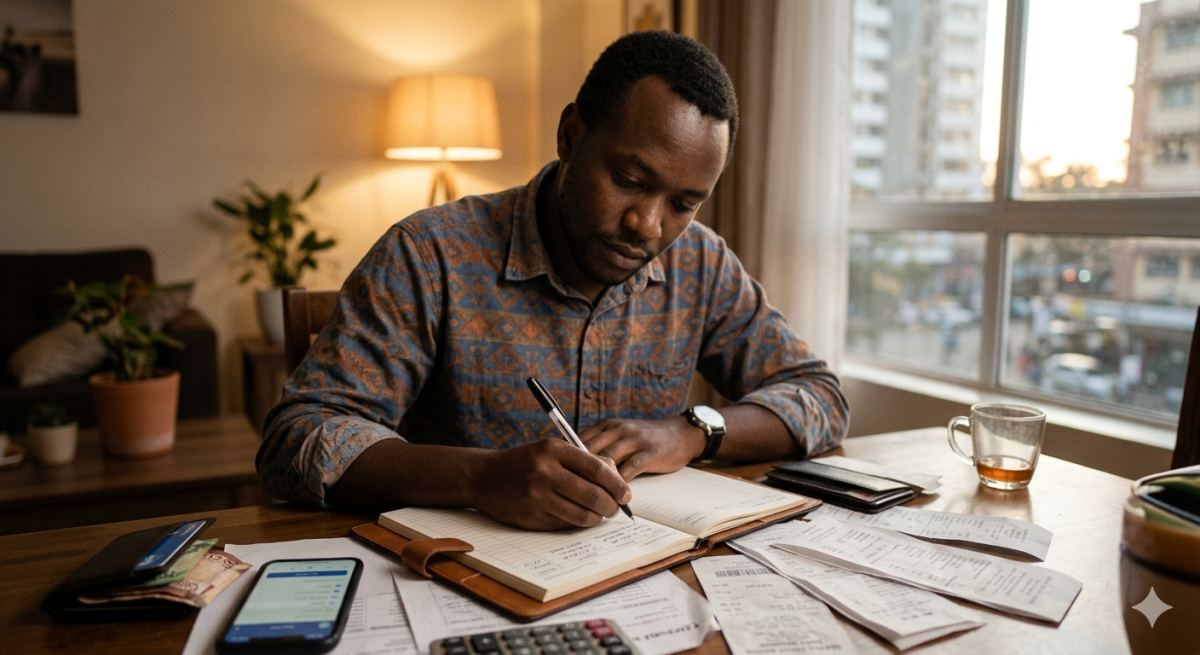
One of the easiest ways to track spending is by keeping a small notebook or using the notes section on a basic phone. Every time money leaves your pocket, whether for bus fare, lunch, airtime, or shopping, write it down immediately. It may seem unnecessary at first, but after a week, patterns begin to appear.
Many people are often surprised by how much goes into small daily purchases such as snacks, mobile data bundles, or quick online deliveries. These are the expenses that quietly eat into monthly income.
The Kenya Bankers Association has previously encouraged simple record-keeping as a practical first step toward stronger personal financial discipline.
Use the envelope method
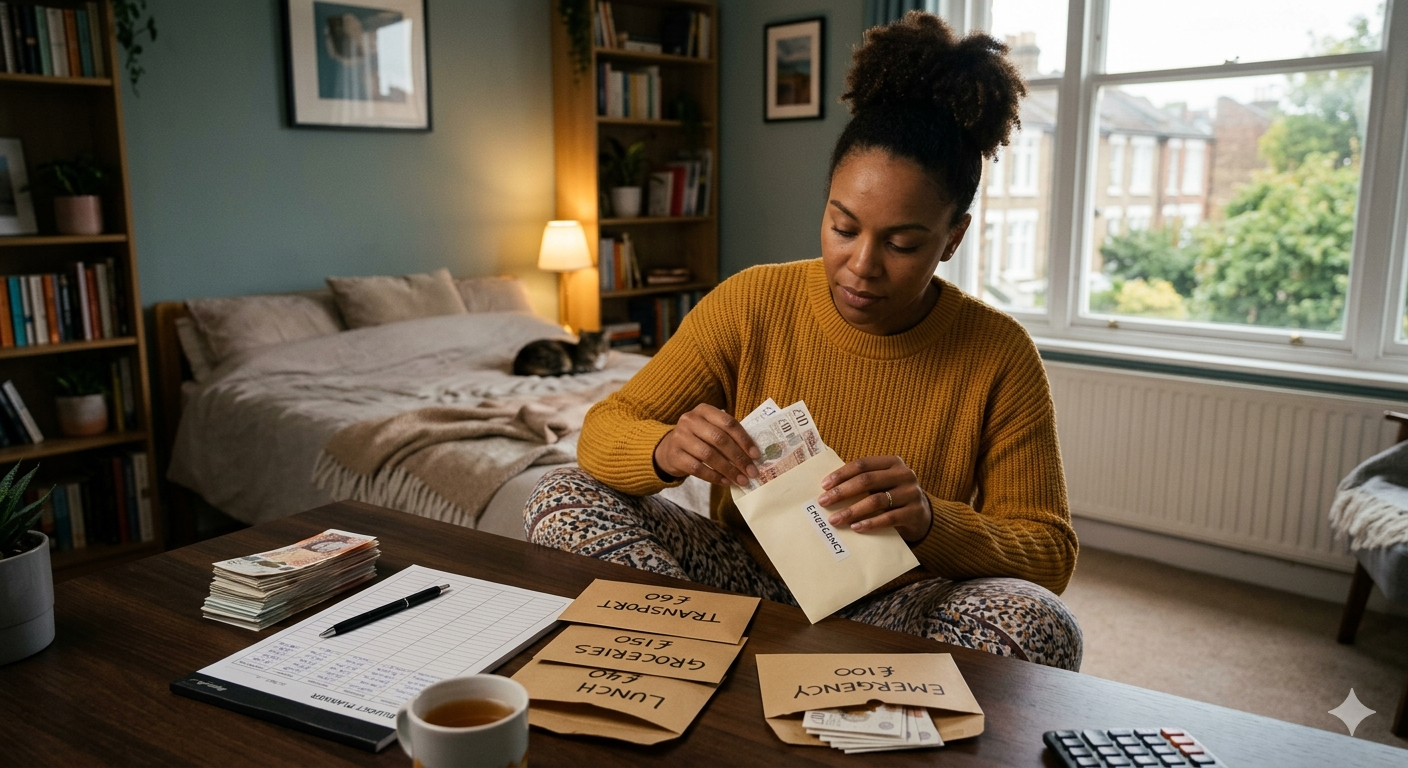
This old-school budgeting method remains useful because of its simplicity. Set aside physical cash for specific categories such as transport, groceries, lunch, and emergencies. Place each amount in separate labelled envelopes.
Once the money in one envelope is finished, that category is done until the next allocation period. This approach creates visible spending limits and reduces impulse purchases. It also works well for people who find digital transactions harder to track.
Review your M-Pesa messages daily
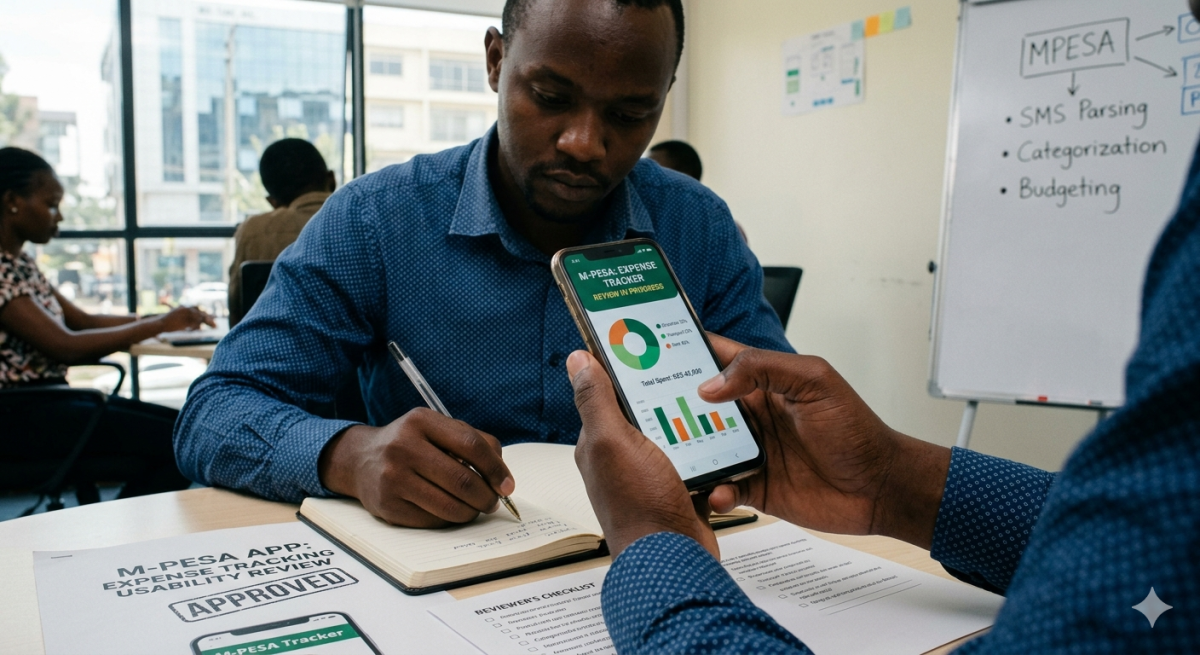
For many Kenyans, most daily spending happens through mobile money. Instead of ignoring transaction notifications, make it a habit to review your M-Pesa messages every evening. Check how much was spent, where it went, and whether each transaction was necessary.
A quick five-minute review can help identify habits that need adjustment. Regularly checking transaction history can improve awareness and accountability in personal spending.
Create a daily spending limit
Setting a realistic daily cap can help control overspending. For example, if your weekly flexible spending budget is Sh3,500, divide it into daily limits. Knowing you have a specific amount for the day encourages more thoughtful choices.
This method works especially well for students and young professionals balancing multiple expenses.
Look back and adjust
At the end of each week, review your notes, receipts, or transaction messages. Ask yourself: Which expenses were necessary? Which could have been avoided?
This small weekly habit builds financial awareness and helps shape smarter spending choices over time. Tracking money does not need complicated tools. Often, consistency with simple methods is enough to build healthier financial habits and greater control over personal finances.