Advertisement
Why Makuti is becoming the roof of choice for modern home design
25th May, 2026 08:53 PM

Makuti roofing, the iconic thatched palm-leaf roof deeply rooted in Kenya’s coastal Swahili architecture, is experiencing a strong revival across Kenya.
Once associated mainly with rural homes and beach bandas, it is now emerging as a premium choice for architects, developers, and homeowners seeking sustainability, comfort, and architectural identity.
What was once considered traditional is now being redefined as modern luxury.
One of the key reasons behind this comeback is its natural cooling ability. The tightly layered dried coconut palm leaves act as effective insulation by allowing airflow while reducing heat penetration.
Unlike iron sheets that trap heat and turn homes into ovens, makuti keeps indoor spaces significantly cooler by up to 5–8°C, reducing the need for air conditioning and lowering energy costs.
This makes it especially suitable for coastal, lakeside, and hot inland regions.
Sustainability and eco appeal
Makuti also aligns strongly with the growing demand for sustainable construction.
It is harvested from naturally fallen or pruned palm fronds without harming trees, making it a renewable material with a low environmental footprint compared to metal or concrete roofing.
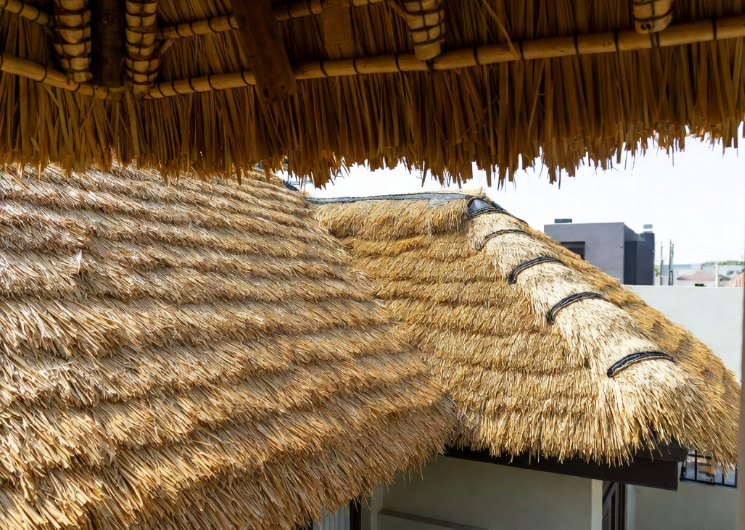
It is also biodegradable at the end of its life cycle, which makes it attractive in an era where green building standards and climate-conscious design are becoming more important in 2026.
Blending tradition with modern design
Modern architects are now blending makuti with contemporary design elements, creating a striking fusion of tradition and modernity.
It is being used alongside minimalist structures with clean lines, large glass windows, and combinations of stone, wood, and steel.
This has made it popular in luxury villas, boutique hotels, eco-lodges, and high-end homes across Kenya and beyond.
The warm golden-brown texture of makuti adds a natural, tropical character that industrial materials cannot replicate, giving homes a strong sense of place and identity.
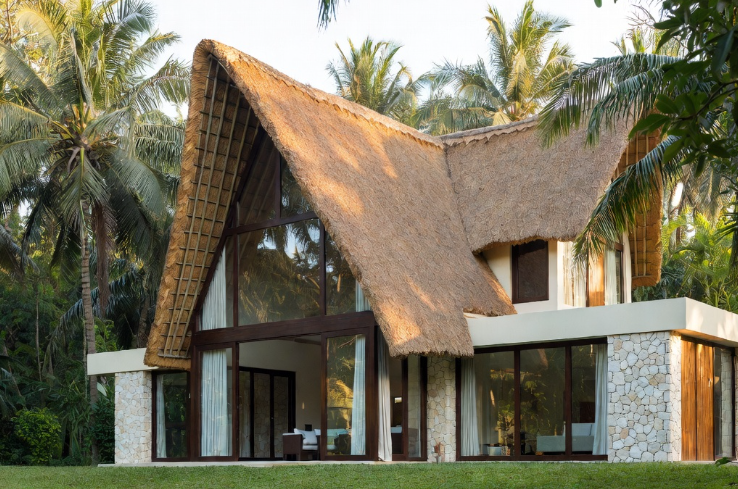
Although rooted in tradition, makuti roofing has also benefited from modern innovations that improve durability and performance.
While traditional installations can last 15–20 years with proper maintenance, today’s designs often include waterproof underlays, fire-retardant treatments, and even synthetic makuti alternatives that extend lifespan and reduce maintenance costs, making it viable even for high-value properties.
Cultural identity and prestige
Beyond function and design, makuti is also gaining cultural and symbolic value. It is increasingly seen as a statement of heritage and pride rather than something outdated.
In a landscape dominated by uniform iron-roofed estates, makuti offers uniqueness and authenticity, which many homeowners and developers now view as a form of prestige.
Author
William Muthama
William Muthama is a digital journalist with a focus on entertainment, human interest, and current affairs. Share stories: [email protected]/ [email protected]
View all posts by William Muthama