Advertisement
Open spaces revolution: How broken floor plans are changing home design
27th April, 2026 09:20 PM
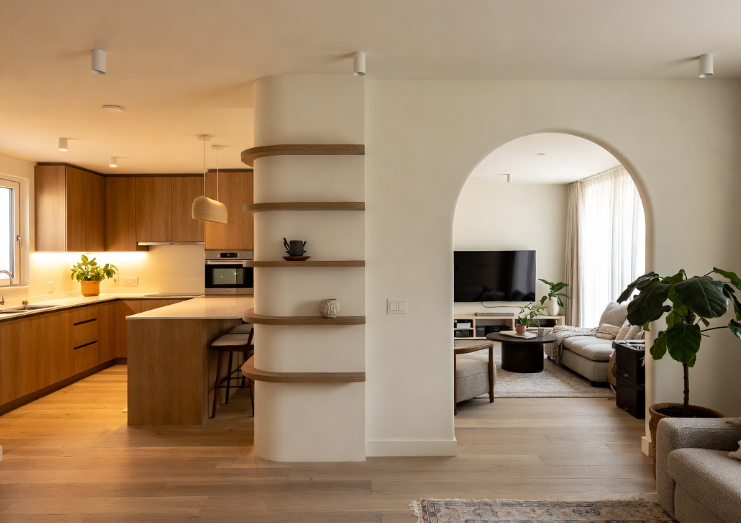
The long- era of completely open-concept homes is undergoing a quiet but significant transformation.
Designers and homeowners are increasingly embracing broken floor plans, a smarter hybrid approach that maintains openness while introducing divisions for better functionality, privacy, and comfort.
This shift marks a new chapter in residential design, moving away from vast, wall-free spaces toward more intentional and livable layouts.
Broken floor plans preserve the light, flow, and social connection that made open concepts so popular, but they introduce architectural features that define spaces without fully closing them off.
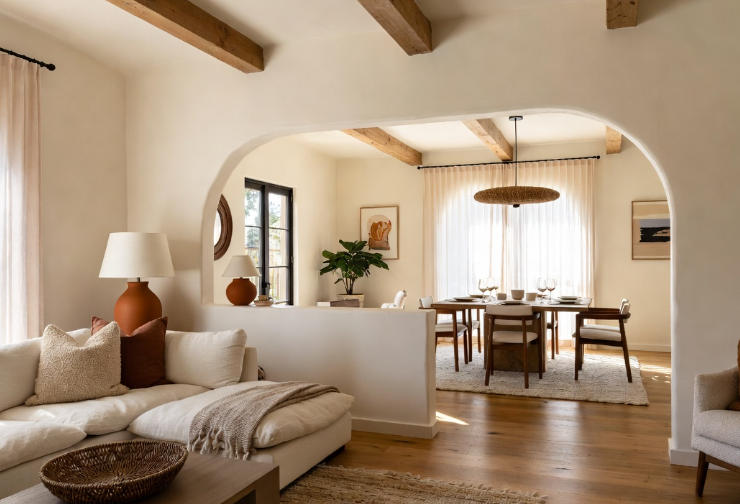
Half walls, wide arches, changes in ceiling height, built-in shelving, sliding panels, and textured screens are now being used to gently separate living, dining, kitchen, and working areas.
The result is a home that feels connected, yet still offers pockets of privacy and purpose.
Lessons from open living
The shift is largely driven by lessons learned during the open-concept boom. While open spaces looked visually appealing, many homeowners began to notice practical challenges.
Noise travels easily from one end of the house to another, making it harder to concentrate, rest, or hold private conversations.
Large, echoing rooms can feel impersonal, and arranging furniture in a meaningful way often becomes difficult.
With remote work and multi-generational living becoming more common, the demand for flexible yet defined spaces has grown stronger.
Broken floor plans respond to these challenges in a more balanced way.
A low wall, for example, can separate the kitchen from the living area while still allowing conversation and visual connection.
Slight shifts in floor levels or ceiling height can also signal transitions between spaces, making homes feel more structured without losing openness.
These divisions also improve acoustics, creating calmer environments that suit both work and family life.
Personalised living spaces
Beyond functionality, the design approach also opens room for creativity. Homeowners can now assign different moods to different zones: a quiet reading corner, a lively entertainment space, or a focused workspace, all within one flowing layout.
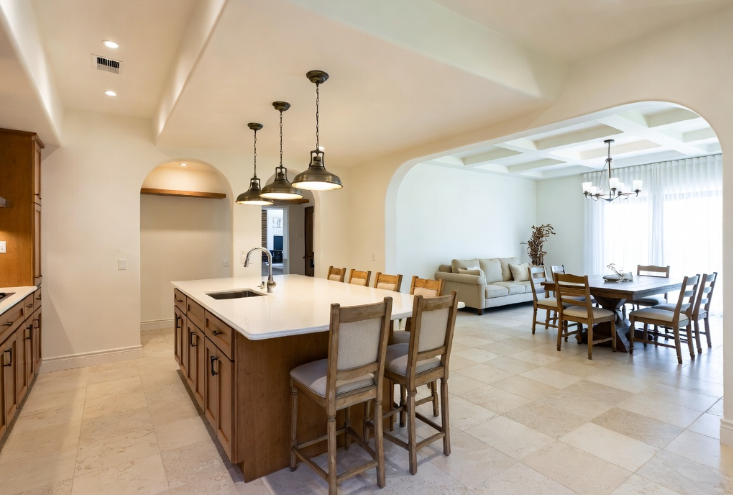
Materials like warm woods, textured fabrics, soft neutrals, and layered lighting are often used to enhance these distinct areas while keeping the overall home cohesive.
This evolution reflects a broader lifestyle change: people want openness, but not chaos; connection, but not constant noise.
As a result, architects and interior designers are increasingly predicting that broken and semi-open layouts will define the next phase of residential design.
Author
William Muthama
William Muthama is a digital journalist with a focus on entertainment, human interest, and current affairs. Share stories: [email protected]/ [email protected]
View all posts by William Muthama