Advertisement
Mkeka wa Mbao flooring: How modern designs are reshaping traditional wooden aesthetics
05th May, 2026 08:22 PM
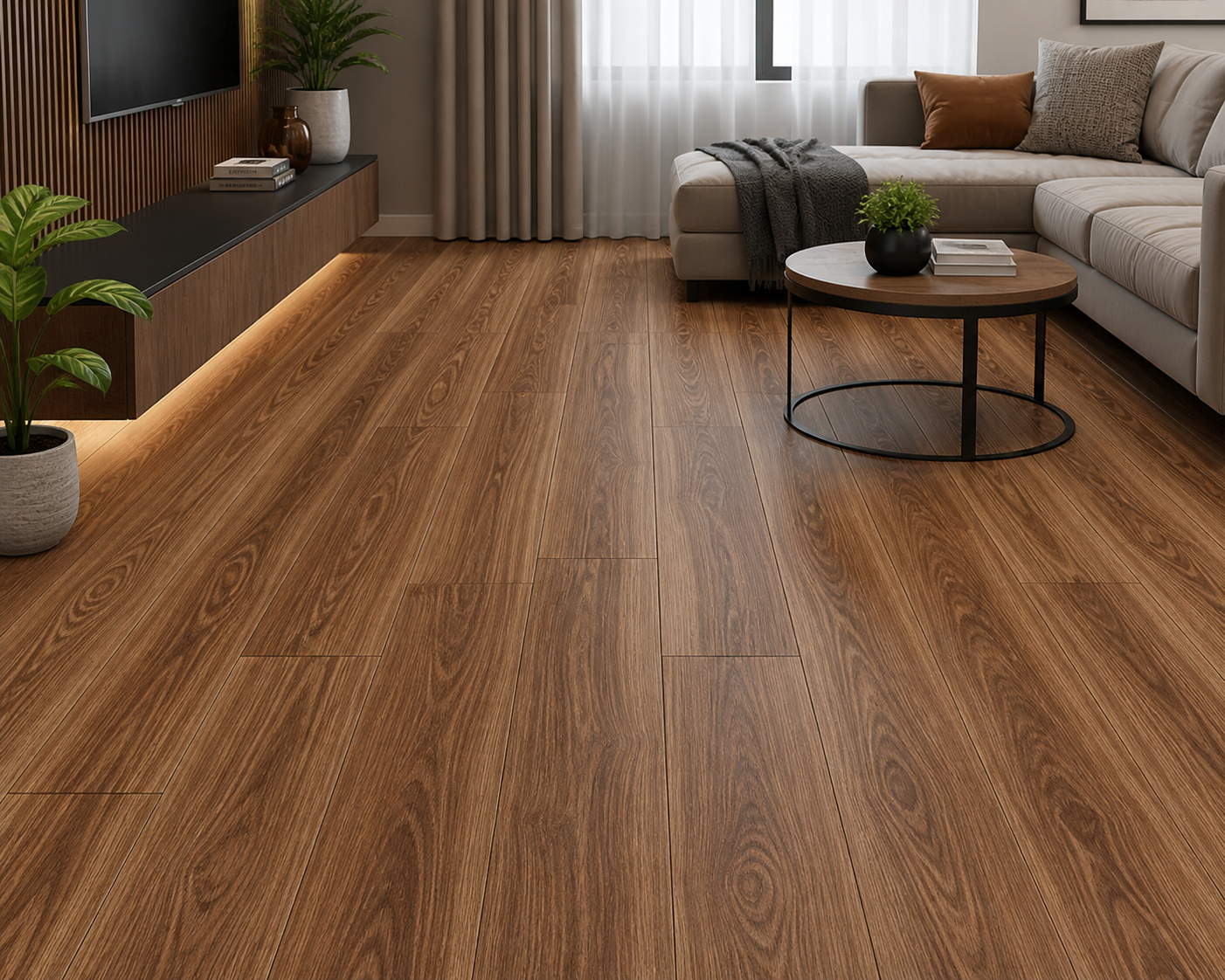
In many Kenyan homes, the phrase mkeka wa mbao has taken on a new meaning.
What once referred to actual wooden or bamboo-style flooring in older homes has now evolved into something more modern, a stylish floor covering that imitates the look of wood but is made from materials like vinyl or laminate.
Today, mkeka wa mbao flooring is no longer about real timber laid across the house. Instead, it refers to wood-look flooring, often affordable, easy to install, and designed to bring that warm wooden finish into modern homes without the high cost of hardwood.
For many people, especially in urban areas like Nairobi, this flooring has become a practical solution.
It gives homes the classic wooden feel, the brown tones, the grain patterns, and the homely warmth, without the challenges that come with real wood, such as high maintenance, water damage, or expensive installation.
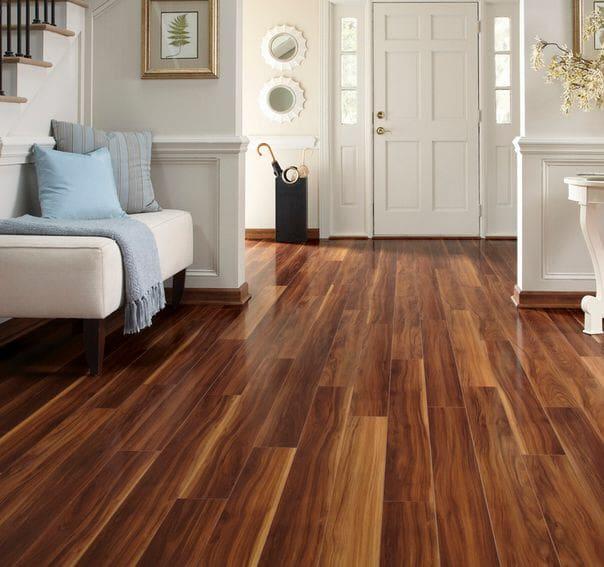
More than a design
This shift is not just about design. It reflects how Kenyan living spaces are changing.
Additionally, with more people moving into apartments and rental units, there is a growing demand for interiors that are both beautiful and practical. Mkeka wa mbao flooring fits right into that space, simple, stylish, and budget-friendly.
For many homeowners, there is also a sense of nostalgia attached to it. The wood-like finish reminds some of older rural homes where real wooden floors or natural mats were common. It brings a touch of that past into modern living spaces, even if the material itself has changed.
At the same time, this evolution shows how Kenyan design culture is adapting. Tradition is not being erased; it is being reinterpreted. Mkeka wa mbao flooring represents that balance between memory and modernity, between what was once purely natural and what is now shaped by convenience and innovation.
In the end, it is more than just flooring. It is a reflection of how Kenyan homes continue to evolve while still holding on to familiar textures, warmth, and identity.
Advantages
Mkeka wa Mbao flooring is popular because it is affordable and budget-friendly, making it a practical choice for many households and rental homes. It is also comfortable underfoot, offering a soft, warm surface that feels better than cold tiles, especially in cooler weather.
Another major benefit is that it is easy and quick to install, often requiring less labour compared to other flooring types. It also comes in attractive wood-like designs, giving homes a modern wooden finish without the high cost of real timber.
In addition, Mkeka wa Mbao is easy to clean and maintain, usually requiring only simple sweeping and mopping to keep it looking good. It can also help with noise reduction, making rooms quieter and more comfortable to live in.
Disadvantages
Despite its benefits, Mkeka wa Mbao flooring has several limitations. One of the main drawbacks is that it is sensitive to moisture, especially when water gets underneath it, which can lead to bubbling, lifting, or discolouration.
It also requires a very smooth and properly prepared surface before installation; otherwise, imperfections on the floor may show through. In terms of durability, it is not as long-lasting as tiles or hardwood, and it may wear out faster in high-traffic areas.
Additionally, the surface can scratch or tear easily when exposed to sharp objects or heavy furniture. It also performs poorly in cases of flooding or excessive water exposure, as the flooring may need to be removed and reinstalled once damaged.