Advertisement
What your tap water pressure tells you about your apartment
27th August, 2026 12:54 PM
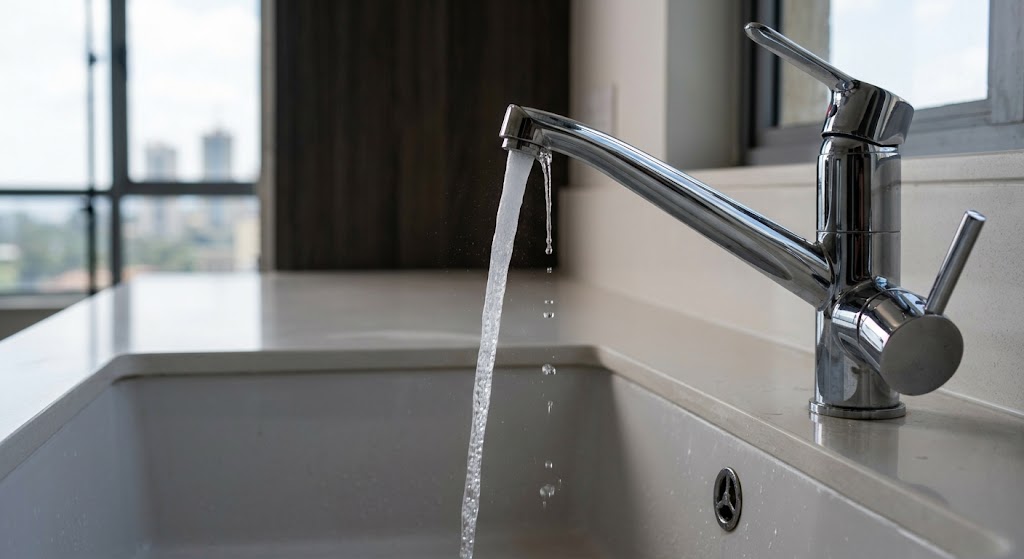
Moving into a new flat or settling into a home usually involves checking the sockets, the locks, and the view.
Yet, few tenants ever pay attention to the tap water pressure until something goes wrong. That sudden drop in flow or the aggressive blast from your kitchen sink tells a compelling story about the building infrastructure.
Learning to read these plumbing signs saves you from messy surprises and unexpected expenses.
When your taps start trickling instead of flowing, the issue often points to the building system rather than a general county water shortage.
Low pressure usually indicates a partially closed main valve, a buildup of limescale inside older galvanised pipes, or a struggling booster pump on the ground floor.
Because Nairobi buildings rely heavily on overhead tanks and booster pumps to push water to upper floors, mechanical wear happens frequently.
When sediment narrows the internal diameter of the pipes, friction increases, reducing the volume of water reaching your bathroom.
Reading the signs before your plumbing fails
Fluctuating pressure is another common warning sign. If your shower alternates between a weak drizzle and a heavy splash within minutes, your building likely has an unstable municipal supply or a failing pressure-regulating valve.
Landlords and caretakers often ignore these minor fluctuations until a pipe joint gives way under pressure. Catching these changes early allows management to service the pumps or clean out clogged filters before an emergency repair disrupts your entire block.
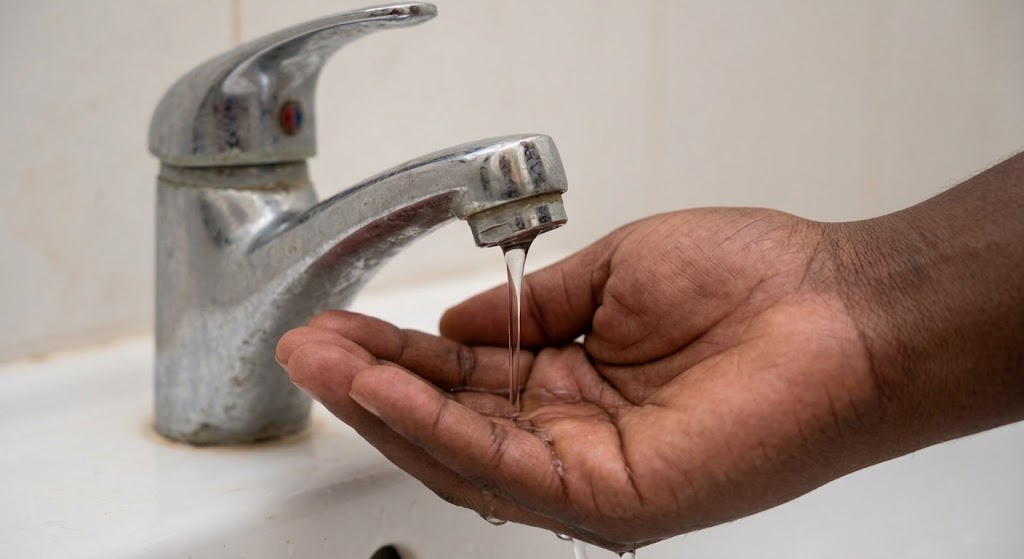
On the opposite end, extremely high pressure brings its own set of dangers. If turning off your kitchen tap produces a loud bang, your plumbing is experiencing hydraulic shock.
This happens when fast moving water stops abruptly, sending intense shockwaves through the installation.
Academic literature notes that “water hammer is a pressure change caused by a variation of the flow rate in a pipe or tube”, which gradually weakens pipe fittings and damages appliance connectors.
Without a working pressure-reducing valve to absorb these surges, joints crack and water heaters leak.
Dealing with hidden risks and high bills
Ignoring these pressure abnormalities can inflate your utility bills and damage appliances like washing machines. If your water heater or washing machine inlet valve constantly battles aggressive surges or starvation, its lifespan drops significantly.
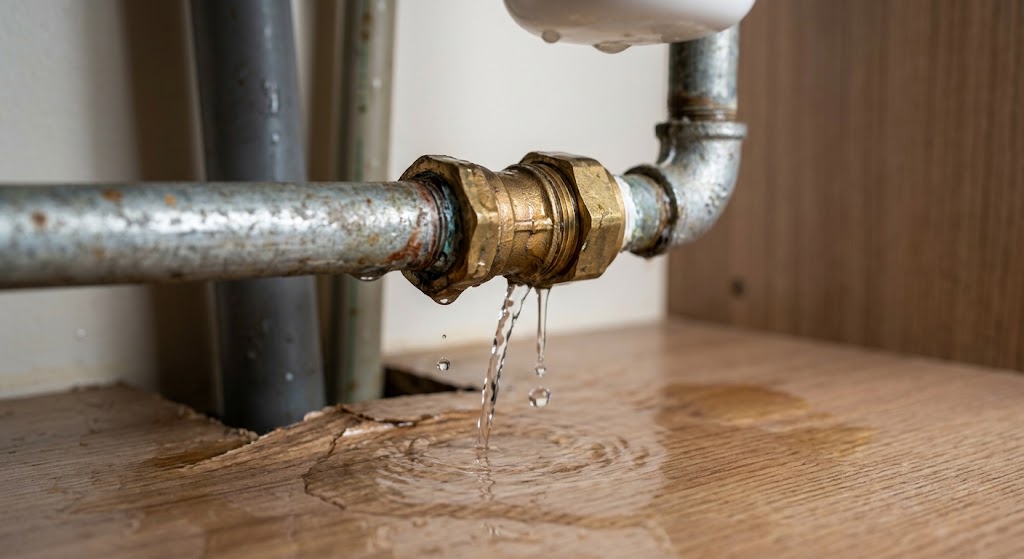
Tenants have every right to request plumbing inspections from landlords when flow rates become erratic.
Checking your water pressure takes very little effort. Open your bathroom and kitchen taps fully to observe the flow rate. If the stream sputters or feels abnormally aggressive, notify building management immediately.
This heightened awareness transforms you from a stressed tenant into an informed resident who protects both property and peace of mind.