Advertisement
How drying clothes in dark apartment corridors puts you at risk of skin infections
14th August, 2026 06:16 AM
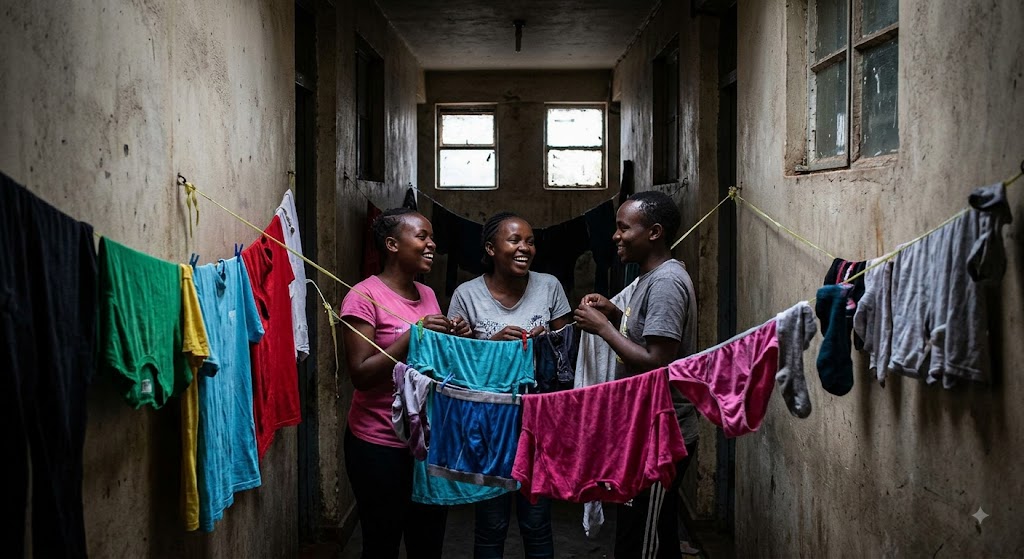
Living in a compact urban apartment or bedsitter often comes with a familiar routine: washing clothes and squeezing them onto a shared line inside a dim hallway.
Sunlight is rare, space is tight, and laundry takes all day to dry. However, this common setup creates a hidden biological problem that explains unexplained skin rashes and persistent body itching.
How dark corridors spread fungal spores
When laundry dries slowly in windowless, poorly ventilated corridors, moisture remains trapped in fabric fibres for extended periods.
This damp environment offers ideal conditions for Trichophyton species, a group of fungi responsible for skin issues like ringworm, jock itch, and athlete’s foot. When wet garments touch along a crowded line, microscopic spores easily move from one piece of clothing to another through cross-contamination.
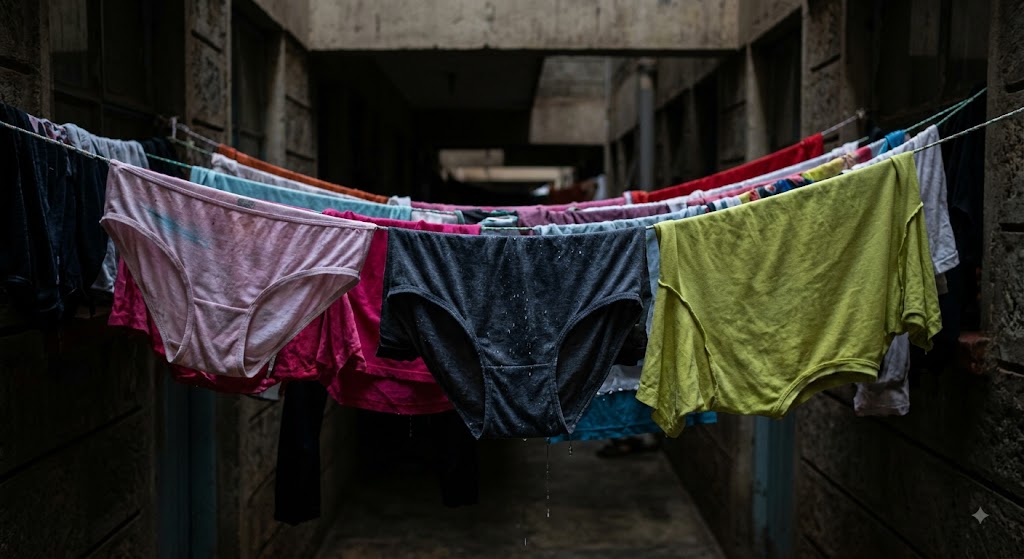
Peer-reviewed research highlights how indoor laundry setups help spread these organisms. Scholars noted that “the warm environment and presence of desquamated keratinocytes provides for ideal growing conditions for fungi.”
Dead skin cells shed onto clothing give the spores the exact nutrient source they need to survive. In stagnant hallway air, damp trousers, t-shirts, and underwear end up harbouring active fungal colonies long after they feel dry to the touch.
Ironing out the hidden risk
Wearing clothes contaminated with Trichophyton triggers subtle skin irritation, particularly along waistbands, underarms, and inner thighs where fabric rubs against warm skin. Cold-water hand washing removes visible dirt, but standard washing fails to eliminate these resilient spores.
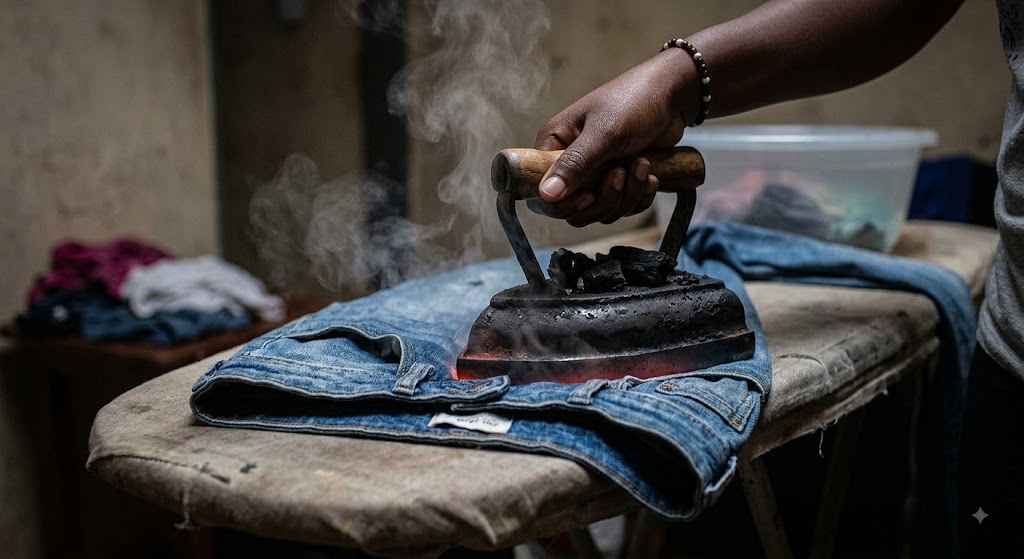
Fortunately, solving this everyday problem does not require expensive anti-fungal soaps. Direct heat and sunlight remain the best remedies. Hanging clothes in direct outdoor sunlight uses natural ultraviolet rays to break down fungal cells.
For tenants living in high-rise apartments without balcony access, ironing offers an immediate fix.
Pressing damp seam folds with a hot iron applies concentrated heat that kills residual microbes on contact. Paying special attention to thick waistbands and inner seams destroys lingering fungal spores before clothes are folded and stored.
Taking a few extra minutes to iron damp seams protects skin and maintains good personal hygiene in shared spaces.