Advertisement
5 things to budget for when relocating
14th September, 2026 08:27 PM

Relocating to a new house, neighbourhood or town can be exciting, especially when it comes with a new job, better opportunities or a fresh start.
However, moving can also be more expensive than many people expect. While most people plan for rent and transport, there are several other costs that can quickly add up and put pressure on a household budget.
Planning ahead can help make the move less stressful and reduce unexpected expenses.
Here are five things to include in your relocation budget.
1. Rent, deposit and agency fees
One of the biggest expenses when moving is securing a new house.
In many cases, tenants may need to pay rent in advance as well as a security deposit. Some people may also pay agency or viewing fees depending on the arrangement.
Before committing to a house, ask about all payments required so that you can calculate the total cost and avoid surprises.
2. Transport and moving costs
Moving furniture, household items and personal belongings can be costly, especially when relocating over a long distance.
Costs may include hiring a moving truck, paying for fuel, hiring people to help with loading and unloading or using public transport for smaller items.
Comparing transport options in advance can help you find a more affordable solution.

3. Household essentials
A new home often requires items that people may overlook during budgeting.
These can include curtains, cleaning supplies, kitchen items, storage containers, bedding, extension cables and basic repairs.
Even if you already own furniture, there may still be small purchases needed to make the new house comfortable.
4. Utility and connection costs
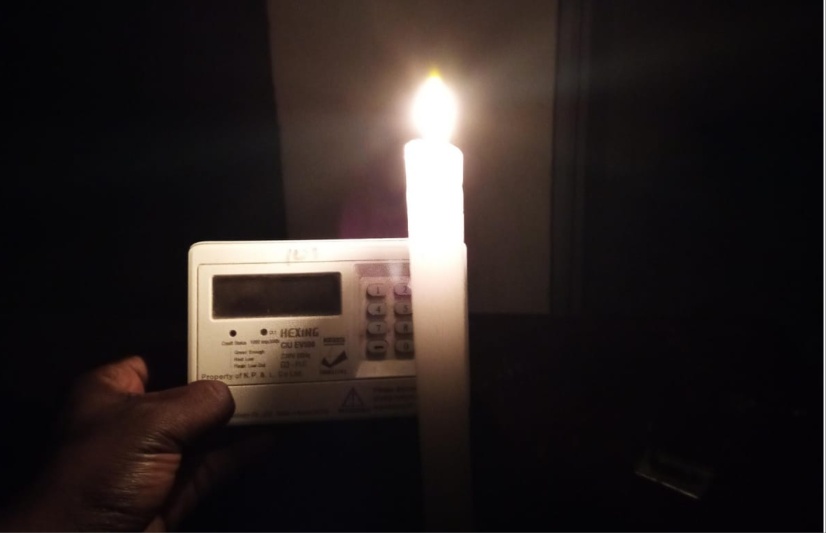
Moving into a new place may come with extra costs such as electricity tokens, water deposits, internet installation or gas refills.
Some neighbourhoods may also have service charges or parking fees that affect monthly expenses.
Understanding these costs early can help you prepare your budget more accurately.
5. Emergency expenses
Unexpected costs are common during relocation.
You may need extra transport, small repairs, replacement items or money for temporary accommodation if plans change.
Setting aside an emergency fund can help you deal with these surprises without affecting your daily expenses.
Relocating is more than simply moving from one house to another. It often involves many small costs that can add up quickly. A realistic budget can make the transition smoother and help you settle into your new home with less financial stress.