Advertisement
How to get rid of mould in rental apartment without causing damage
10th June, 2026 06:16 PM
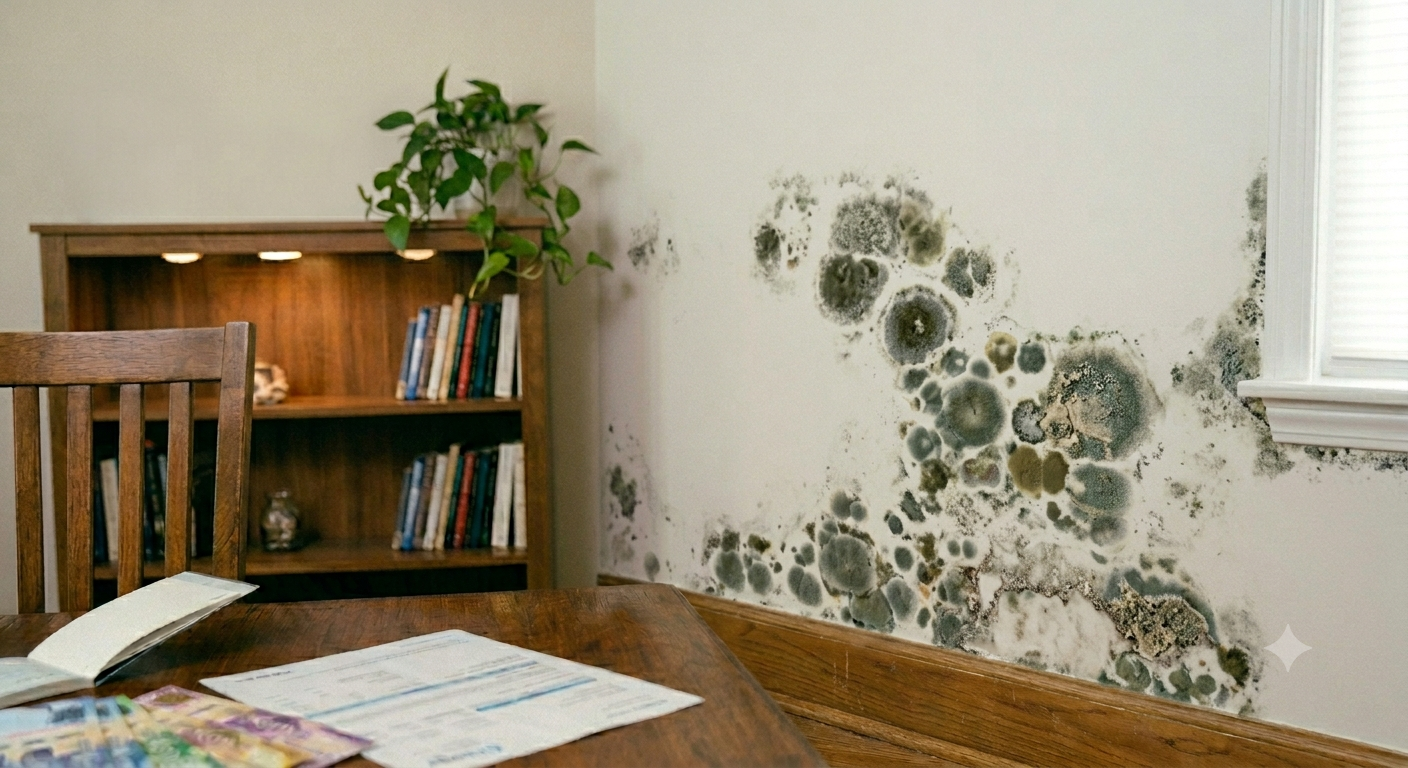
Mould is a common problem in many rental homes in Kenya, especially during the rainy season or in houses with poor ventilation.
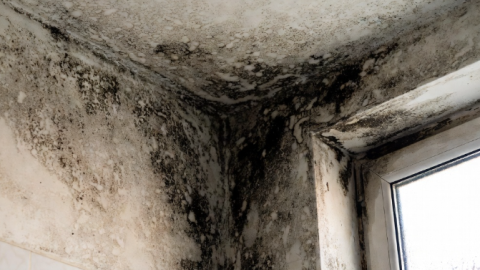
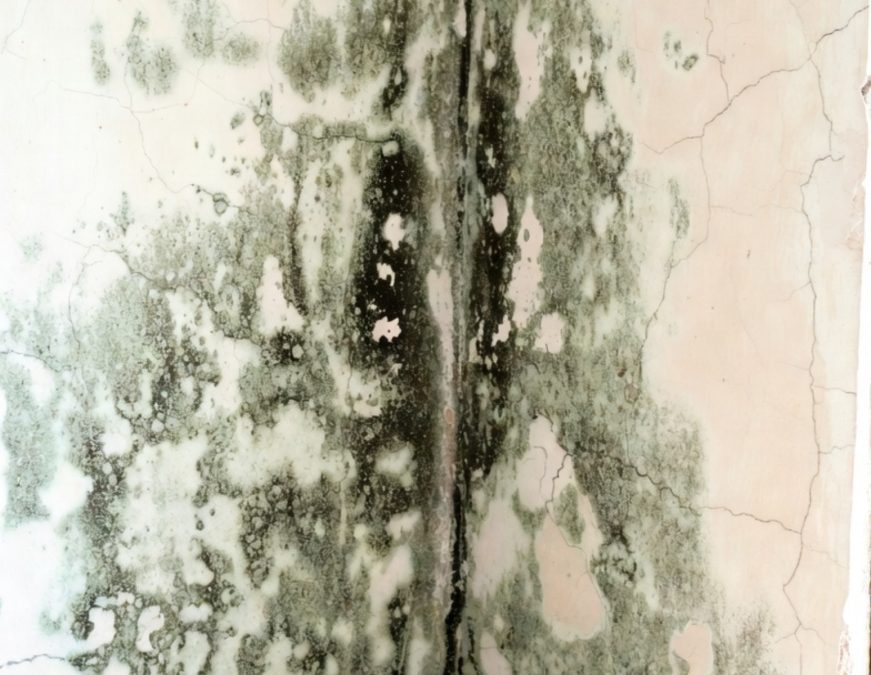
It often appears as black, green or white patches on walls, ceilings, bathrooms and around windows. Besides making a home look untidy, mould can affect your health and damage household items if left untreated.
For tenants, the challenge is getting rid of mould without damaging walls, paint or fixtures. Fortunately, there are safe and effective ways to remove it while keeping the property in good condition.
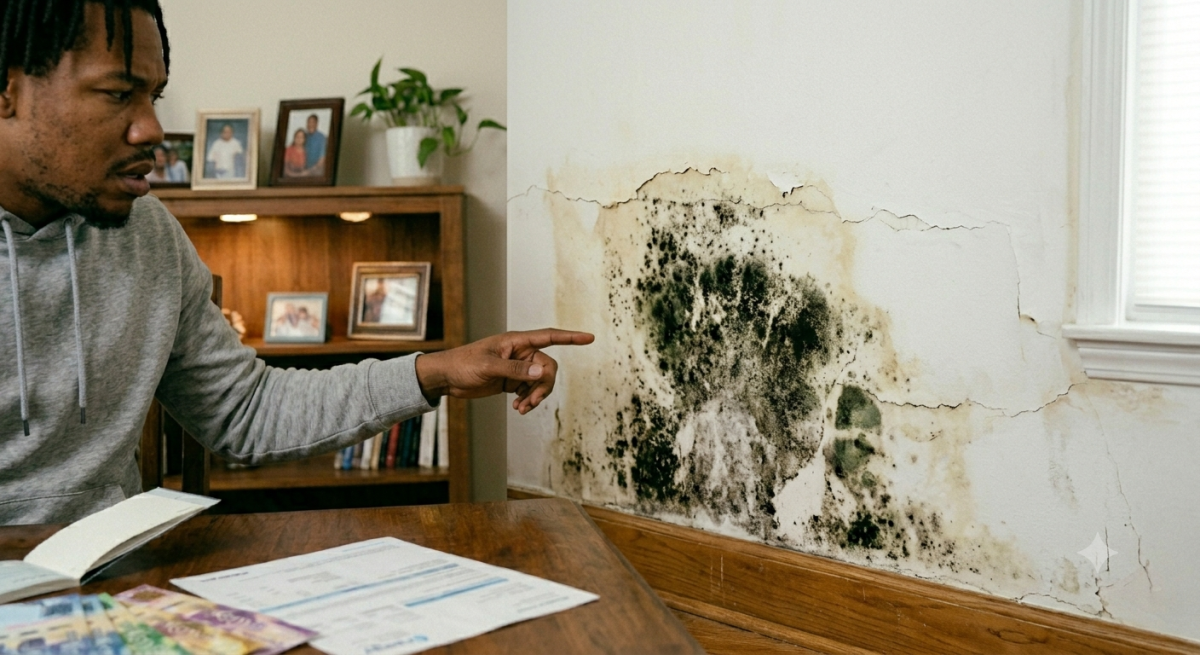
It is worth noting, before cleaning mould, put on gloves and a face mask to avoid inhaling mould spores.
Open windows and doors to improve ventilation while you work.
Here are some of the safe mould removal methods for tenants.
- Use white vinegar
White vinegar is one of the safest and most effective natural mould removers.
How to use: pour undiluted white vinegar into a spray bottle, then spray the affected area thoroughly.
Leave it for about one hour and wipe the surface with a damp cloth.
Vinegar kills many types of mould without damaging painted surfaces.
- Clean with baking soda
Baking soda helps remove mould and neutralise unpleasant odours.
How to use: mix one teaspoon of baking soda with water in a spray bottle, then spray the mouldy area.
After that, gently scrub using a soft sponge or cloth and wipe clean and allow the area to dry.
- Dry the area thoroughly
Mould thrives in moisture. After cleaning, ensure the area dries completely by opening windows, using a fan or allowing sunlight into the room.
Dos and Don’ts
Additionally, avoid harsh cleaning tools such as metal brushes, knives and abrasive scrubbers, which can scratch surfaces and peel paint.
Use a soft brush, sponge or microfibre cloth instead.
If mould keeps returning despite cleaning, the problem could be caused by a leaking roof, faulty plumbing or structural dampness.
Report the issue to your landlord or property manager so that repairs can be carried out.
What causes mould in a house?
Mould grows in damp environments and can spread quickly if moisture is not controlled.
Common causes include leaking roofs, pipes or taps, poor ventilation in bathrooms and kitchens, drying clothes indoors without proper airflow and condensation on windows and walls.
Also water damage caused by floods or heavy rains, rooms that receive little sunlight, as well as furniture placed tightly against walls, trapping moisture.
Mould is commonly found in bathrooms, kitchens, bedrooms, behind wardrobes, under sinks and around windows.
Health risks associated with mould
While mould may start as a small patch, prolonged exposure can affect your health.
Common health effects include sneezing and coughing, runny or blocked nose, eye irritation, skin rashes, wheezing and breathing difficulties, and worsening asthma symptoms as well as headaches in some individuals.
Children, older adults and people with allergies or respiratory conditions are generally more vulnerable to mould-related health problems.
How to prevent mould from returning
Once the mould has been removed, taking preventive measures can help stop it from coming back.
First, open windows regularly to improve airflow and use bathroom and kitchen vents where available.
Avoid drying clothes indoors whenever possible, wipe away condensation from windows and walls, repair leaks as soon as they are noticed, leave a small gap between furniture and walls and keep rooms dry during wet and cold weather.
Mould can be frustrating, but it does not have to become a permanent problem in your rented apartment.
Using gentle cleaning solutions such as vinegar and baking soda can help remove mould without damaging the property. Combined with proper ventilation and moisture control, these simple steps can help keep your home cleaner, healthier and mould-free.