Advertisement
How to store leftover paint safely for future use
17th September, 2026 10:36 AM
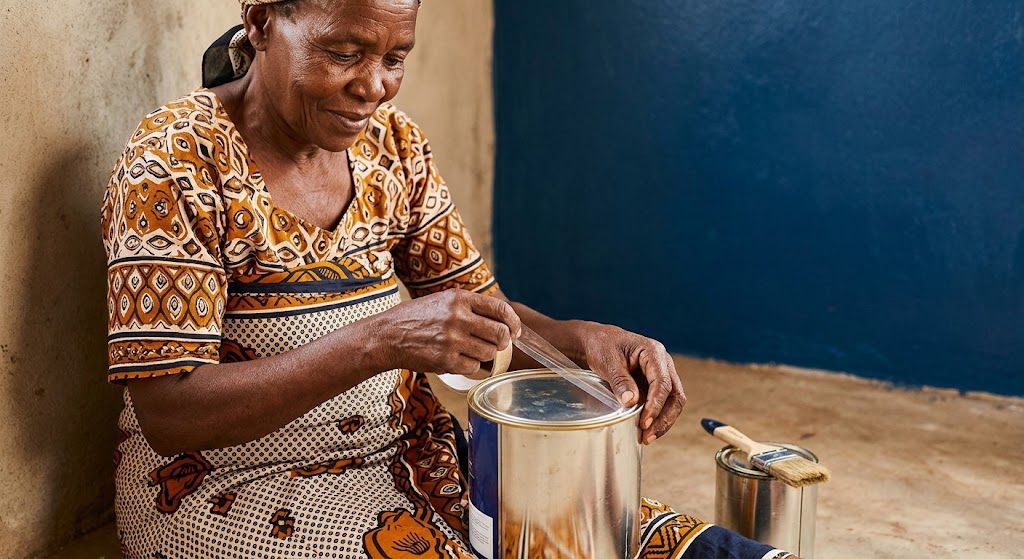
Finishing a wall painting project often leaves behind half-empty tins of paint. Instead of throwing them away or letting them dry, keeping these leftovers properly allows you to handle small wall scuffs and repair work in the future without spending extra money.
A fresh 4-litre tin of quality wall paint can cost upwards of Ksh2,500, making proper storage a crucial money-saving habit.
Paint degrades when exposed to air, extreme temperatures, and bacterial contamination. Water-based options, which dominate modern home decoration, are particularly vulnerable once opened.
According to a study on paint biodeterioration published in Biofouling, “Although water-based paint is increasingly being advocated as environmentally friendly, it is more susceptible to biodeterioration during processing, preparation, and storage.”
Once airborne bacteria enter an open container, the paint develops a foul odour, loses its consistency, and becomes unusable.
Airtight seal and clear labelling
Preventing air exposure is the most important step in saving leftover paint. Before closing the tin, wipe away all dried paint remnants from the rim groove.
Residual paint along the edges prevents the lid from sealing tightly, allowing air and moisture to seep inside.
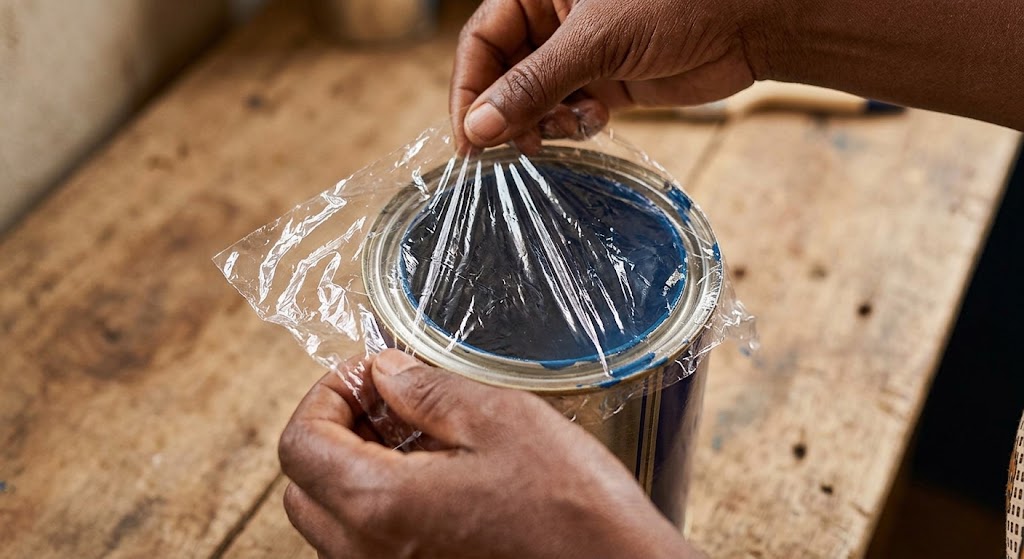
Instead of hammering the lid directly, which bends the metal lip and ruins the seal, place a piece of plastic wrap over the open top first. Press the lid firmly over the plastic using a flat wooden block to seal it evenly without denting the rim.
Labelling saves time when repairs become necessary. Use a permanent marker to write the room name, paint brand, colour name, and date of application on the tin.
Adding a small dab of the actual paint on the outside of the container makes colour matching effortless months later.
Long-term storage
Where you place the sealed tin determines how long the paint stays usable. Extreme heat speeds up chemical separation, while freezing temperatures ruin the liquid binder.
Avoid storing tins directly on bare concrete floors or inside hot iron-sheet structures where heat builds up during the day. Continuous moisture from concrete surfaces causes metal tins to rust, which spoils the contents inside.
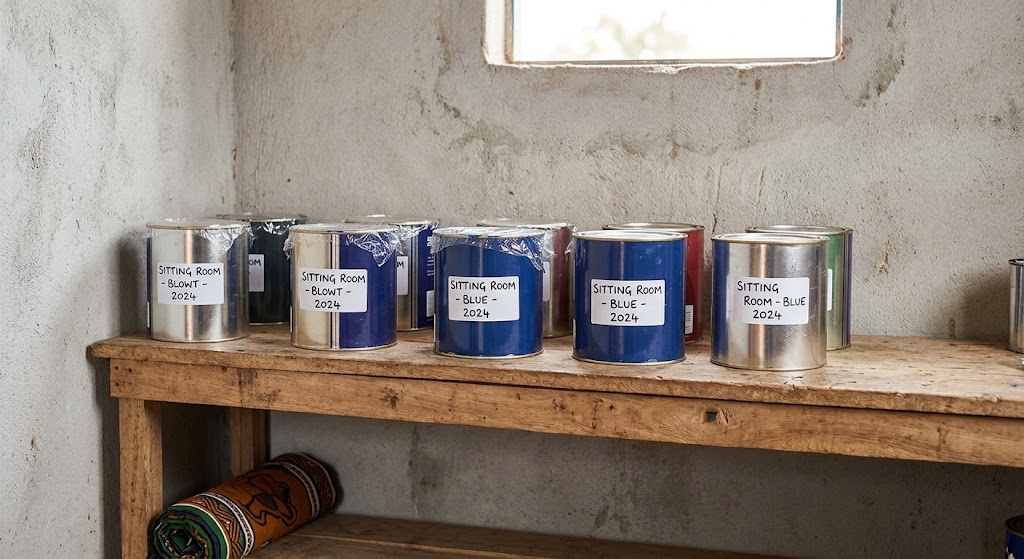
Store paint tins on a raised wooden shelf in a cool, dry area away from direct sunlight. Turning the sealed tin upside down for a few seconds immediately after closing helps seal tiny air gaps around the rim before storing it upright.
When sealed and stored correctly, water-based paints can remain usable for several years, saving you money whenever your walls need attention.