Advertisement
How wall paint colour shape the feel of your home
14th May, 2026 02:18 PM
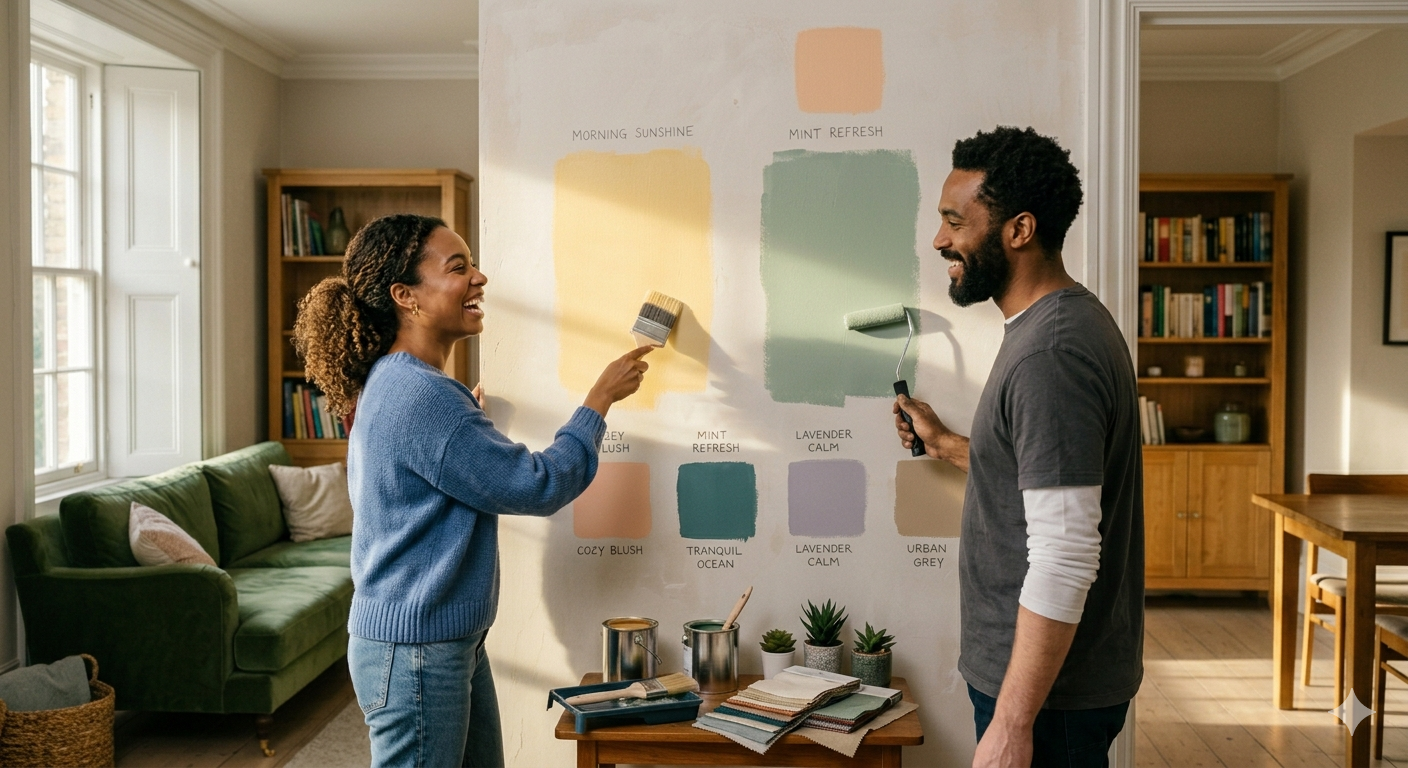
The colour of a wall does far more than improve appearance. It quietly shapes how a room feels, influences mood and affects how people interact within a space. While many homeowners choose paint based on trends or personal taste, colour experts say every shade carries a psychological effect.
Warm colours such as yellow, orange and soft red are known for creating energy and comfort. Yellow, for example, reflects light and gives a room a bright, welcoming atmosphere. It is often associated with warmth, positivity and alertness, making it a common choice for kitchens and dining spaces.
Colour can influence mood, energy, and even how comfortable a space feels. This explains why yellow-painted spaces often feel lively and social.
Orange also brings warmth and friendliness. Softer shades create a cozy environment, while stronger tones can stimulate activity and conversation. Red, when used carefully, adds richness and warmth but may feel intense if overused.
Cool colours bring calmness and focus
Cool shades like blue, green and lavender are linked to calmness and relaxation. Blue is widely used in bedrooms because it creates a peaceful setting that supports rest and concentration.
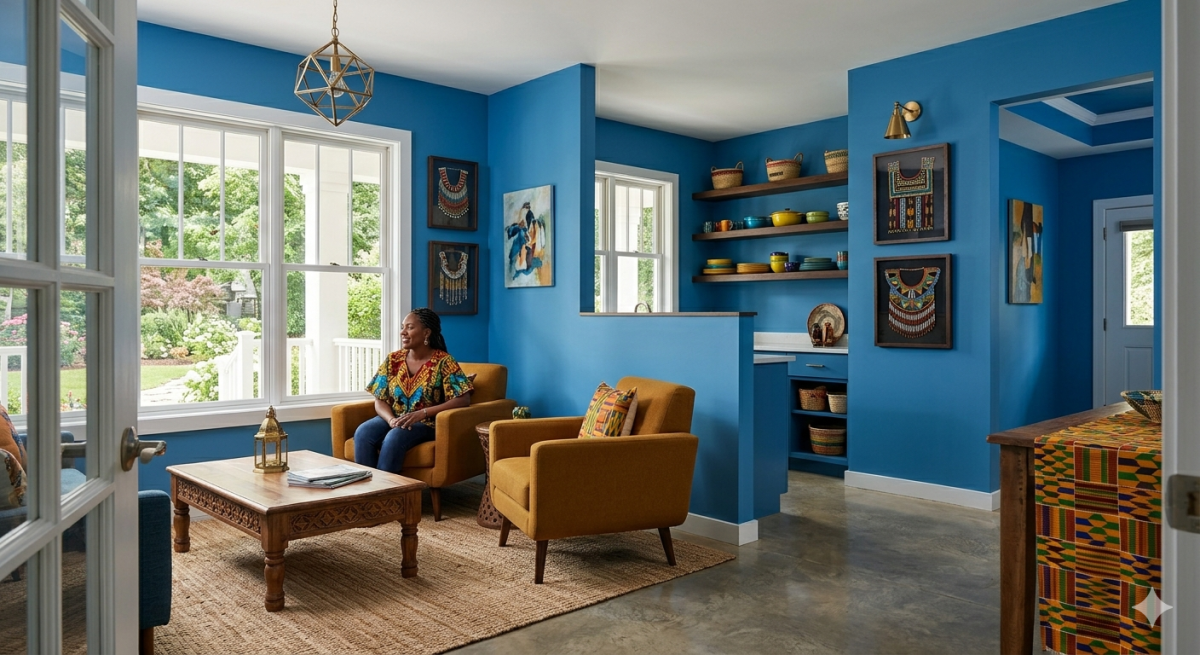
Green, often associated with nature, creates balance and renewal. It works well in living rooms, bedrooms and study spaces because it reduces visual strain and promotes calmness.
Research highlighted by the Psychological Association notes that environmental colours can influence emotional responses and behaviour. As interior design experts explained, “Colour has the power to transform the atmosphere of a room and impact how people feel within it.”
Purple, especially lighter shades, creates a thoughtful and soothing atmosphere often suited for personal spaces.
Choosing colour with purpose
Neutral colours also play an important role. White creates freshness and openness, making smaller rooms appear larger. Grey offers sophistication and calm, though it often works best when paired with warm accents.
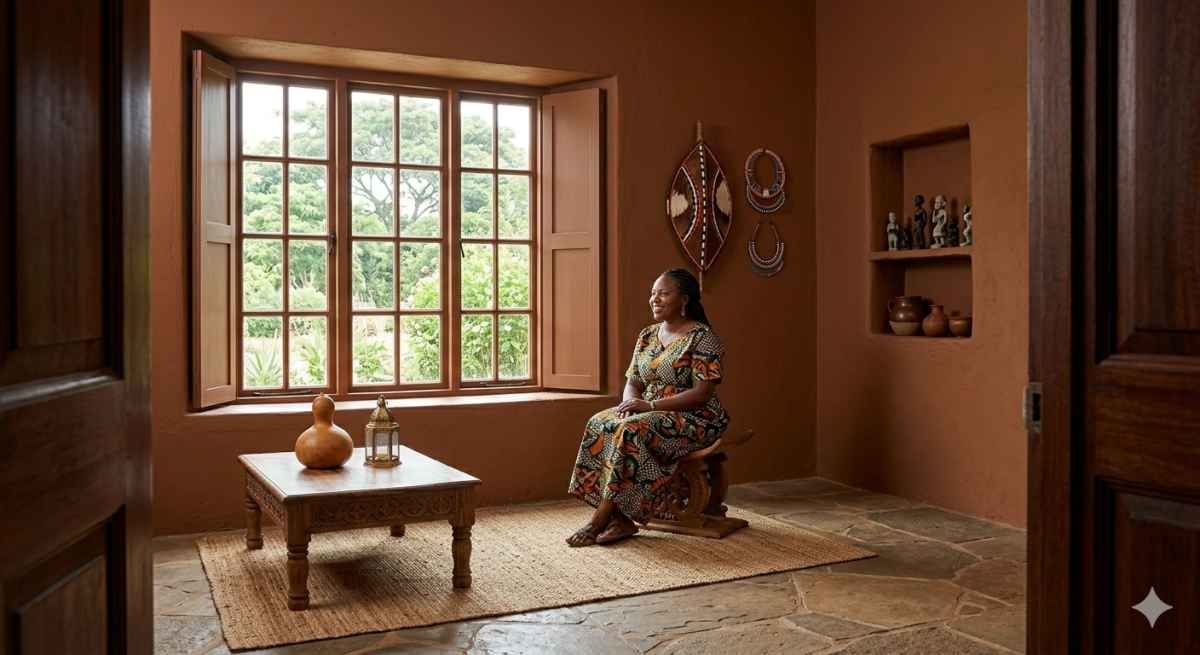
Experts from the National Association of Home Builders suggest that homeowners should choose paint colours based on a room’s purpose rather than passing trends.
Lighting is equally important. A colour that looks warm during the day may appear dull under artificial light at night. Testing paint samples helps reveal how a shade changes throughout the day.
The walls of a home quietly shape everyday experiences. A carefully chosen colour can make a space feel cheerful, restful, productive or welcoming.