Why wounds heal faster in some people than others
By Katemarthason Okudo, July 3, 2026A small cut on one person may close within days, while a similar wound on another person takes longer, becomes painful or struggles to heal completely. The difference is not simply about “having strong skin”. Wound healing is a detailed biological process involving blood flow, immune cells, nutrition, sleep and a person’s overall health.
From the moment the skin is broken, the body begins working to repair the damage. However, when one part of that process is slowed down, healing can take longer than expected.
Repair process
Wound healing happens in four overlapping stages: haemostasis, inflammation, proliferation and remodelling.
The first stage, haemostasis, begins almost immediately. Blood vessels narrow and platelets gather at the injured area to form a clot, helping to stop bleeding. The clot also acts as a temporary barrier against germs.
Inflammation follows. This is when the wound may look red, feel warm or become slightly swollen. While these signs can be worrying, mild inflammation is part of normal healing because white blood cells are clearing away damaged tissue and fighting possible infection.

According to the National Library of Medicine, wound healing is “a dynamic process involving highly specialised cellular, humoral and molecular mechanisms”, meaning many systems in the body must work together for the skin to repair itself properly.
New tissue
During the proliferation stage, the body starts building replacement tissue. Fibroblasts, which are cells involved in repair, produce collagen to give the healing skin structure and strength. New blood vessels also form to bring oxygen and nutrients to the wound.
This is why a wound may appear pink or red as it heals. It is often a sign that fresh tissue and tiny blood vessels are developing.
The final stage is remodelling. Collagen fibres are reorganised, the scar becomes flatter and the repaired skin slowly gains strength. This stage can continue for months, and healed skin may never be as strong as uninjured skin.
Blood sugar
People with poorly controlled diabetes often experience slower wound healing, especially on the feet and lower legs. High blood glucose can affect circulation, reduce the body’s ability to fight infection and interfere with the work of fibroblasts, which are needed to produce collagen.
Diabetes can also damage nerves, meaning a person may not notice a small cut, blister or pressure injury early enough. By the time it is noticed, the wound may already be infected or deeper than it first appeared.
Medical guidance by the National Library of Medicine, Diabetic Wound Healing notes that poor blood flow, slower collagen production and reduced formation of new blood vessels all contribute to delayed healing in people living with diabetes.
Building materials
Healing requires energy and nutrients. Protein helps the body build and repair tissue, while vitamin C supports collagen formation. Zinc also plays an important role in cell growth, immune function and wound repair.
A diet lacking enough protein, fruits, vegetables and other nutrient-rich foods can make it harder for the body to rebuild damaged skin. Vitamin C deficiency, in particular, can affect the strength of repaired tissue because the nutrient is needed in collagen production.
This does not mean everyone with a cut needs supplements. For most people, regular balanced meals containing protein, fruits, vegetables, legumes, eggs, fish or meat can support the body’s natural healing work. Supplements should be discussed with a healthcare professional, especially for people with long-term illnesses.
Age, sleep and lifestyle
As people grow older, the body’s repair response can become slower. Reduced cell activity, thinner skin, lower circulation and other health conditions can all affect recovery.
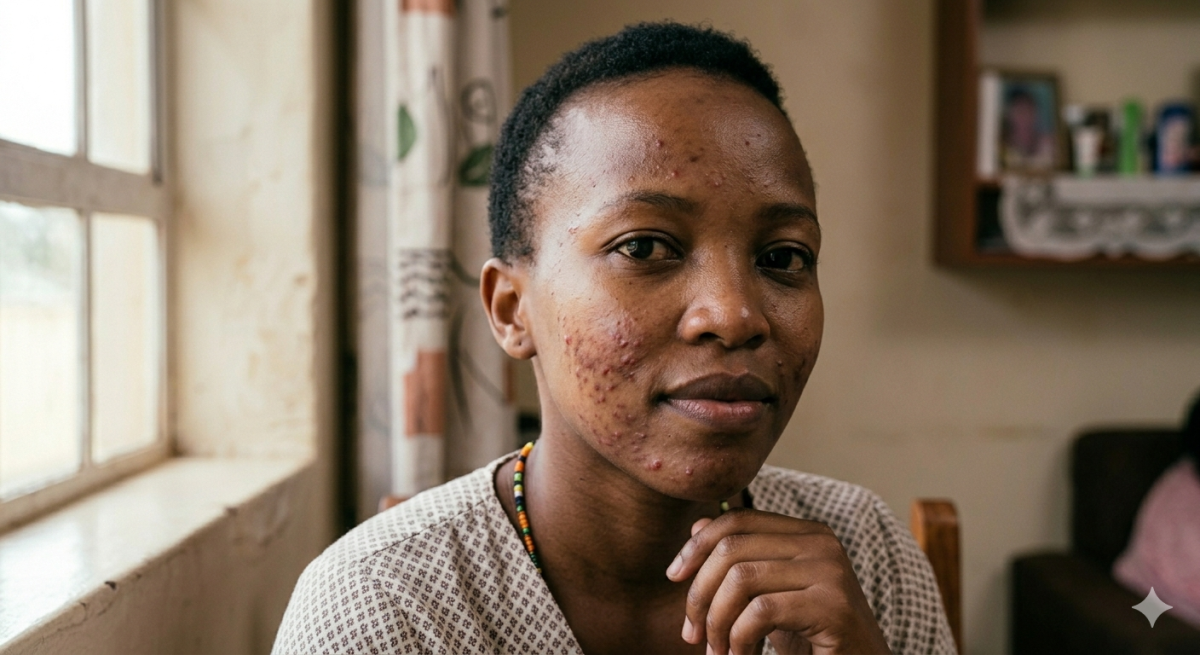
Sleep also matters. During deep sleep, the body releases hormones involved in growth and tissue repair. Poor sleep, ongoing stress, smoking and heavy alcohol use can therefore make healing more difficult.
Smoking is particularly harmful because it reduces oxygen delivery to tissues. Oxygen is needed for immune activity, new blood vessel growth and collagen production.
When a wound needs medical attention
Minor cuts and scrapes often improve with gentle cleaning, protection and time. However, a wound should be checked by a healthcare provider if redness spreads, pain increases, pus appears, the area becomes very swollen, or the wound does not show signs of improvement.
People with diabetes, poor circulation or weakened immunity should take even small wounds seriously. A slow-healing wound is not always a sign of poor hygiene; it can be an early warning that the body needs medical support.