Advertisement
How social media is redefining modern relationships
23rd July, 2026 11:31 PM
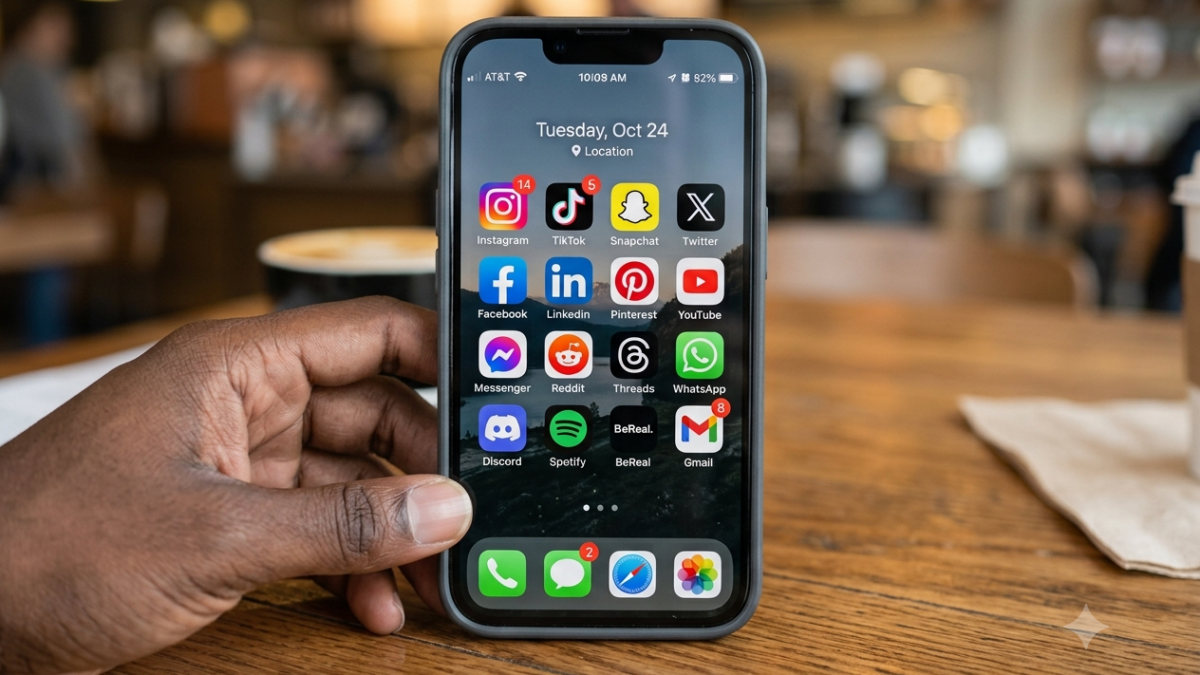
Welcome to modern relationships, where a heart emoji can make your day, an “active now” status can ruin your mood, and one innocent follow can spark an investigation worthy of a detective series. Social media has become part of everyday love, often without us even noticing. It has changed the way people meet, flirt, argue, apologise and even break up.
It is not all bad. Social media helps couples stay connected, especially during busy days or long-distance relationships. But if it is not handled carefully, it can quietly become a source of pressure, misunderstanding and unnecessary drama. Here are five ways it is changing modern relationships.
Chasing perfection
Every day, social media serves a never-ending stream of smiling couples enjoying expensive holidays, surprise proposals, candlelit dinners and thoughtful gifts. After scrolling through enough of these posts, it becomes easy to believe that everyone else’s relationship is happier, more romantic and somehow more exciting than your own.
The truth is much simpler. Most people only post the best moments because nobody rushes to upload pictures after a disagreement about dirty dishes or forgotten anniversaries. Social media is a collection of highlights rather than a full documentary.
The danger comes when people start comparing their everyday lives to someone else’s carefully selected memories. A healthy relationship is not measured by beautiful pictures or fancy captions. It is measured by kindness during difficult days, patience during disagreements and the comfort of knowing someone genuinely has your back.
Reading too much
Modern relationships have developed a strange habit of turning ordinary online activity into complicated puzzles. A message left unanswered for an hour suddenly feels suspicious. An old classmate liking your partner’s photo somehow becomes breaking news. Before long, harmless moments begin carrying meanings they were never meant to have.
Social media gives people endless information but very little context. A person may forget to reply because they became busy, lost signal or simply fell asleep. Unfortunately, imagination often fills the silence with stories that create unnecessary tension.
Strong relationships are built on asking honest questions instead of making dramatic assumptions. Trust saves far more relationships than detective work ever will.
Sharing everything
There is nothing wrong with celebrating love online, but not every special moment needs an audience. Some couples feel pressure to post every anniversary, every holiday and every thoughtful gift because staying silent somehow feels like hiding the relationship.
The happiest moments, however, are often the ones that never appear on anyone’s timeline. A quiet evening walk, laughing over burnt dinner or talking for hours without touching a phone rarely earns likes, but those memories usually last much longer than any social media post.
Keeping parts of a relationship private also protects it from unnecessary opinions. After all, strangers can double-tap a picture, but they cannot build your relationship for you.
Living online
One of the biggest ironies of modern love is that people have never been more connected digitally while sometimes feeling less connected emotionally. Many couples sit together on the same sofa while scrolling through completely different worlds on their phones.
Instead of talking about their day, they watch strangers talk about theirs. Instead of enjoying the moment, they worry about capturing it.
Relationships need attention just like plants need water. When every spare minute is spent refreshing feeds or checking notifications, meaningful conversations slowly become shorter and less frequent. Love grows through shared experiences, not shared Wi-Fi.
Choosing reality
Social media is not the enemy of modern relationships. It allows couples to stay connected across long distances, celebrate important milestones and share joyful memories with family and friends. The problem begins when online attention becomes more valuable than real-life connection.
The strongest couples understand that phones should support their relationship rather than dominate it. They know when to enjoy a conversation without interruptions, when to leave the phone in a pocket during dinner and when to create memories that exist only between the two of them.
At the end of the day, no relationship survives because of perfectly edited photos or clever captions. It survives because two people continue choosing honesty, trust, laughter and genuine presence long after the screens have gone dark.