Advertisement
How sunscreen protects your skin from harmful sun rays
25th May, 2026 10:49 PM

There are two main types of UV (ultraviolet) rays in sunlight – UVA and UVB.
A simple way to remember the difference is that A is for ageing and B is for burning. UVB reaches the outer layer of the skin, the epidermis, causing most sunburn.
UVA gets deeper, and it is associated with ageing. It damages the collagen and elastin in the skin, causing wrinkles. Both types of UV can damage the DNA in our skin cells and cause skin cancer.
What is SPF?
SPF stands for Sun Protection Factor, and the number represents how much UVB it allows to reach your skin. A sunscreen with SPF15 allows one-fifteenth of the sun’s UVB rays in, or about 7 per cent.
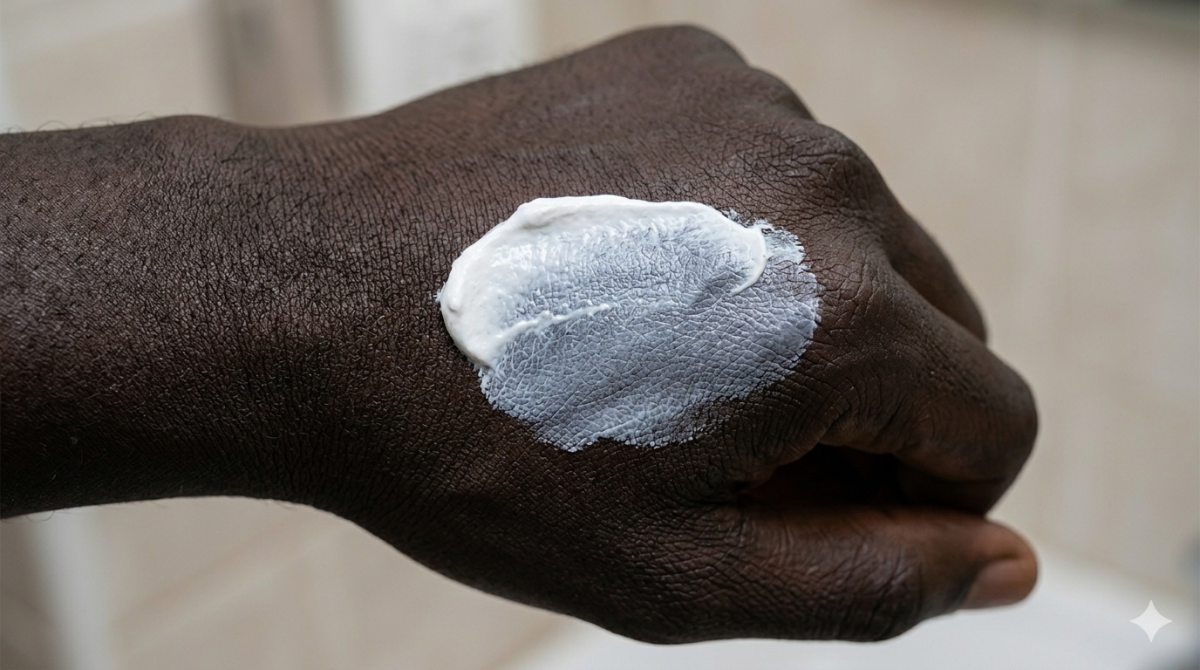
The amount of UV rays filtered depends on the level of SPF.
• SPF15 blocks 93 per cent of UVB rays
• SPF30 blocks 96.7 per cent of UVB rays
• SPF50 blocks 98 per cent of UVB rays
The numbers can be used as a guide to how long you are protected from burning, compared to if you weren’t wearing an SPF sunscreen.
So if you would normally burn after 10 minutes, and you’re wearing SPF30, you could – in theory – spend around five hours in the sun with a reduced risk of sunburn (because 10 x 30 = 300 minutes).
However, that calculation should be taken with a pinch of salt, because no sunscreen actually blocks 100% of UV rays. That is reflected in the fact that in the EU, the maximum SPF rating is 50+.
The calculation is also based on the sunscreen being applied exactly as directed.
What is the star rating?
While the SPF rating will tell you how well a suncream protects against UVB, star ratings are the indicator for UVA protection.
You should look for a high star rating of four or five stars, according to Cancer Research UK, or “UVA” in a circle, which indicates it meets the EU’s minimum standard.
What is the UV index?
The UV index tells you how strong the sun’s rays are – the higher the number, the stronger it is.
On a scale of 1 to 9+, a rating of three or more indicates the sun is strong enough to cause damage, and you should use sun protection.
UV rays are generally strongest between 11 am and 3 pm and can be strong enough to damage your skin from mid-March to mid-October in the UK, even if it’s cold or cloudy.
You can check the UV index on weather forecasting websites or apps, or by searching online.
How does sunscreen actually work?
There are two types of UV filters, and sunscreens often contain a combination.
Mineral sunscreen ingredients include titanium dioxide and zinc oxide, which act as a physical barrier that reflects and scatters UV rays away from the skin.
Chemical sunscreen ingredients include aminobenzoic acid, avobenzone, octisalate, octocrylene, and oxybenzone.
These absorb the UV rays so they don’t damage your skin.
Cancer Research tips for applying sunscreen:
• Use a lotion, pump-spray or roll-on over an aerosol, as the coverage from aerosols can be patchy and thin.
• Put enough on, applying sunscreen evenly and thickly.
• Reapply regularly, even if your sunscreen says it’s “once a day” or “water resistant”.
• Don’t rely on SPF in moisturiser or make-up, as often these products don’t give enough protection on their own.
• Check the expiry date on your sunscreen to make sure it’s still providing protection.