Advertisement
Sunscreen scandal putting lives at risk for skin cancer patients
06th September, 2025 03:03 PM
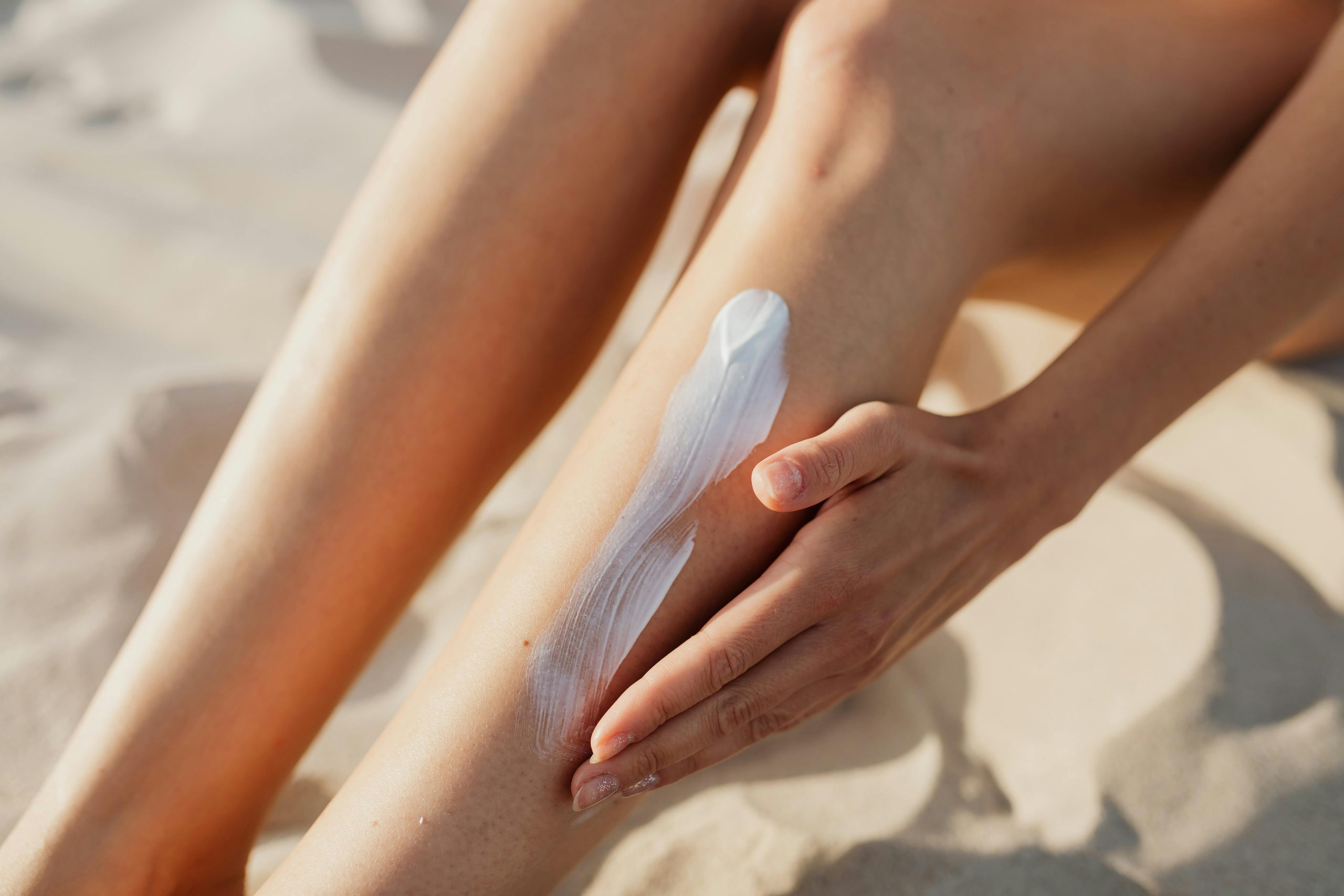
Like many Australians, Rach grew up “terrified of the sun” in the country with the highest rates of skin cancer in the world.
Her childhood was characterised by the infamous “no hat, no play” rule that is commonplace in Australian schools, 90s advertisements that warned the sun would give you cancer, and sunscreen tubes that stood guard at every door in her home.
It made the now 34-year-old the kind of person who religiously applies sunscreen multiple times a day and rarely leaves the house without a hat.
So she was shocked when doctors found a skin cancer on her nose during a check last November, something they said was abnormal given her age and ray-dodging regime.
Though technically classified as a “low-grade” skin cancer – a basal cell carcinoma – it had to be surgically removed, leaving the Newcastle mum with a scar just below her eye.
“I was just confused, and I was a little bit angry because I was like, ‘Are you kidding me?'” Rach – who asked that her surname not be used – told the BBC. “I thought I’d done all the right stuff and it still happened to me.”
That rage grew when she learned the sunscreen she had been using for years was unreliable and, according to some tests, offered next to no sun protection at all.
Independent analysis by a trusted consumer advocacy group has found that several of Australia’s most popular and expensive sunscreens are not providing the protection they claim to, kicking off a national scandal.
There has been a massive backlash from customers, a probe launched by the country’s medical watchdog, multiple products pulled from shelves, and questions raised about the regulation of sunscreen around the globe.
“It’s definitely not an issue isolated to Australia,” cosmetic chemist Michelle Wong told the BBC.
How did this happen?
While in Europe sunscreen is classed as a cosmetic, Australia regulates it as a therapeutic good – essentially a medicine – which means it is subject to some of the most robust sunscreen regulations in the world.
And that’s something many of the brands caught up in this saga trade on. So, how did this happen?
An investigation by the Australian Broadcasting Corporation found that a single US-based laboratory had certified at least half of the products that had failed Choice’s testing, and that this facility routinely recorded high test results.
It also found that several of the sunscreens pulled from shelves shared a similar base formula and linked them to a manufacturer in Western Australia.
The TGA says it does not usually speak about ongoing investigations because it does not want to compromise them, but that it is also looking into “reviewing existing SPF testing requirements” which can be “highly subjective”.
“The TGA is also aware that it is common practice for different sunscreen products to share the same or similar base formulations,” a spokesperson said in a statement to the BBC.
“Ultimately it is the sponsor’s [seller’s] responsibility to ensure that their medicine remains compliant with all applicable legislative requirements.”
Consistent and comfortable sunscreens which offer high protection are very technical and difficult to make, says Dr Wong, founder of Lab Muffin Beauty Science.
Everyone’s skin responds differently to the product, she adds, and it’s one that is almost always being stress-tested – by sweat, water, or makeup.
It is very difficult to rate effectively for the same reasons. Historically, it has been done by spreading the sunscreen on 10 people at the same thickness, then timing how long it takes for their skin to start burning both with and without the product applied.