Advertisement
Why constant tiredness could be a warning sign of diabetes
12th May, 2026 11:35 AM
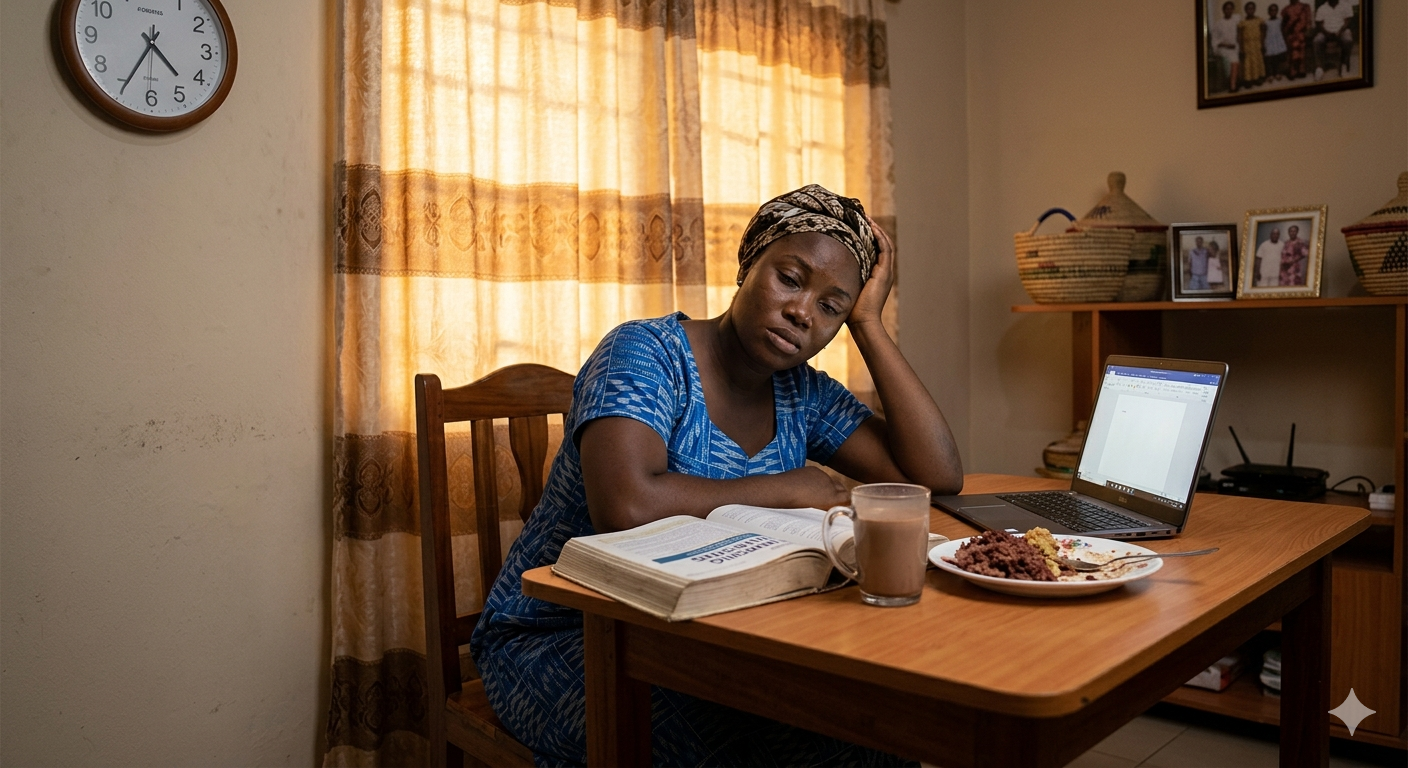
Feeling tired after a long day, waking up sluggish, or struggling to stay energised is something many people assume is part of life. Busy schedules, poor sleep, and daily stress are often blamed when energy levels drop.
However, health experts warn that sometimes what looks like ordinary exhaustion could be the body quietly signalling something more serious, that is, diabetes.
Diabetes is a condition that affects how the body processes blood sugar, also known as glucose. When blood sugar levels remain too high for long periods, it can interfere with the body’s normal functions.
According to health information from the World Health Organization and the International Diabetes Federation, millions of people live with diabetes without knowing it, mainly because the early warning signs are often subtle and easy to dismiss.
Constant fatigue that does not go away
One of the earliest and most ignored signs of diabetes is persistent tiredness. This is not the kind of fatigue that improves after a good night’s sleep. It is an ongoing feeling of low energy that lingers throughout the day.
This happens because when the body struggles to use insulin properly, glucose cannot effectively enter the cells to provide energy. Even though there is enough sugar in the bloodstream, the body’s cells are essentially left without fuel. Health guidance from the Center for Disease Control and Prevention noted that this can leave a person feeling weak, drained, and mentally foggy.
Increased thirst and constantly going to the washroom
Feeling unusually thirsty or needing to urinate more often can also be a silent warning sign. High blood sugar forces the kidneys to work harder to remove excess glucose from the bloodstream. This process pulls more water from the body, leading to dehydration.

Many people mistake this for simply drinking too much water, especially during hot weather or after physical activity. But when it becomes a daily pattern, it may be worth paying attention to.
Unexplained hunger
Another common sign is feeling hungry even after eating. Since the body is unable to properly convert glucose into energy, it keeps signalling for more food.
What may seem like an increased appetite caused by stress or routine changes could actually point to a blood sugar imbalance.

Blurred vision and slow healing
Diabetes can also affect vision by causing fluid shifts that impact the eyes. Occasional blurry vision is often blamed on screen time or fatigue, but repeated episodes should not be ignored.
At the same time, cuts, bruises, or minor wounds that take longer than usual to heal may indicate poor blood circulation caused by elevated blood sugar levels.
Listening to your body matters
Recognising these small but consistent changes can make a big difference. Early diagnosis allows for better management through lifestyle adjustments, regular monitoring, and medical support.