Advertisement
How to stop weed smoking in easy steps
21st May, 2026 02:26 PM
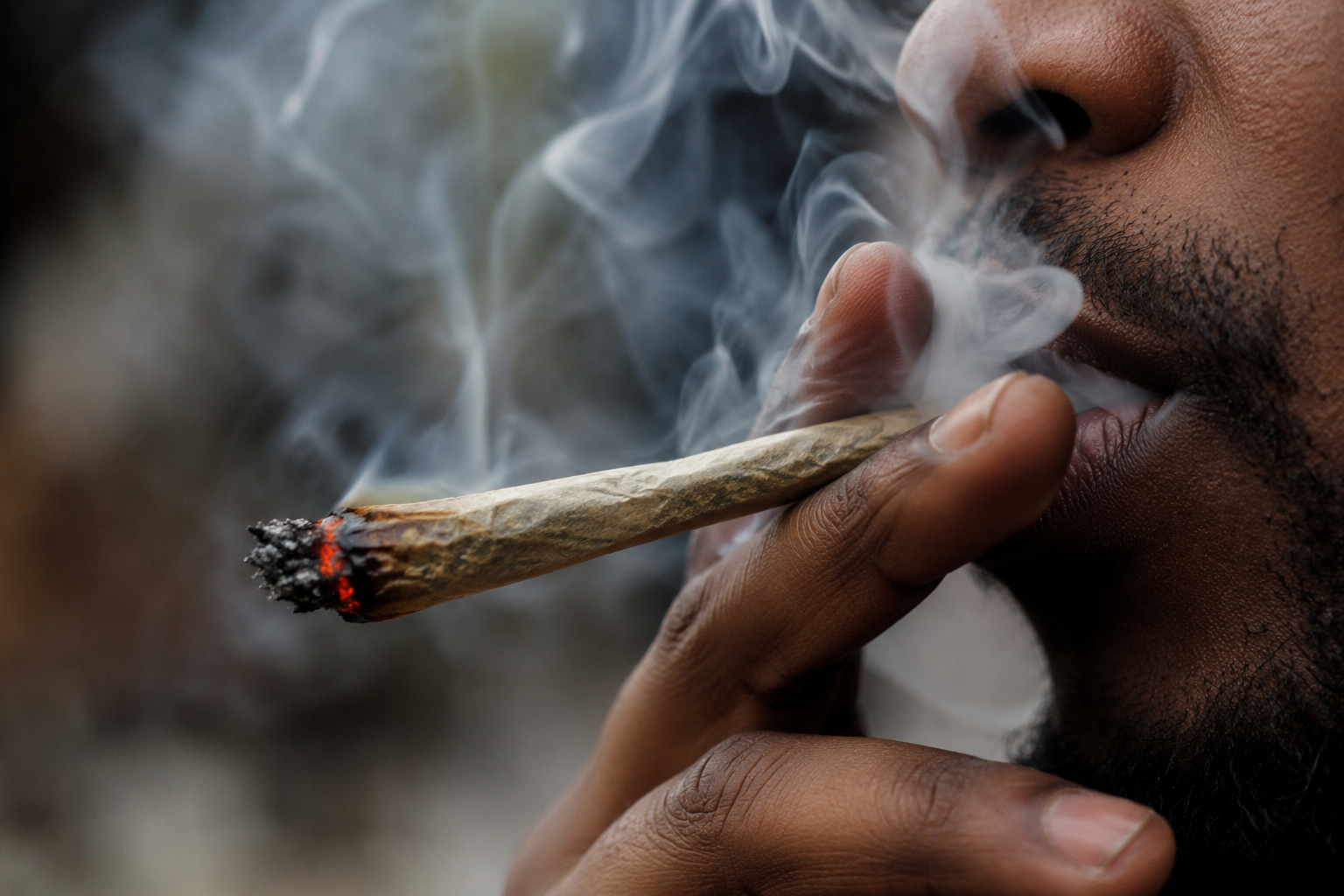
Stopping bhang smoking or for a better word, weed smoking as Gen Zs call it is never easy and will not be easy.
Just like any other addiction, cannabis slowly changes the way the brain functions, especially the parts linked to pleasure, motivation, stress relief and emotional comfort.
Many smokers reach a point where they no longer smoke to feel high, but to feel normal again. That is where the trap begins.
For years, bhang has been treated casually in many social spaces, especially among young people who see it as harmless compared to harder drugs.
But long term smoking affects the brain’s reward system, memory, emotional balance and even motivation.
The good thing, however, is that the human brain is adaptable. Once someone stops smoking, the body immediately begins trying to repair itself.
The challenge is surviving the early stages of recovery when the brain is demanding the stimulation it had become used to.
Brain effects
The main active chemical in cannabis, tetrahydrocannabinol commonly known as THC, affects the endocannabinoid system in the brain.
This system controls mood, sleep, appetite and emotional response.
When someone smokes repeatedly for months or years, the brain adjusts itself around the drug.
It starts relying on THC instead of producing balanced natural responses on its own.
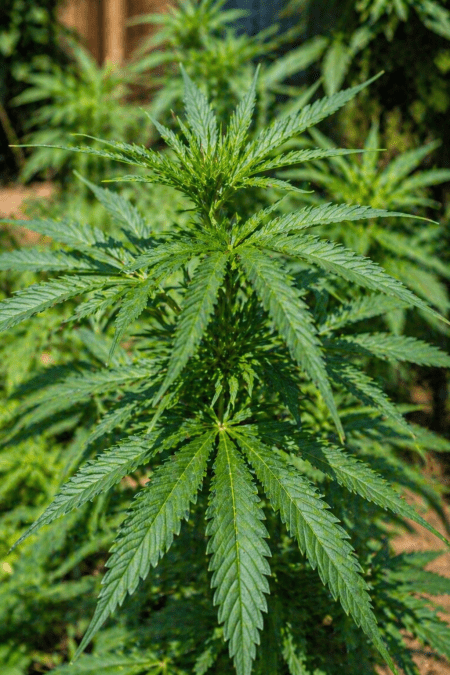
Once smoking stops, the brain suddenly has to function without that artificial stimulation.
This creates withdrawal symptoms that many smokers underestimate until they actually try quitting.
The first three days are usually the hardest. Many people become irritable, anxious and restless.
Sleep becomes difficult and some experience sweating, mood swings and strange vivid dreams.
Others feel emotionally empty or mentally slow. Scientifically, this happens because dopamine activity temporarily drops while the brain tries to rebalance itself.
This is why many people relapse within the first week.
They mistake withdrawal discomfort for permanent damage, yet it is actually the brain healing.
Importance of exercise
One of the most effective ways to stop bhang smoking is intense physical activity.
Exercise naturally increases dopamine and endorphins, the same feel good chemicals that cannabis indirectly manipulates.
Running, football, gym workouts, skipping rope and swimming can help reduce cravings because they activate the brain’s natural reward pathways.
People who exercise consistently during recovery often report reduced anxiety, improved sleep and better emotional control compared to those who remain inactive.
Exercise also speeds up metabolism. Since THC is stored in body fat, physical activity may help the body clear remnants of the drug faster over time.
The important thing is consistency. The brain responds well to repeated healthy stimulation.
What happens after seven days
By the first week, many former smokers begin noticing small but important changes.
Mental clarity slowly starts returning. Some wake up with more energy while others realise they can focus better during conversations or work.

One major change that surprises many people is dreaming. Cannabis suppresses REM sleep, the stage linked to dreams and deep mental recovery.
Once smoking stops, the brain tries to restore this sleep cycle, often causing intense dreams during the first few weeks.
Emotionally, the brain also becomes more sensitive again. Someone who felt emotionally numb while smoking daily may suddenly feel happiness, sadness or motivation more strongly.
This stage is important because the brain is slowly relearning how to experience life without chemical stimulation.
The danger of boredom
Many people fail to quit because they remove bhang without replacing the routine attached to it. Addiction is not only chemical. It is behavioural.
Someone who smoked every evening after work now suddenly faces empty hours.
The brain hates boredom during withdrawal because it starts craving quick dopamine again.
This is why experts recommend finding replacement activities that produce natural reward.
The healthiest replacements are usually activities that combine effort, achievement and emotional satisfaction.
Learning a new skill can help significantly. Some people become obsessed with gym progress, business, photography, gaming in moderation, music production or content creation.
The brain responds positively when it sees measurable progress.
That is the secret behind healthy dopamine. It comes from effort followed by reward.
What happens after 21 days
Around the third week, the body and brain begin stabilising further. Cravings usually become more psychological than physical. Sleep improves gradually and emotional reactions become more balanced.
Scientists believe this is the stage where cannabinoid receptors in the brain begin recovering more normal sensitivity after prolonged overstimulation from THC.
Many former smokers also report feeling mentally “awake” again around this period. Tasks that once felt boring start becoming manageable without needing intoxication first.
Ironically, this is also one of the most dangerous stages for relapse. Once people start feeling better, they often convince themselves they can control “just one puff.” Unfortunately, the brain still remembers the old pleasure pathway very strongly.
That single return can quickly restart the cycle.
Why social circles matter when quitting bhang
Environment affects addiction more than most people realise. If someone spends every weekend around heavy smokers, the brain constantly reconnects old memories with pleasure and comfort.
Recovery becomes easier when someone changes routines, locations and even friendships that revolve entirely around smoking culture.
This does not mean abandoning everyone. It means protecting the healing process long enough for the brain to create new habits.
Supportive environments reduce relapse because they lower exposure to triggers.