Advertisement
How the first 30 minutes after a snakebite save lives
01st August, 2026 04:59 PM
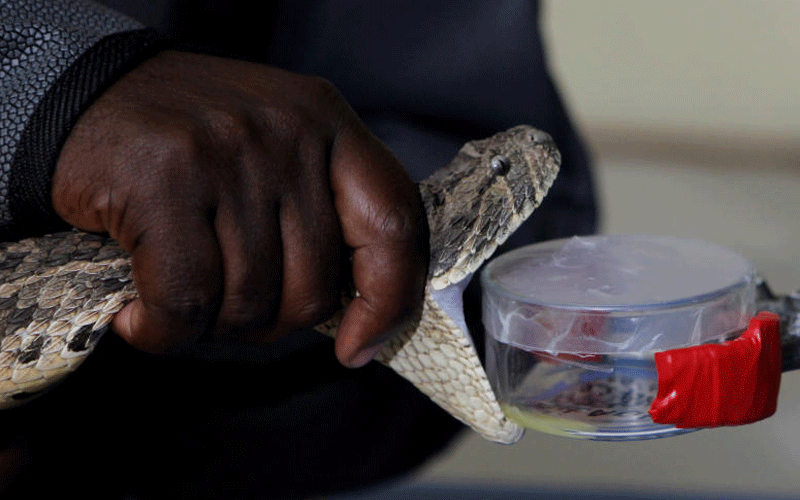
A snakebite incident triggers immediate panic. In many homes across Kenyan villages and towns, people react by tying tight ropes above the wound, slicing the skin with razor blades, or trying to suck out the poison.
Emergency medicine experts warn that these old habits cause far more harm than good.
What happens in the first 30 minutes after a bite often determines whether a victim recovers fully or suffers severe complications. Understanding the correct steps saves lives and limbs.
The first 30 minutes are not about heroics or traditional experiments. They are about staying calm, avoiding harmful interventions, and getting professional medical help without delay.
Those simple decisions can mean the difference between recovery and tragedy.
Myths that cause damage
Dangerous misconceptions still dictate emergency responses in many local communities. Tying a tight tourniquet blocks blood flow entirely, which rapidly starves tissues of oxygen and leads to amputation.
Cutting open the wound introduces dangerous bacteria, while sucking out venom exposes the rescuer to the same poison through tiny cuts in their mouth. Black stones, traditional herbs, and battery acid are similarly ineffective against venom.
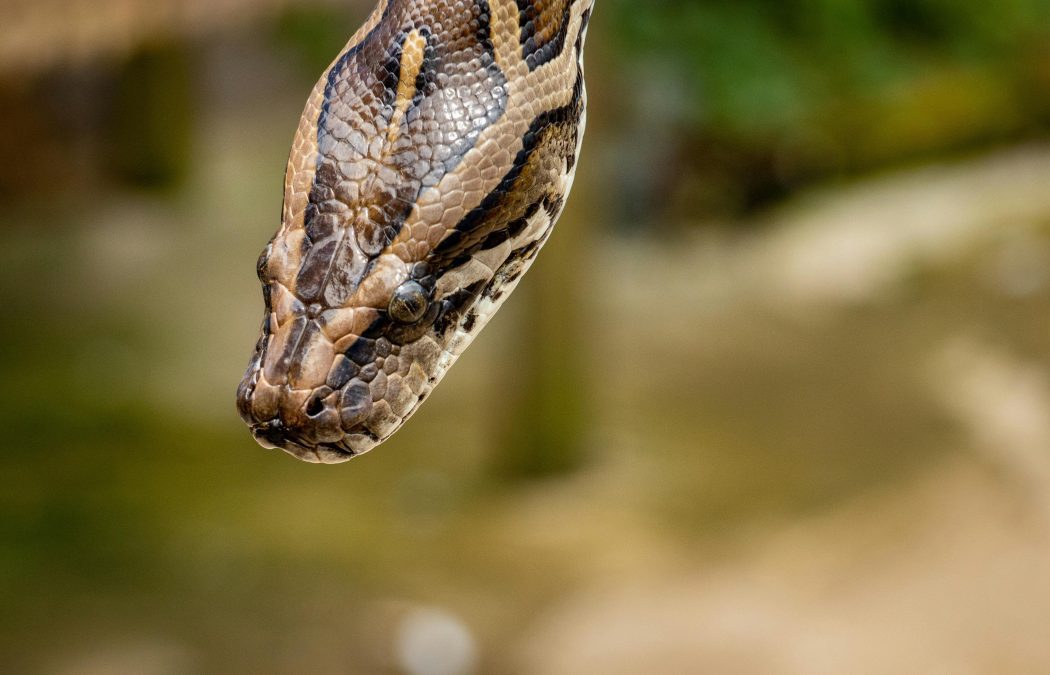
When a person panics, their heart rate spikes. A faster heart rate pumps venom through the bloodstream much faster. Keeping the patient seated, still, and reassured slows down how fast poison spreads through the body.
The right actions
The safest first aid response requires keeping things simple. Move the victim away from the snake to prevent a second bite. Remove tight rings, bangles, or shoes near the bite site because rapid swelling will happen soon.
Immobilise the bitten leg or arm using a makeshift splint or sling, just as you would treat a broken bone.
Wash the wound gently with clean water if available, but do not scrub it or rub anything into it. Most importantly, organise transport to the nearest hospital immediately.
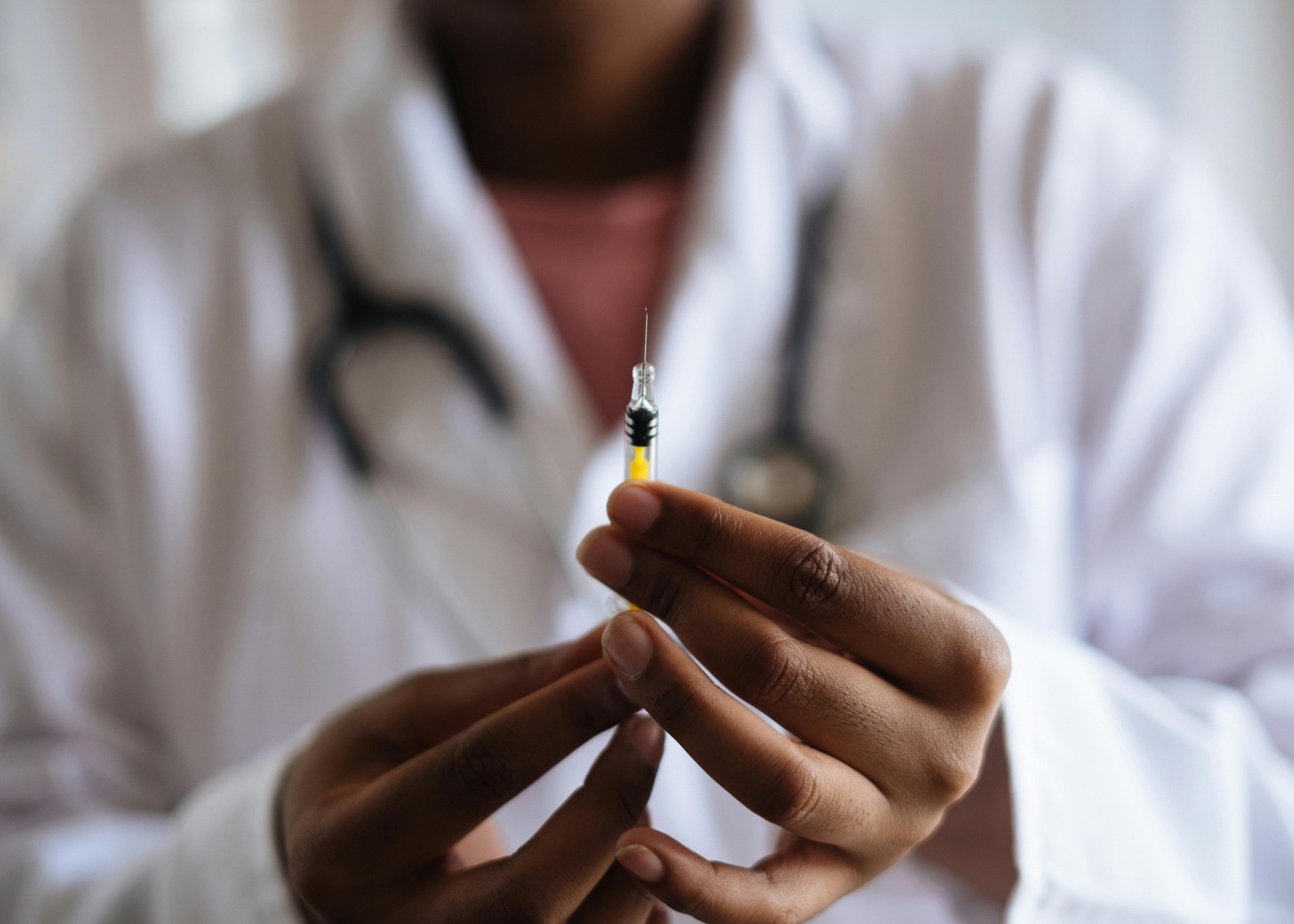
Modern hospitals rely on antivenom and supportive care to neutralise poison and prevent organ damage. Every minute spent experimenting with unproven remedies delays access to genuine treatment.
By replacing risky myths with calm, clear action, families and neighbours can protect their loved ones during critical emergencies.