Advertisement
Why missing childhood vaccines can put your health at risks
22nd June, 2026 12:51 PM
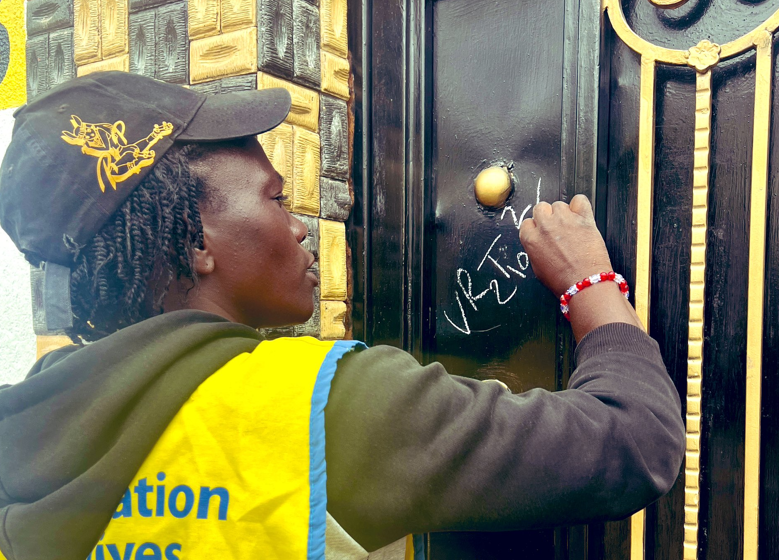
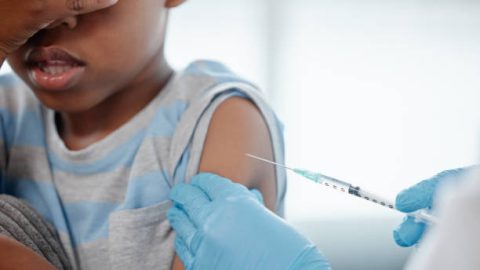
Childhood vaccines remain one of the strongest protections against diseases that once claimed millions of young lives across the world.
In Kenya and many other countries, immunisation is part of routine child healthcare, designed to ensure that children grow up protected from infections that can easily spread and become severe within a short time.
Despite this, health experts continue to warn that missing even a few doses can leave a child exposed to preventable illnesses that may affect them for life.
How vaccines protect children
From the moment a child is born, the body is still developing its natural defence system. Vaccines work by helping the immune system recognise harmful germs without actually causing the disease. Once the body is exposed to a weakened or inactive form of a virus or bacteria through vaccination, it learns how to fight it in future encounters.
According to the World Health Organization (WHO), vaccines are among the safest and most effective tools in modern medicine, and they continue to save millions of lives every year by preventing deadly infections before they spread.
Vaccines given at birth and early infancy
One of the first vaccines given at birth is the BCG vaccine, which protects against tuberculosis, a disease that mainly affects the lungs and can become severe in young children. Shortly after birth, children also begin receiving polio vaccines, which protect against a virus that can attack the nervous system and cause permanent paralysis. According to UNICEF Kenya, early immunisation is critical because it builds protection during the most vulnerable stage of life when children’s immunity is still developing.
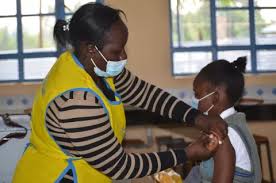
Protection against multiple diseases in early childhood
In the following weeks, the pentavalent vaccine is introduced, offering protection against several serious infections, including diphtheria, which affects breathing; tetanus, which causes painful muscle stiffness; whooping cough; hepatitis B, which damages the liver; and Haemophilus influenzae type B, which can lead to meningitis and pneumonia.
The Kenya Ministry of Health explains that combining protection in one vaccine reduces the number of injections while ensuring children are protected against multiple life-threatening diseases at once.
The pneumococcal vaccine is also given to prevent pneumonia and bloodstream infections, while the rotavirus vaccine protects against severe diarrhoea that can quickly lead to dehydration and death in infants if not treated early.
Vaccines in later childhood
As children grow, they receive the measles-rubella vaccine, which protects against highly contagious diseases that can cause serious complications. According to the Centers for Disease Control and Prevention (CDC), measles can lead to brain inflammation, blindness, and severe respiratory infections, while rubella is especially dangerous during pregnancy because it can cause birth defects in unborn babies.
In adolescence, the HPV vaccine is given to protect against human papillomavirus, which is linked to cervical cancer later in life. Health experts explain that this vaccine is most effective when given before exposure to the virus, making early vaccination very important.
What happens when children miss vaccines
When children are not vaccinated, they remain exposed to diseases that can easily spread and become severe. Unvaccinated children are at higher risk of hospitalisation, long-term disability, and even death from diseases that are otherwise preventable. Missed vaccinations also increase the risk of outbreaks in schools and communities, especially in densely populated areas where infections spread quickly.
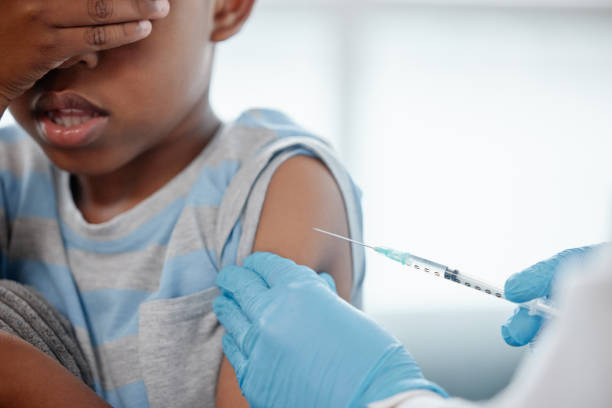
Safety and importance of vaccination
Health experts continue to emphasise that vaccines are safe, with most side effects being mild, such as a slight fever or swelling at the injection site. According to WHO, serious reactions are extremely rare and are closely monitored through global safety systems. The benefits of vaccination far outweigh the temporary discomfort experienced after immunisation.
Childhood vaccination remains a critical step in protecting health and ensuring a better future for every child. Completing the full immunisation schedule helps prevent diseases that can affect growth, education, and overall quality of life. Health organisations continue to urge parents and carers to follow vaccination schedules without delay to protect both individual children and the wider community.