Advertisement
I was far more of activist than journalist: Hanifa Adan resigns from Radio Generation
05th August, 2026 05:13 PM
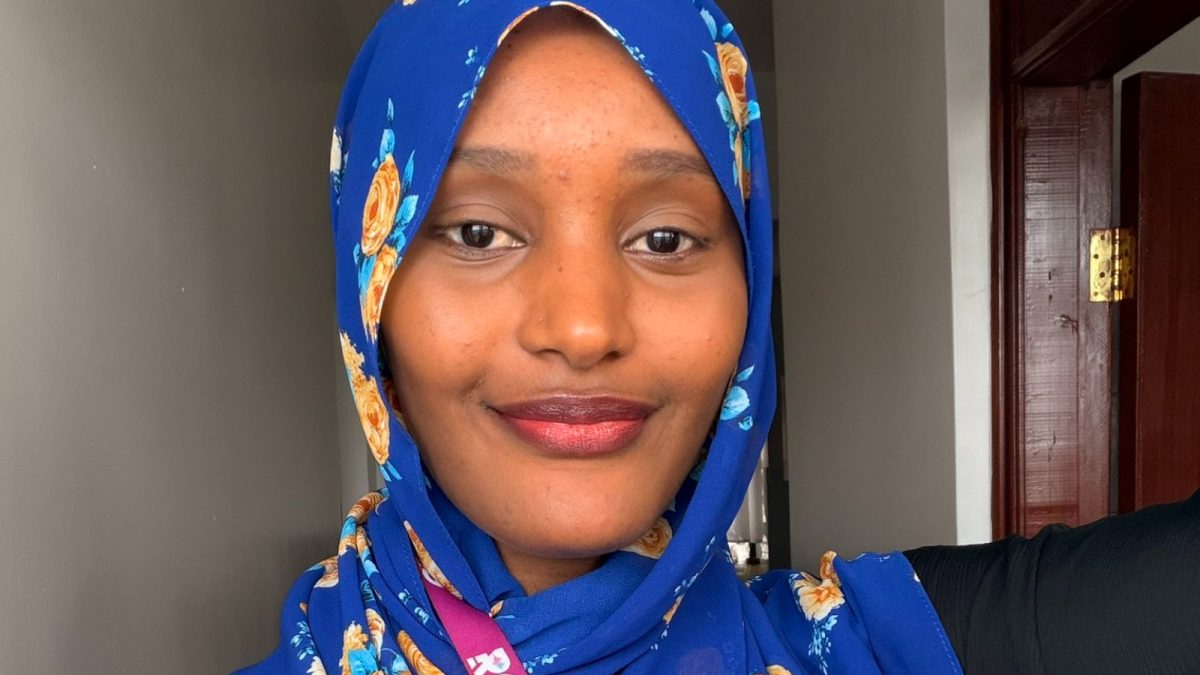
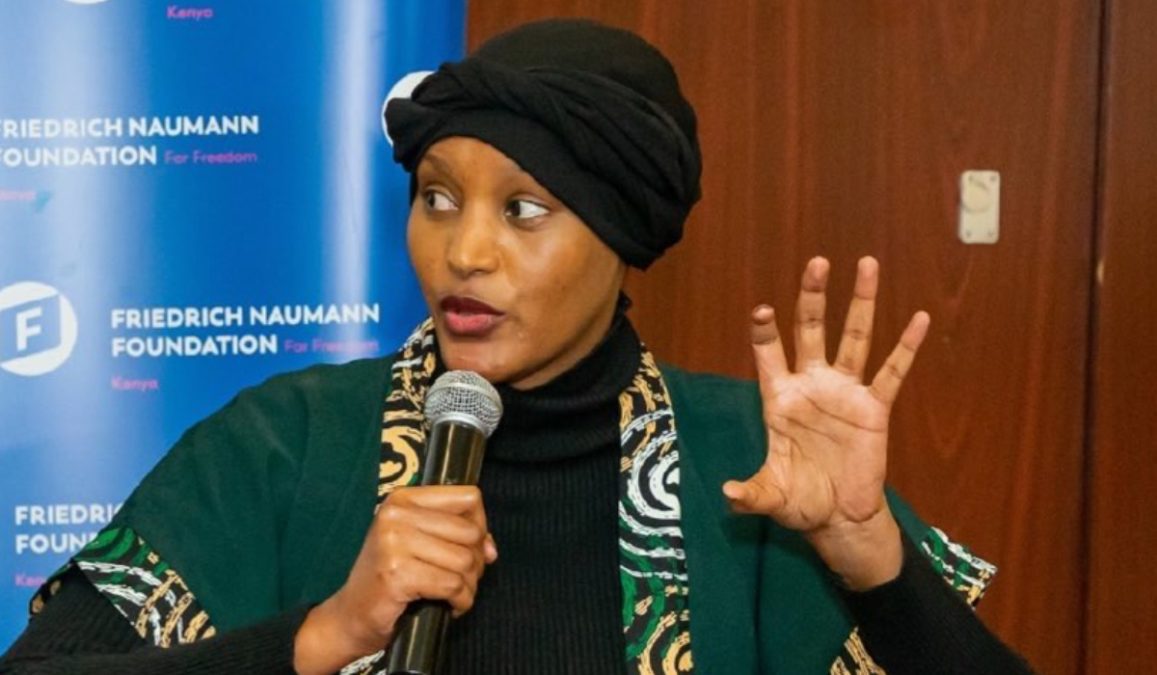
Vocal activist Hanifa Adan has announced that she has resigned from Radio Generation, reflecting on her time at the station and the lessons she learned about balancing activism with journalism.
In a heartfelt statement shared on social media on Wensday, August 5,2026, Hanifa revealed that her interview with Kimilili MP Didmus Barasa was her last at the station, explaining that she had already resigned by the time the interview was conducted.
Looking back on her journey, Hanifa admitted that when she joined the station, she approached journalism with the mindset of an activist rather than a reporter.
“My interview with Didmus Barasa was my last one at Radio Generation. By then, I had already resigned and was moving on to something else. It was probably the interview that best captured what those few months had taught me when I joined the station, I was far more of an activist than a journalist,” Hanisa said.

Personal struggles
She explained that she initially struggled to separate her personal beliefs from her professional responsibilities, admitting that she had little patience for politicians, particularly those she believed had contributed to Kenya’s challenges.
Hanifa disclosed that she even refused to interview some politicians because she believed giving them a platform was the wrong thing to do. However, she said her time in the newsroom taught her that journalism requires fairness and accountability regardless of personal opinions.
“I was constantly told I was emotional and biased, especially towards UDA politicians. It annoyed me, but I also had to be honest with myself that journalism isn’t activism. You don’t get to choose who you hold to account. You ask the questions, no matter who is sitting across from you,” she added.
She noted that interviewing Didmus Barasa and later activist Kasmuel McOure helped change her perspective, teaching her that journalism and activism are two different disciplines despite sharing a common goal of serving the public.
“I had refused to interview Kasmuel too but eventually I realised I couldn’t keep carrying my activist instincts into a newsroom. We did the interview, challenged each other, and it remained respectful. That experience, like many others, taught me that journalism and activism are different disciplines,” Hanifa stated.
Cost of activism
Beyond the newsroom, Hanifa also opened up about the personal cost of activism, saying the past two years had been among the hardest of her life due to constant public scrutiny, misinformation and online attacks.
“I wish more people understood the cost of activism. Some of you have the privilege of working wherever you want, building your careers without your politics following you everywhere. Activists don’t have that luxury,” she added.
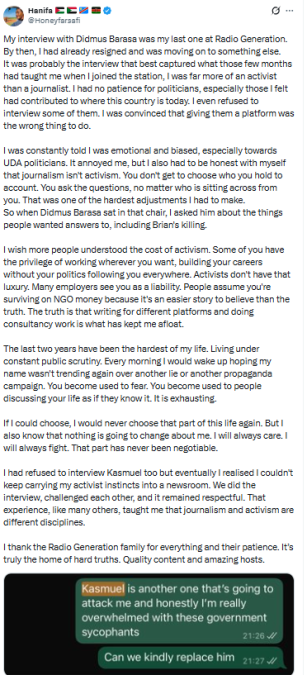
“Many employers see you as a liability. People assume you’re surviving on NGO money because it’s an easier story to believe than the truth. The truth is that writing for different platforms and doing consultancy work is what has kept me afloat,” she said.
“The last two years have been the hardest of my life. Living under constant public scrutiny. Every morning I would wake up hoping my name wasn’t trending again over another lie or another propaganda campaign. You become used to fear. You become used to people discussing your life as if they know it. It is exhausting.”