Advertisement
Personality disorders: Difference between psychopaths and sociopaths
31st July, 2026 10:56 AM

Films, television shows, and social media have made the words ‘psychopath’ and ‘sociopath’ part of everyday conversation. They are often used to describe anyone who behaves in a cold, cruel, or unpredictable way. However, mental health experts caution that these labels are not official medical diagnoses.
Instead, they are informal terms commonly associated with a condition known as Antisocial Personality Disorder (ASPD), a mental health disorder characterised by a long-term pattern of disregarding the rights and feelings of others. Understanding what these terms really mean is important because misinformation can increase stigma and make it harder for people living with mental health conditions to seek help.
According to the NIH, antisocial personality disorder is diagnosed based on specific behavioural patterns rather than simply a person’s personality or emotional expression.
Psychopath and sociopath: Is there a difference?
Although the two terms are often used interchangeably, mental health professionals generally describe psychopaths and sociopaths as having slightly different characteristics.
A person described as a psychopath is often seen as calculating, emotionally detached, and able to hide their behaviour behind a calm or charming personality. They may have little empathy or remorse and can manipulate others to achieve personal goals. Despite this, they may appear organised and capable of maintaining jobs or relationships for long periods.
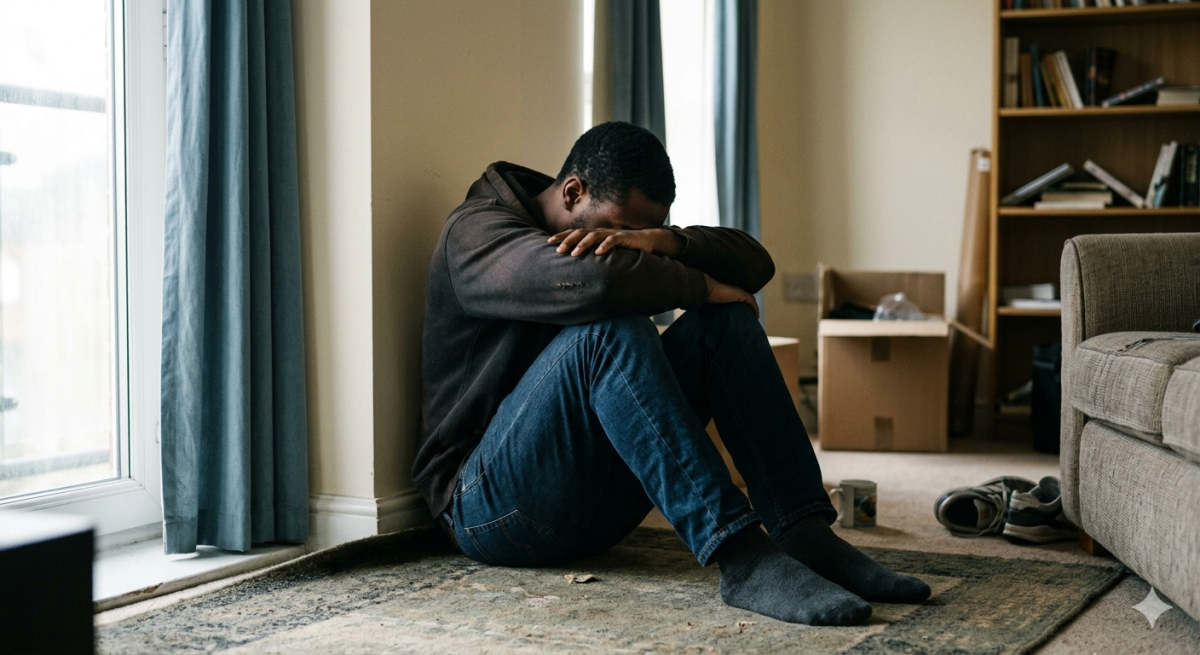
A sociopath, on the other hand, is often thought to be more impulsive and emotionally reactive. Their behaviour may be less controlled, making it more difficult to maintain stable relationships or employment. They may still understand that their actions are wrong but struggle to control their emotions or behaviour.
Experts stress that these descriptions are general observations rather than strict medical categories. The National Health Service (NHS) explains that the official diagnosis remains Antisocial Personality Disorder, with symptoms varying from one individual to another.
How does someone develop these traits?
Researchers believe there is no single cause. Instead, a combination of genetic, environmental, and social factors may contribute to the development of antisocial personality traits.
Childhood experiences such as neglect, abuse, exposure to violence, or unstable family environments have been linked to an increased risk. Genetics may also influence how the brain processes emotions, empathy and decision-making. However, having these risk factors does not mean a person will develop the disorder.
Mental health specialists emphasise that personality disorders usually develop over many years and are influenced by a range of life experiences rather than one specific event.

Can it be treated?
Treating antisocial personality disorder can be challenging because many affected individuals do not believe they need help. Even so, treatment is possible, particularly when someone is willing to engage in therapy.
Psychological therapies can help individuals recognise harmful behaviour, improve emotional regulation and develop healthier ways of relating to others. Support may also focus on managing anger, impulsive behaviour and co-existing mental health conditions such as anxiety or depression.
The World Health Organization (WHO) notes that early access to mental health services and supportive environments can improve overall wellbeing and reduce behaviours that may harm the individual or those around them.
Why understanding matters
Labelling someone as a psychopath or sociopath without proper assessment can be misleading and harmful. Many people display difficult personality traits without meeting the criteria for a personality disorder. At the same time, not everyone diagnosed with Antisocial Personality Disorder becomes violent or commits crimes.
Greater awareness encourages informed conversations about mental health instead of relying on stereotypes. Recognising that these behaviours exist on a complex spectrum helps reduce stigma while promoting early intervention and access to professional care.