Advertisement
Why one in 7 young Kenyans may be struggling mentally
25th May, 2026 01:52 PM
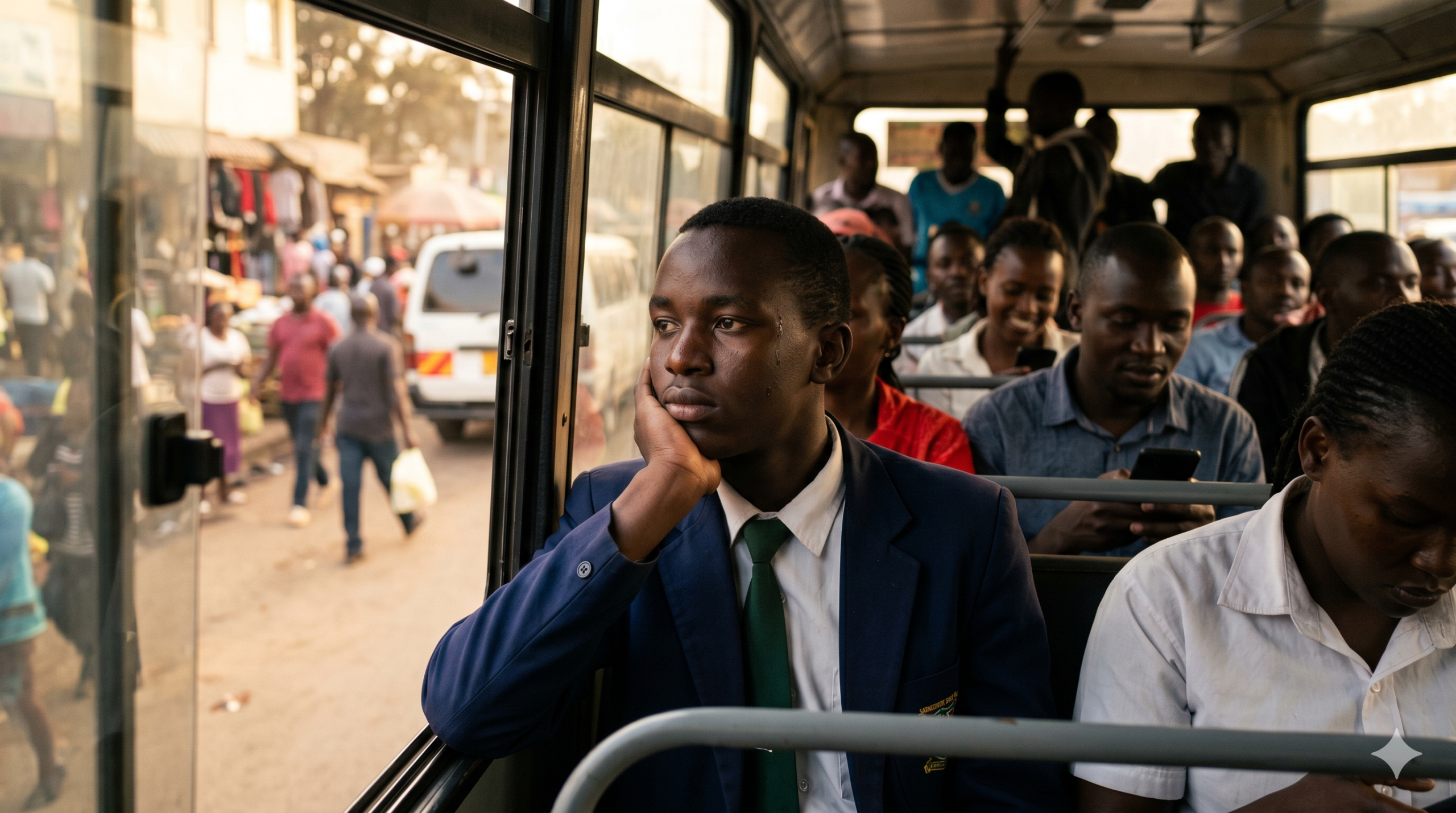
When a young person starts sleeping in late, snapping at family, or pulling away from friends they used to be inseparable from, the adults around them tend to reach for a familiar explanation.
They have an attitude problem. They are lazy. They need to be pushed.
But what looks like bad behaviour is, far more often than most people realise, a mental health condition showing itself the only way it knows how.
Earlier this month, the United Nations marked Mental Health Awareness Month by putting a striking figure on the table: one in seven young people aged 10 to 19 is living with a mental health condition, with anxiety, depression, and behavioural disorders among the most common – yet the signs are frequently missed by the very people best placed to help.
In Kenya, the scale of the problem is significant.
The Ministry of Health estimates that at least 25 per cent of outpatients and 40 per cent of inpatients in Kenyan hospitals are managing a mental health condition – numbers that point to a crisis hiding in classrooms, workplaces, and homes across the country.
The signs hiding in plain sight
A 2025 study published in BMC Psychiatry, drawing on three decades of global disease burden data, makes the problem plain: “Emotional distress may manifest as irritability, academic decline may be misinterpreted as laziness, and social withdrawal might go unnoticed, resulting in delayed diagnosis and treatment.”
For Kenyan parents, teachers, and employers, that description will land with recognition. The student who has stopped doing homework is not necessarily careless, they may be too exhausted by depression to concentrate.
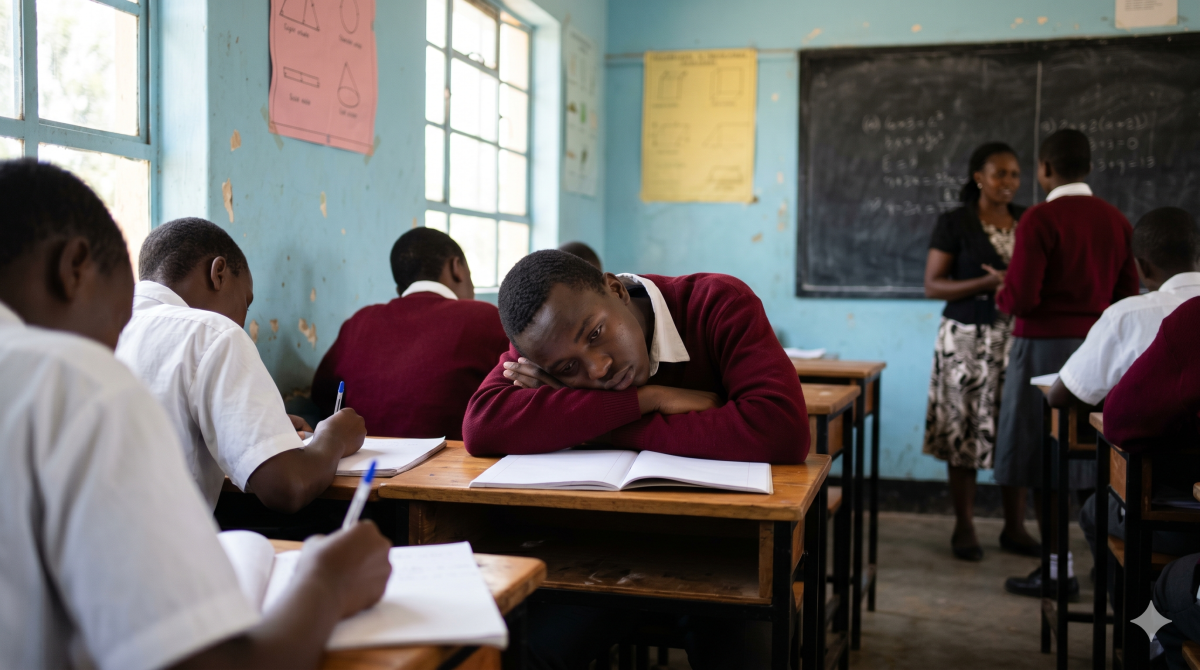
The employee who has gone quiet in meetings is not necessarily disengaged; they may be managing anxiety that depletes them before the working day begins.
The teenager who is suddenly rude and short-tempered is not being difficult – irritability is one of the most common and least recognised presentations of depression in young people.

Trauma deepens the picture further. A young person who has experienced loss, instability at home, or violence may present as detached, reactive, or closed off – all of which can be read as defiance when they are actually signs of distress.
What you can do right now
You do not need a medical background to make a difference. You need to notice the shift. The person who used to laugh who no longer does, the one who used to be present, who has started going quiet.

Ask how they are, and mean it. Leave room for an honest answer. If the change in behaviour has been visible for two weeks or more, that is worth taking seriously. For young people, especially, catching these signs early changes outcomes significantly.