Advertisement
From followers to family: Why online communities matter during life’s hardest moments
22nd September, 2026 01:38 PM
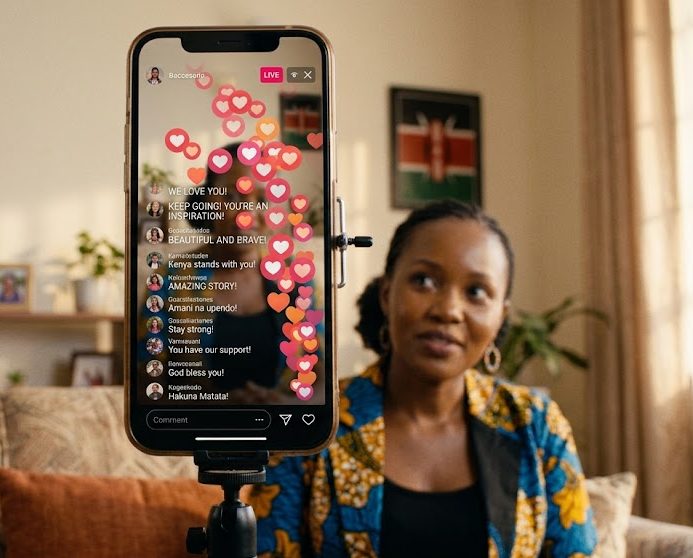
Social media followers were once largely viewed as numbers used to measure a creator’s reach. But as people increasingly share personal experiences online, those numbers can begin to feel like a community, especially when a creator is going through a difficult moment.
This was evident on September 22, 2026, when content creator Hoch Deh thanked his followers for the messages and prayers they sent after he was injured.
He said they had gone to hospital for another check-up and was informed that he was doing well, with doctors identifying muscle injuries. He also noted that he was on medication and expected to recover.
His message highlighted how an online audience can become emotionally invested in a creator’s wellbeing.
From viewers to a community
Creators who consistently share parts of their lives with followers can develop relationships that extend beyond their content. Audiences may follow their careers, celebrate their milestones and become familiar with their personalities and everyday experiences.

That familiarity can make personal setbacks feel more immediate. When a creator shares news about an accident, loss, or difficult experience, followers may respond with messages of encouragement, prayers, and concern.
For the creator, such reactions can provide reassurance during an uncertain period. A message from someone they have never met physically may still remind them that their experiences matter to other people.
The interaction can also strengthen the sense of community that keeps audiences engaged beyond the content itself.
Why people turn to online communities
The speed of social media means support can arrive almost immediately. A single post can reach thousands of people, allowing messages of encouragement to come from different places and at different times.
This can be particularly significant for people who feel isolated or are unable to have their usual support system physically present. Online communities can provide conversation, shared experiences and a sense of belonging.
However, digital support does not necessarily replace close relationships offline. Family members, friends and professionals can provide practical assistance and personal care that an online audience may not be able to offer.
Instead, online communities can become another layer of support alongside existing relationships.
When support crosses the line
The closeness between creators and followers can also create difficult boundaries. Concern can sometimes turn into demands for constant updates, speculation or pressure to reveal private details.
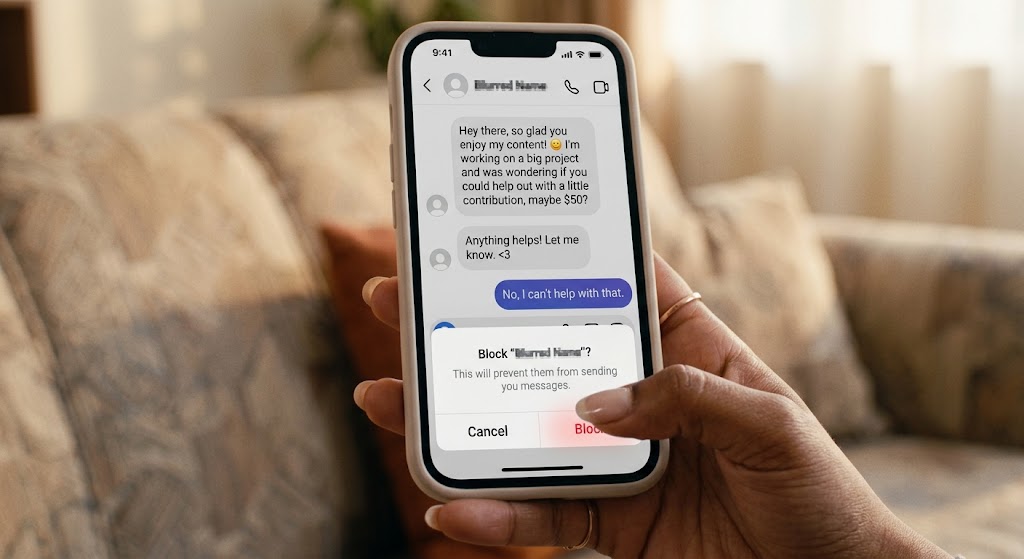
For this reason, supporting someone online may require knowing when to step back. A thoughtful message, prayer or simple check-in can offer comfort without demanding access to every detail of a person’s life.
As social media continues to blur the line between public content and personal experiences, followers are increasingly becoming participants in the moments that matter to creators, not just spectators.