Advertisement
Why some foods taste better when cooked in bigger portions
31st August, 2026 12:53 PM
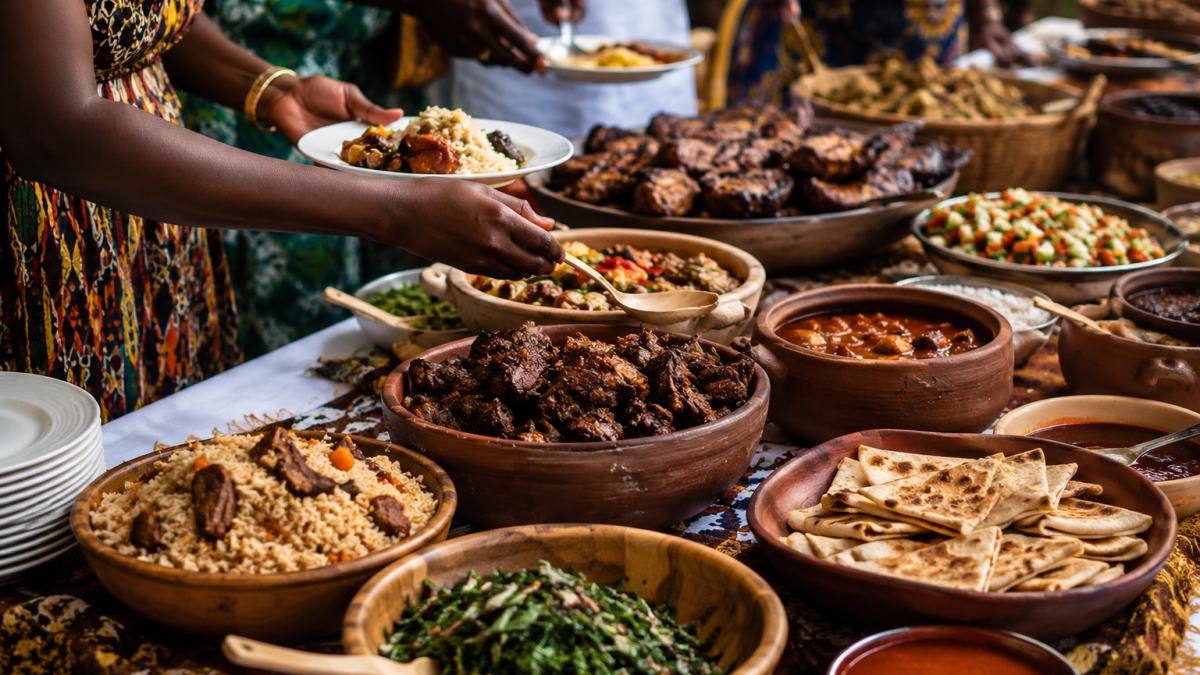
There is something different about food prepared in a large sufuria. Whether it is beef stew, beans, chicken curry or a vegetable dish, meals cooked in bigger quantities can sometimes seem richer and more satisfying than the same recipe prepared in a small pot.
It may sound like an ordinary kitchen observation, but the difference can be linked to how heat, moisture and ingredients interact during cooking.
More ingredients can build deeper flavour
When a large batch of food is prepared, there is usually a greater amount of meat, vegetables, spices, stock and other ingredients cooking together. As the food simmers, flavours from the different ingredients mix and become part of the sauce or broth.
This is particularly noticeable in foods such as stews, soups and curries, where ingredients remain in the same cooking liquid for a longer period.
The way food is heated can affect the compounds responsible for its aroma and flavour. The study on chicken broth found that different heating methods produced noticeable differences in flavour profiles.
The same principle can be seen in everyday cooking. When onions, tomatoes, meat, herbs and spices are allowed to cook together, their individual flavours gradually become less distinct while the overall dish develops a more rounded taste.
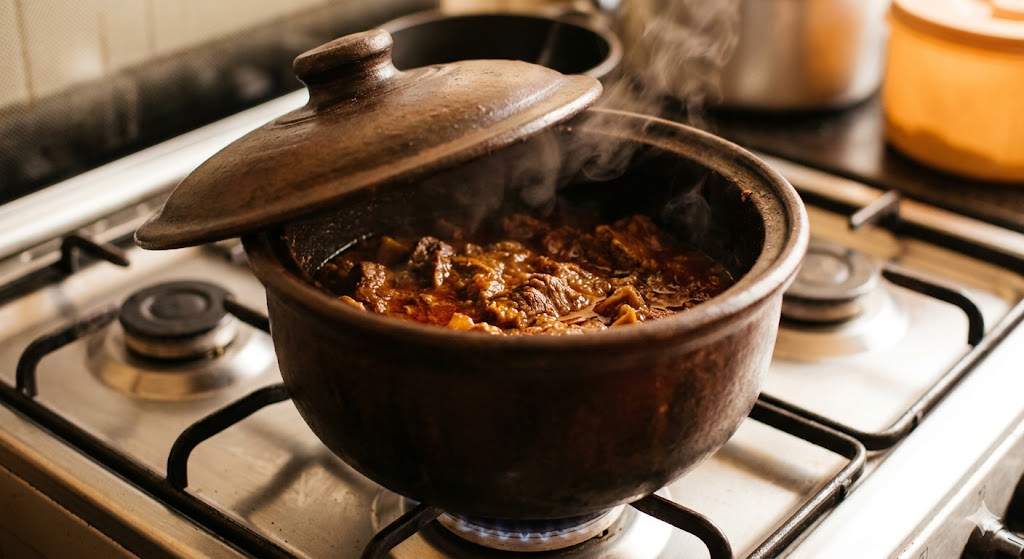
A larger pot can hold heat differently
The amount of food in a cooking pot also changes how heat moves through the meal. A bigger batch has more ingredients holding heat, which can help maintain a steady simmer once the food reaches the right temperature.
This matters for dishes that need slow cooking. Meat, beans, and some vegetables become softer as they cook for longer, while the cooking liquid can gradually take on more flavour.
However, bigger does not automatically mean better. A very full pot can take longer to heat and may cook unevenly if it is not stirred properly. The size of the pot, the amount of liquid and the cooking temperature all have to work together.
Slow cooking gives flavours time to develop
Some of the strongest examples are dishes that are traditionally cooked slowly. Beans, beef stew, chicken curry and tomato-based sauces often benefit from extended cooking because heat gives ingredients time to soften and release flavour.
Cooking also causes chemical changes that create new aromas. The Maillard reaction, for example, occurs when amino acids and sugars react under heat, producing many of the flavours and aromas associated with browned foods such as roasted meat and toasted bread.
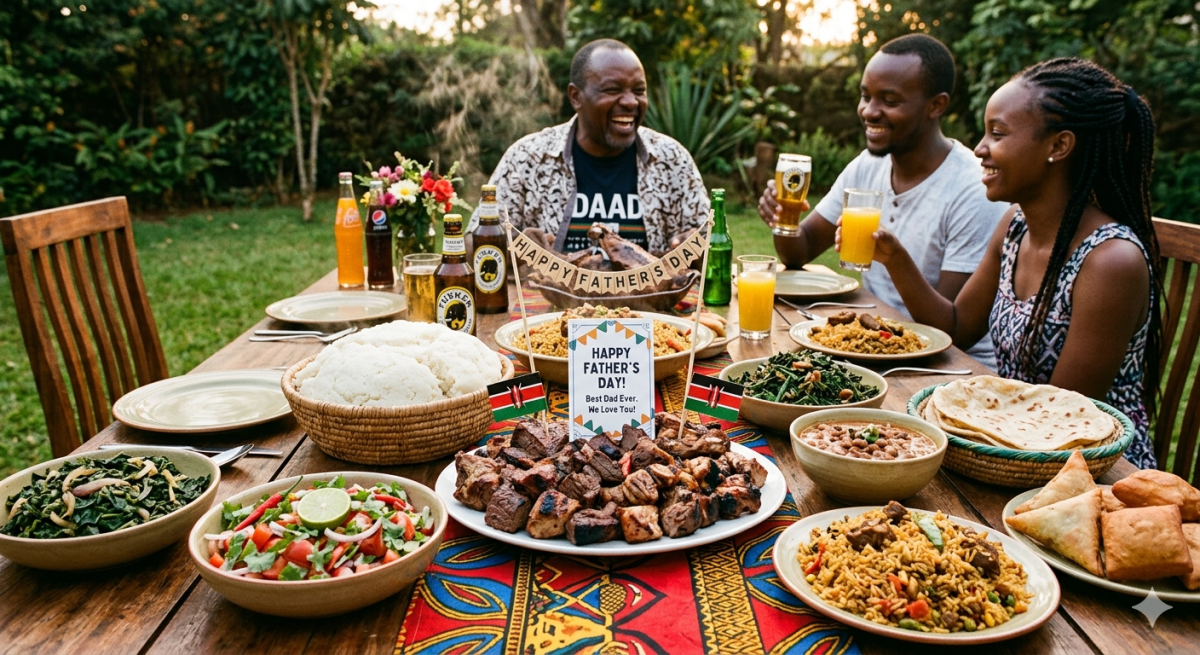
For this reason, browning ingredients before adding liquid can make a noticeable difference, even when preparing a large meal.
Why leftovers can taste even better
The flavour of a large batch may also seem better after it has rested. When a stew or curry cools and is later reheated, the ingredients have more time to sit together, allowing the sauce and other components to blend.
This is one reason dishes such as stews, curries and some bean dishes are often enjoyed the following day.
Research examining beef stew found that different forms of reheating could affect sensory quality, showing that how a cooked dish is handled after preparation can influence how it tastes.
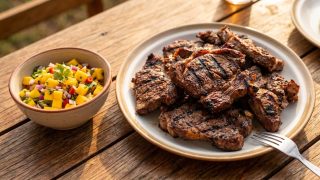
Still, not every food improves when prepared in large quantities. Fried foods, grilled meat, and some vegetables depend heavily on direct heat and surface browning, so overcrowding a pan can actually make them less appealing.
Ultimately, the reason large-batch meals can taste better is not simply because there is more food in the pot. It is the combination of ingredients, steady heat, cooking time, moisture and the way flavours develop together.