Advertisement
Foods that could ruin your job interview
20th May, 2026 04:09 PM
You have prepped your answers, ironed your outfit, and printed three copies of your CV.
But what you eat in the hours before a job interview (or any high-stakes meeting) can quietly undo everything else you have done right.
Food affects how clearly you think, how calm you feel, and how your body behaves when the pressure is on. Here are the foods research and nutritionists flag as the worst choices before a big moment.
Heavy carbs and dairy set you up to crash
A large plate of ugali, white rice, or pasta before an important meeting feels satisfying, but it triggers a sharp spike in blood glucose followed by a crash, and that crash hits your brain hard.
A 2023 study published in The American Journal of Clinical Nutrition found that “poor glucose regulation in the immediate postprandial period” is directly associated with impairments in cognitive function, noting that high-glycaemic meals produce greater variability in blood sugar and leave the brain with less stable fuel to work with.
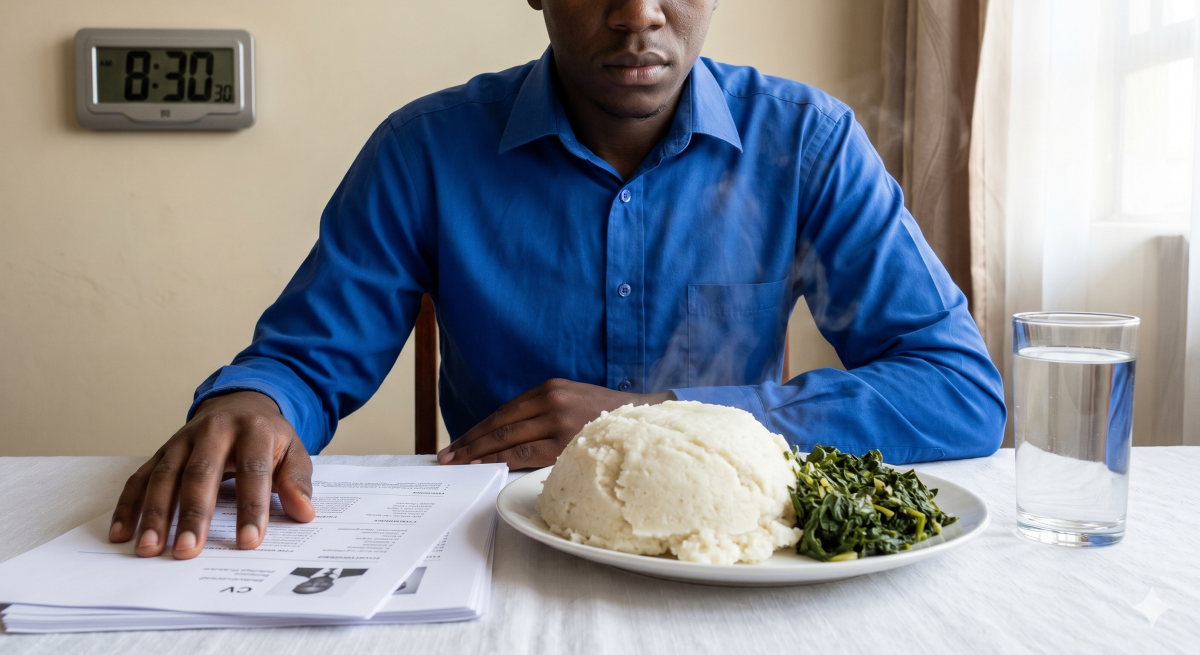
The result is that sluggish, foggy feeling that tends to set in roughly 30 to 90 minutes after a heavy starchy meal – right when you might be sitting across from an interviewer.
Dairy can compound the problem in a different way. Full-fat milk, cheese, and cream-heavy dishes are high in fat and slow to digest, which often causes bloating and general physical discomfort.
A milky tea or a bowl of githeri (maize and bean stew) cooked in a heavy sauce is a risk you do not need. Plain yoghurt in moderate amounts is generally fine.
Fizzy drinks and too much coffee make things worse
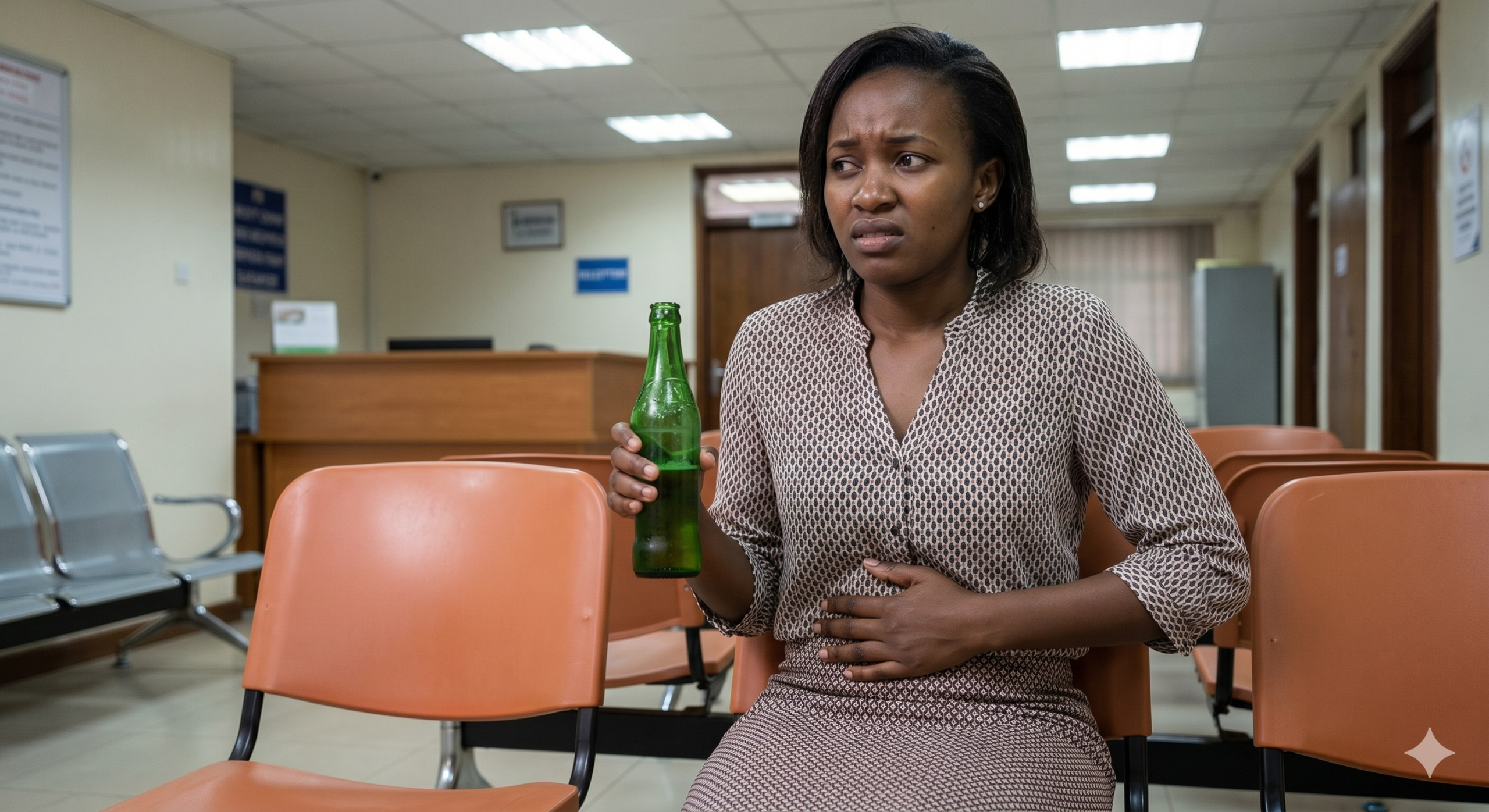
Carbonated drinks (sodas, sparkling water, energy drinks) introduce gas into the digestive system, leading to bloating and belching during an already nerve-wracking situation. Even the “healthier” sparkling waters carry this risk if consumed right before you walk in.
Caffeine is trickier. One cup of coffee can sharpen focus and lift alertness. But going beyond that is where things turn against you.
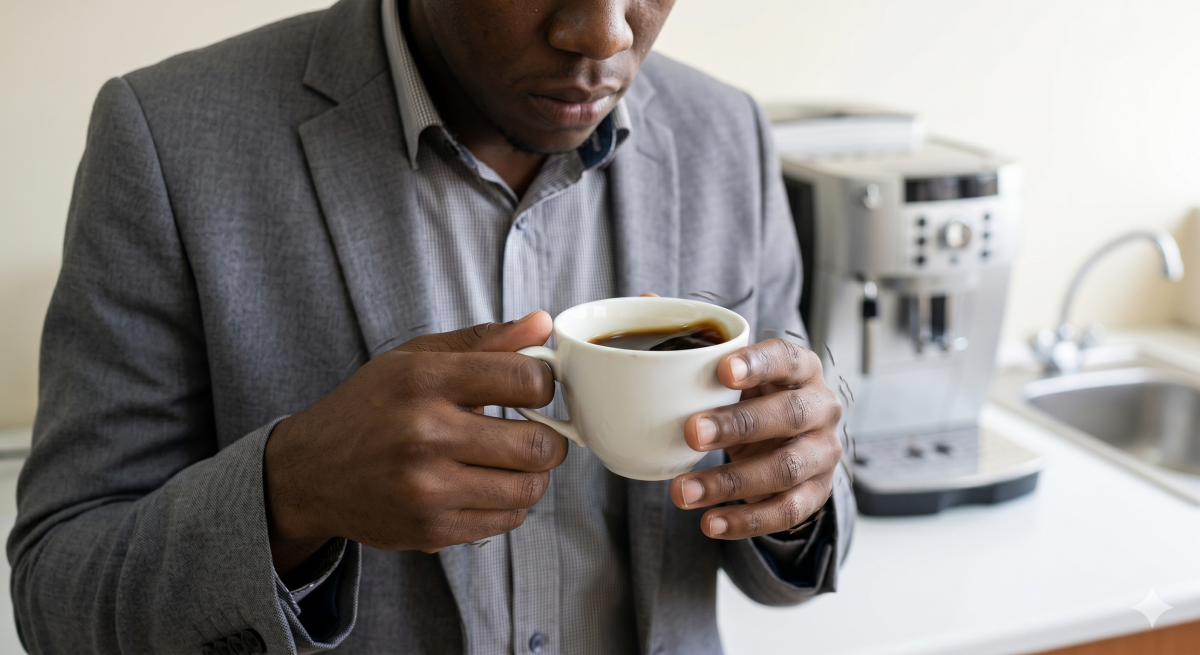
A 2025 review published in Frontiers in Psychiatry found that high doses of caffeine “not only result in a general increase in anxiety over time, but also other symptoms: nervousness, tension, alertness and reduced calm and fatigue”, which are exactly the feelings you are trying to manage, not amplify.
The people most at risk are those who reach for a second or third cup to steady their nerves, not realising caffeine is doing the opposite. If coffee already makes you jittery on a regular day, cut it entirely on interview day.
What to eat instead
Opt for a light, balanced meal two to three hours before the interview: eggs, whole grain toast, avocado, or a small portion of oats.
These release glucose slowly, keeping your brain sharp without the spike and crash. Drink plain water consistently, and if you want caffeine, keep it to one cup paired with food to slow absorption.