Advertisement
How to dress well for an interview, things not to wear and why
15th April, 2026 01:04 AM
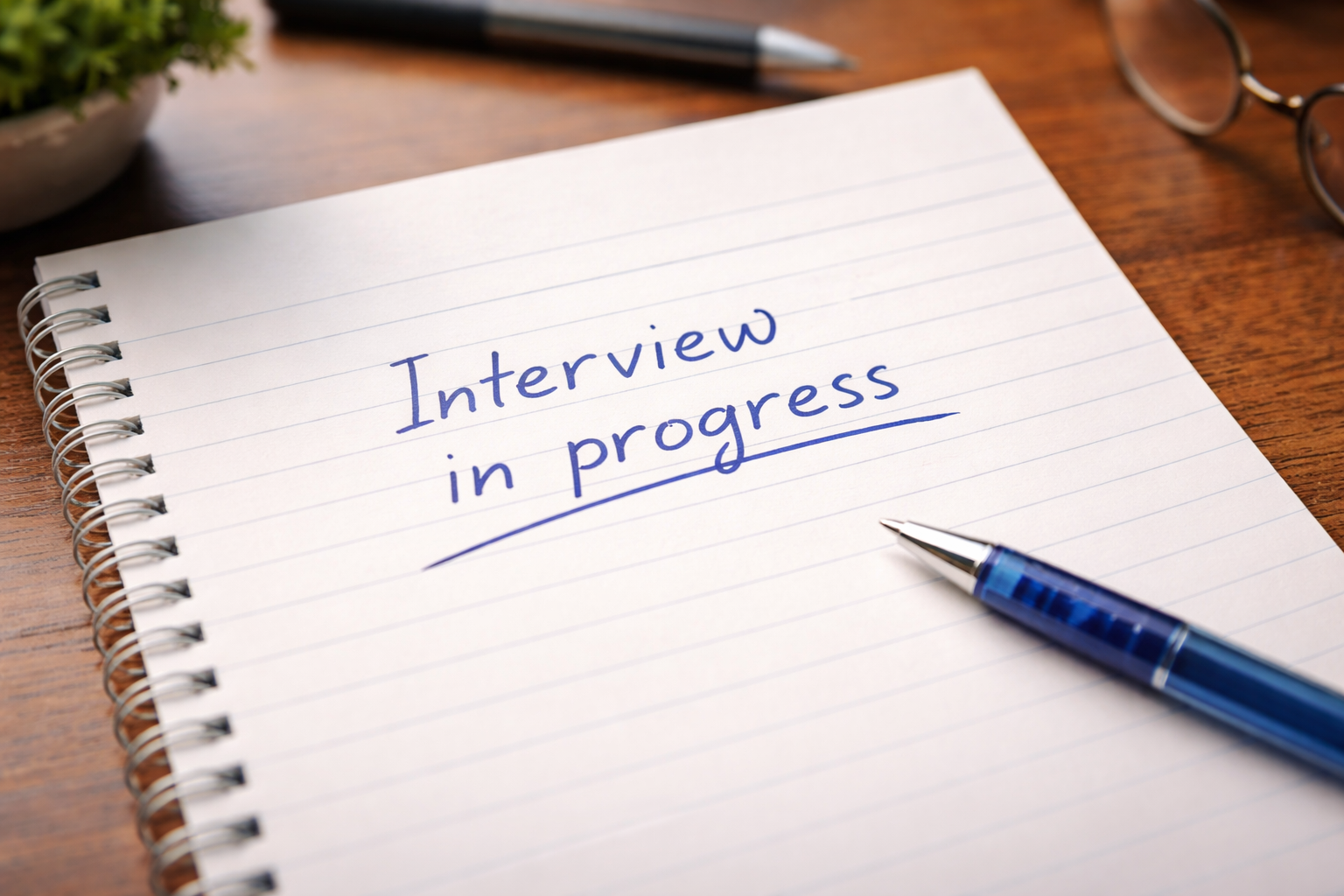
Many people prepare answers for interviews, but forget one thing that speaks before they do: appearance.
Before you greet the panel or sit down, the way you present yourself has already created an impression.
That does not mean clothes are more important than skills. It simply means dressing well can help people focus on your strengths instead of your mistakes.
The good news is that interview dressing is not about expensive labels or trying too hard. It is about looking neat, sensible and ready for work.
Start with clean and simple clothes
The safest choice for most interviews is always neat, clean and simple clothing.
A well-ironed shirt, smart blouse, clean trousers, modest dress or tidy shoes can do more for you than flashy fashion.
You do not need to look like you are going to a wedding. You need to look like someone who can be trusted in a professional setting.
If clothes fit properly and feel comfortable, you will also move better and feel more confident.
Avoid shouting colours
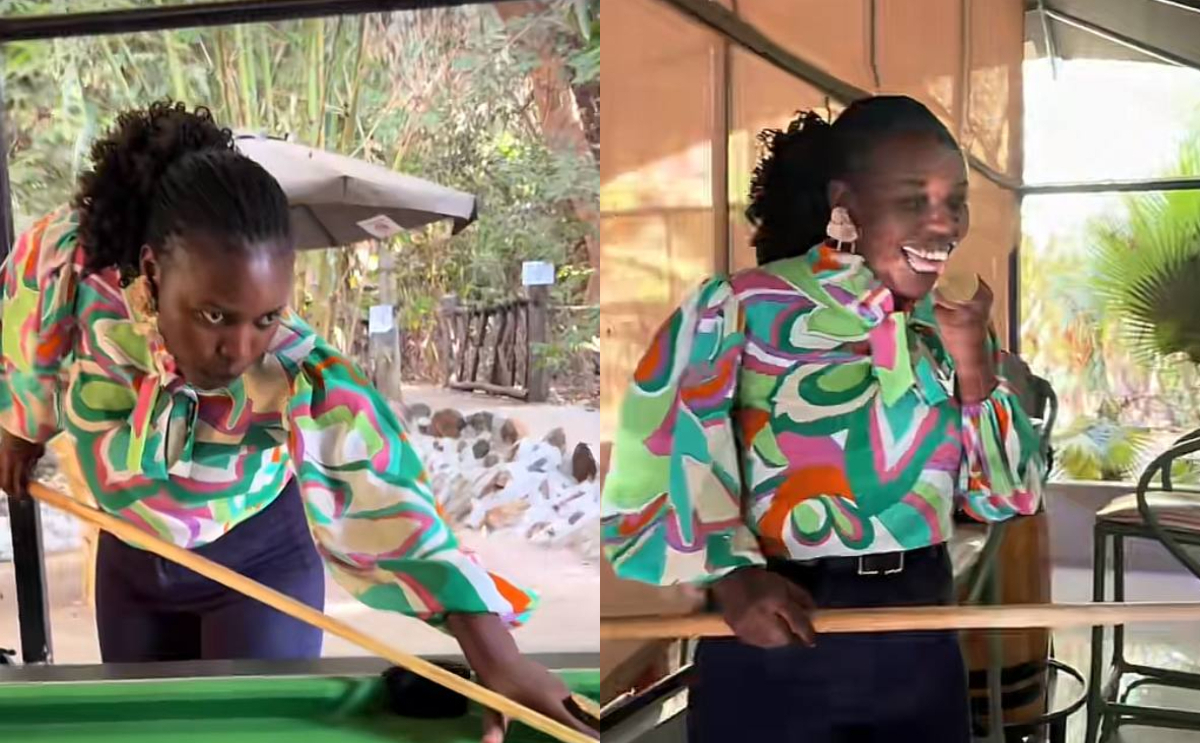
Some colours attract too much attention for the wrong reasons. Very bright neon shades, harsh combinations or loud prints can enter the room before you do.
The interviewer should remember your ideas, not your glowing jacket or overly bright shirt.
Calm colours usually work better. Navy, black, grey, white, cream, brown and soft blue are often safe choices.
They look organised and mature without trying too hard.
Be careful with revealing clothes
An interview is not a party or social event. Clothing that is too short, too tight, too low or too transparent can become a distraction.
When you keep adjusting your top, pulling your skirt down or worrying about coverage, your confidence drops.
Comfortable, decent clothing helps you stay focused on the conversation.
The aim is to feel secure, not self-conscious.
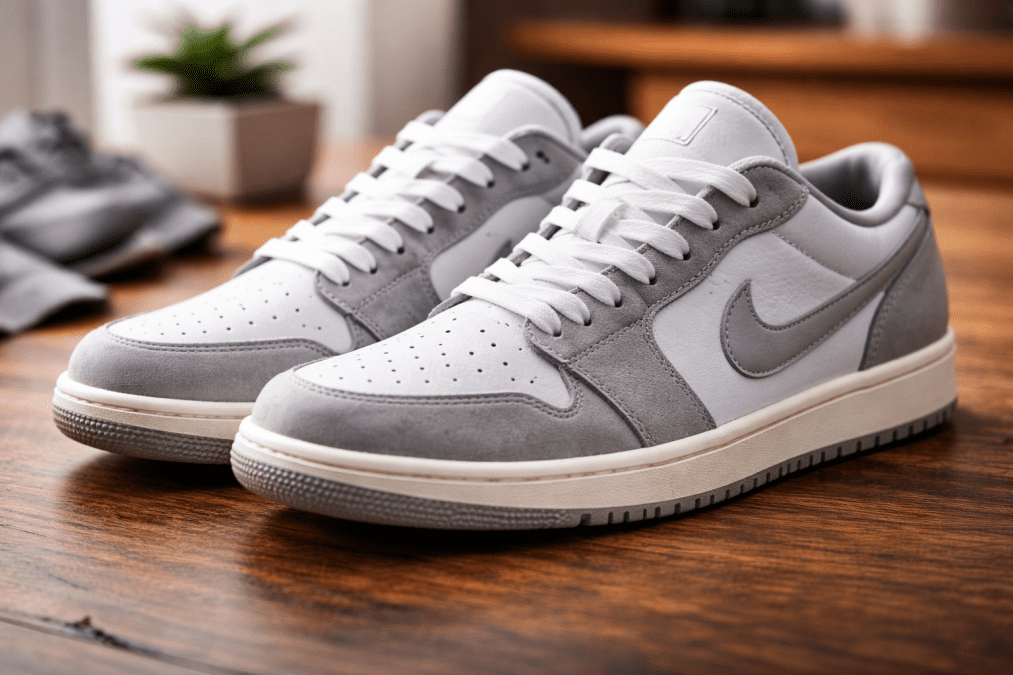
Shoes still matter
Many candidates dress well from head to ankle and forget their shoes. Yet people notice them.
Dirty sneakers, worn-out slippers or damaged shoes can spoil an otherwise smart look. Clean, simple and polished shoes are usually the better option.
They do not need to be expensive. They only need to look cared for.
Keep accessories under control
A watch, simple earrings, a neat belt or a clean bag can complete your look. Too many accessories can do the opposite.
Very strong perfume, noisy jewellery or anything distracting can make the wrong statement. Less is often better.
Dress for the workplace
Not every job expects the same style. A corporate office may expect formal dressing.
A creative workplace may be more relaxed. A hotel, school or front desk role may expect a polished customer-facing look.
If you are unsure, dress slightly smarter than average. It is usually safer to be a little overdressed than too casual.
What to avoid completely
Clothes with rude messages
Wrinkled outfits
Strong perfume
Flip-flops
Overly casual sportswear
Dirty shoes
Very bright, shouting colours
Revealing outfits
Anything uncomfortable
Takeway
Good interview dressing is not about pretending to be someone else.
It is about showing respect for the opportunity and giving yourself the best chance.
When your appearance is neat and balanced, people pay attention to your words, your confidence and your potential. That is what you want them to remember.