Advertisement
Common cooking habits that are spoiling your food
02nd June, 2026 01:21 AM
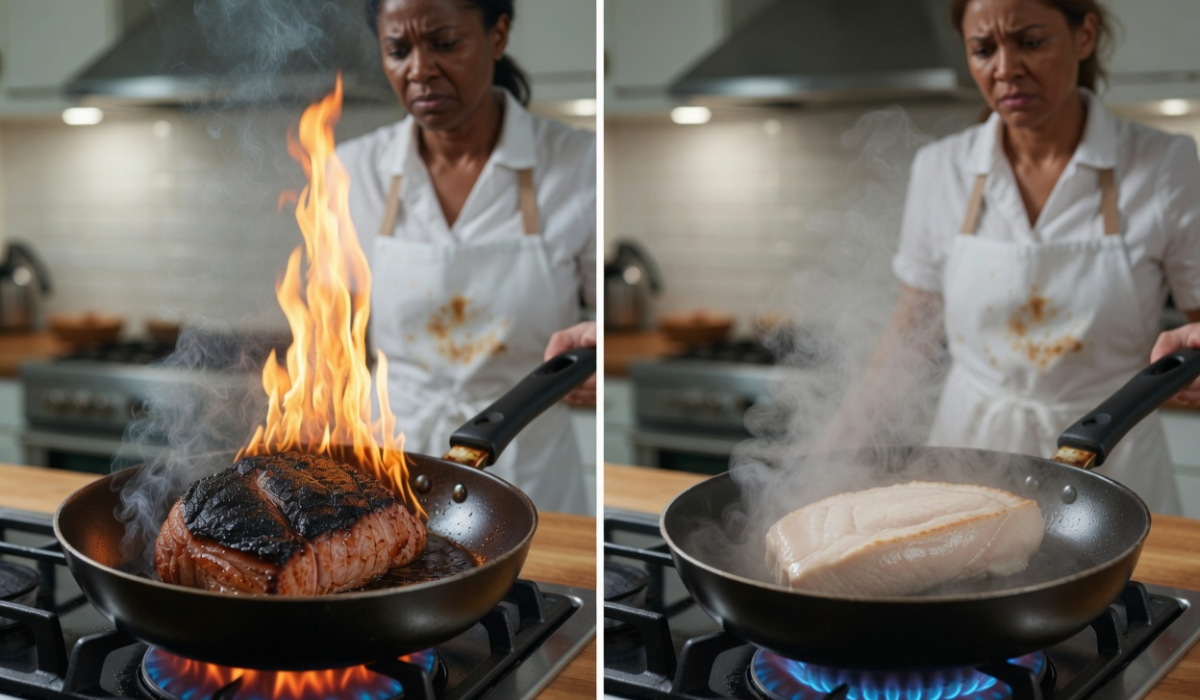
Cooking at home can be simple, enjoyable, and rewarding, but many people unknowingly develop habits that affect the taste, texture, and overall quality of their food.
These small mistakes often go unnoticed, yet they can be the reason a meal does not turn out as expected. From seasoning issues to poor timing, these habits can spoil even the best ingredients.
Understanding them can help improve your cooking and make your meals more enjoyable.
Below are some of the most common cooking habits that are spoiling your food and how they affect your results in the kitchen.
1. Over-seasoning or under-seasoning
One of the biggest mistakes in cooking is getting the seasoning wrong. Some people add too much salt or spices too early, which can overpower the dish. Others add too little, leaving food bland and unappetising.
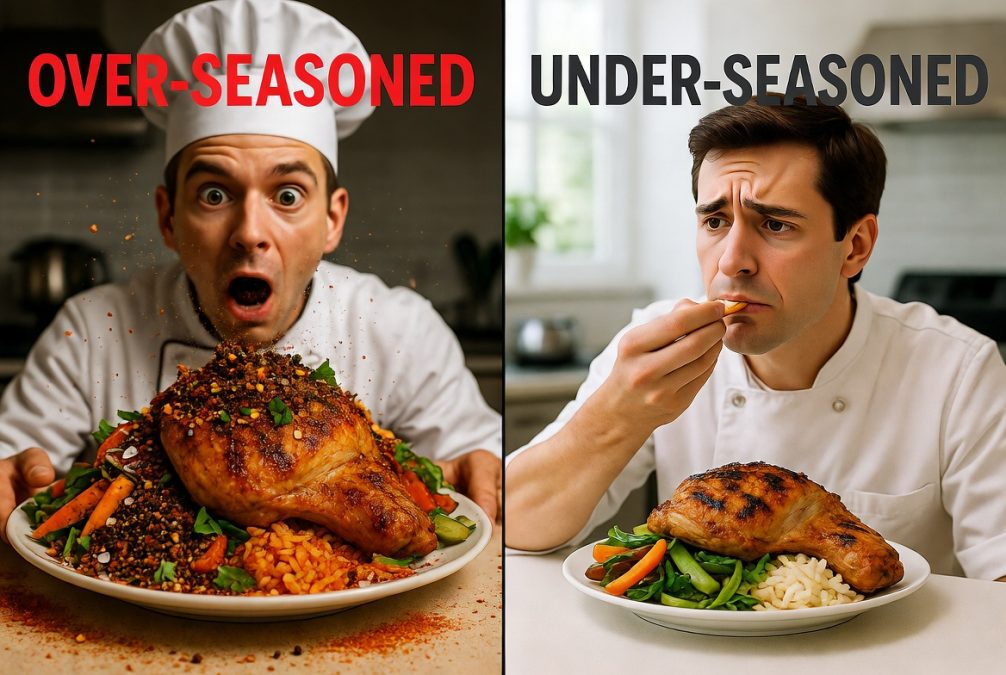
Proper seasoning should be balanced and adjusted gradually as you cook. Tasting your food during preparation helps you avoid this mistake and build better flavour.
2. Not preheating the pan or oven
Skipping preheating is a common habit that affects cooking results. When food is placed in a cold pan or oven, it does not cook evenly. This can lead to soggy textures, uneven browning, or longer cooking times.
Preheating ensures that food starts cooking at the right temperature immediately, improving both taste and texture.
3. Overcrowding the pan
Putting too much food in a pan at once is another mistake that affects quality.
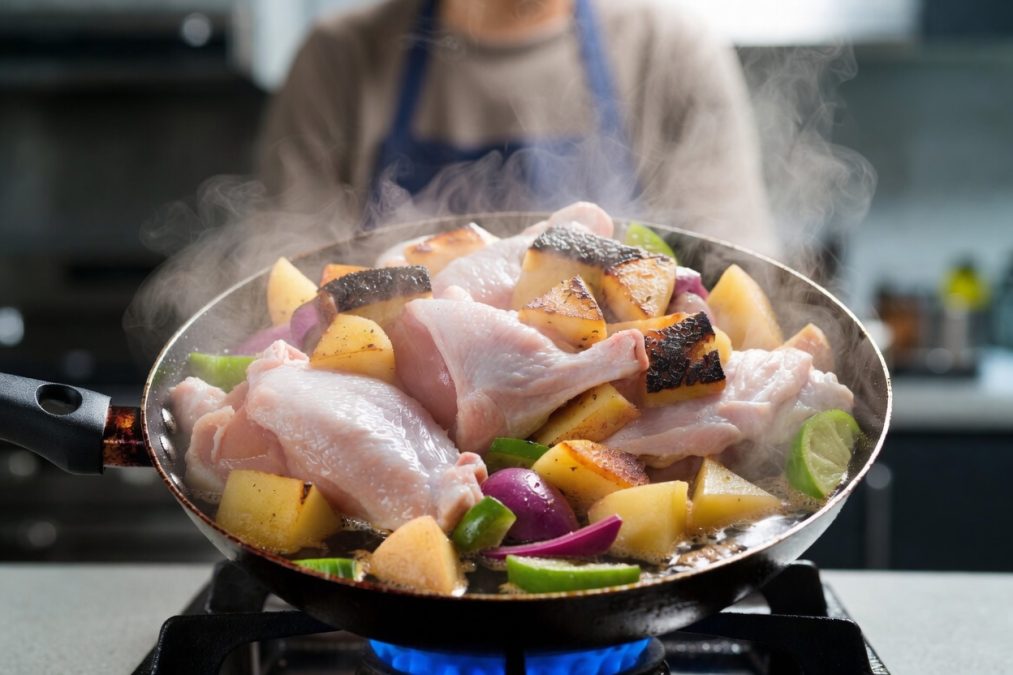
When the pan is overcrowded, food tends to steam instead of fry or sear. This reduces flavour and prevents proper browning. Cooking in smaller batches allows heat to circulate properly and gives food a better texture and colour.
4. Using the wrong heat level
Many people either cook everything on high heat or leave it too low. Both extremes can spoil food. High heat can burn the outside while leaving the inside undercooked, while low heat can make food soggy or dull.
Learning to adjust the heat based on the type of food is important for balanced cooking and better results.
5. Not letting food rest
Another overlooked habit is serving food immediately after cooking. Meats, for example, need time to rest so the juices can redistribute. Cutting or serving too early can make food dry and less flavorful. Allowing a few minutes of resting time improves texture and taste significantly.
Small habits in the kitchen can make a big difference in the final result of your meals. Many cooking problems are not caused by ingredients but by how they are handled during preparation.
By avoiding over-seasoning, preheating properly, avoiding overcrowded pans, using the right heat, and allowing food to rest, you can greatly improve your cooking. These simple changes can turn ordinary meals into well-prepared, tasty dishes. Good cooking is not just about recipes, but also about the small habits that shape every step in the process.