Advertisement
Foods that keep the body warm during cold weather
01st June, 2026 11:18 AM
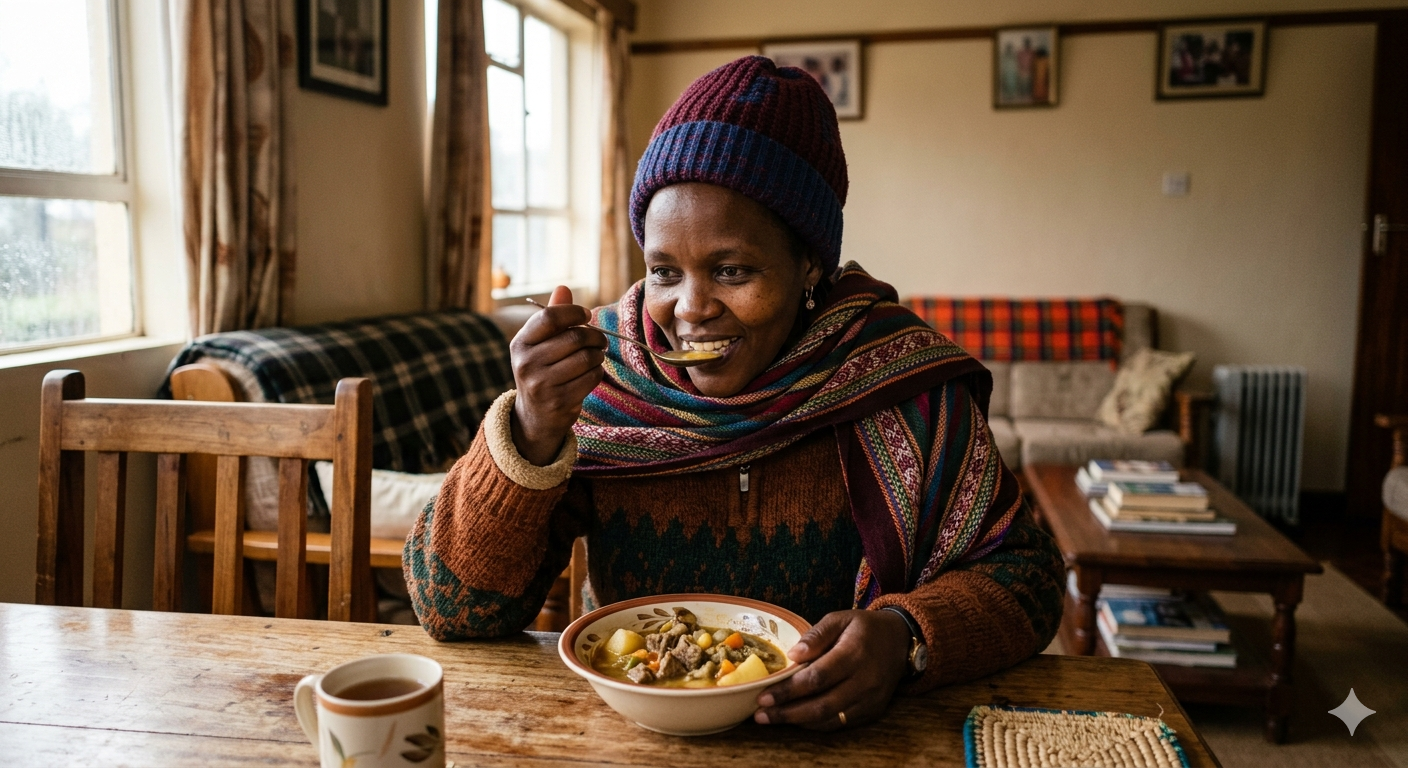
When temperatures change, especially in Nairobi and Kenya’s highland regions, the body quietly works harder than usual to maintain its normal internal temperature.
This is why people often feel hungrier, crave hot meals, and lean toward heavier dishes during cold weather. It is not just comfort; it is the body responding to a need for energy and warmth.
Food plays a direct role in how the body generates heat. Through digestion, metabolism increases, and in the process, heat is released. This is why what people eat during cold seasons can influence how warm or sluggish they feel throughout the day.
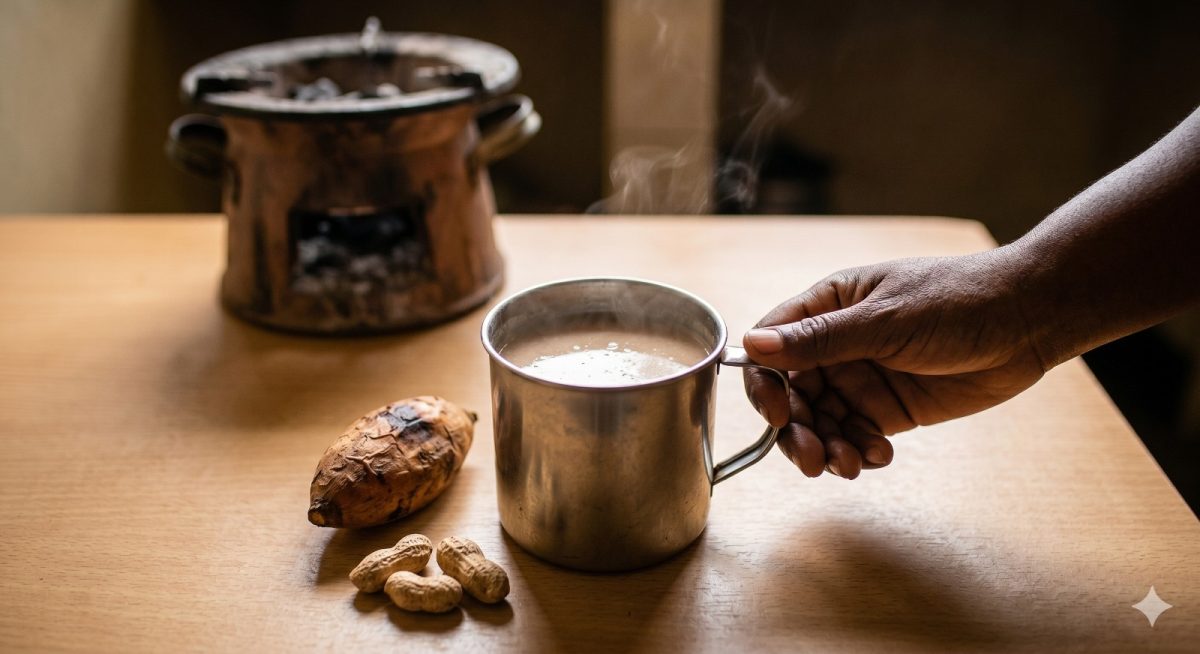
Why the body crave more food during cold weather
Cold weather triggers a natural response in the body known as thermoregulation. The body burns more energy to maintain its core temperature, which can lead to increased appetite. This is why warm, filling meals become more appealing than light snacks.
According to the World Health Organisation (WHO), energy needs may slightly increase in colder environments as the body uses more calories to stay warm. This does not mean eating excessively, but rather choosing foods that provide sustained energy and warmth.
In many Kenyan households, this is reflected in the shift toward porridge in the morning, thicker meals in the evening, and warm drinks throughout the day.
Foods that support natural body warmth
Certain foods are known to support heat production in the body more effectively than others. These are usually foods that take longer to digest or stimulate circulation.
Starchy foods such as sweet potatoes, arrowroots, yams, and ugali made from maize or millet are commonly consumed. These foods release energy slowly, helping the body stay warm for longer periods.
Soups and stews also play a major role. A hot bowl of vegetable or meat soup does not just warm the body instantly; it also helps with hydration, which is often overlooked during cold weather. Dehydration can make the body feel colder and more fatigued.

A review from the Public Health noted that warm, nutrient-rich fluids support both digestion and circulation, which contributes to a steady internal temperature.
Protein-rich foods like eggs, beans, lentils, and meat also support warmth because protein digestion requires more energy, increasing metabolic activity.
Spices, warm drinks, and comfort
Spices are often the quiet heroes of cold-weather nutrition. Ginger, garlic, turmeric, and black pepper are commonly used in Kenyan kitchens, not only for flavour but also for their warming properties.
Ginger, in particular, is widely consumed in tea during cold mornings and evenings. It creates a warming sensation in the body and may support circulation.

As noted in a Healthline nutrition report, “Ginger may help generate a warming effect in the body by stimulating circulation and metabolic activity.”
Warm beverages such as tea, milk, and herbal infusions also help the body maintain heat. Beyond physical warmth, they provide a calming effect, which is often needed during colder, slower days.
Cold weather not only changes what people wear, it also influences what they eat. From steaming bowls of soup to simple cups of ginger tea, everyday foods quietly help the body adapt to changing temperatures. Choosing warm, nutrient-rich meals is not just tradition; it is a natural way of supporting the body’s need for balance during colder days.