Advertisement
How to make rich, flavoured food sauce without using store-bought cubes
20th May, 2026 10:09 AM
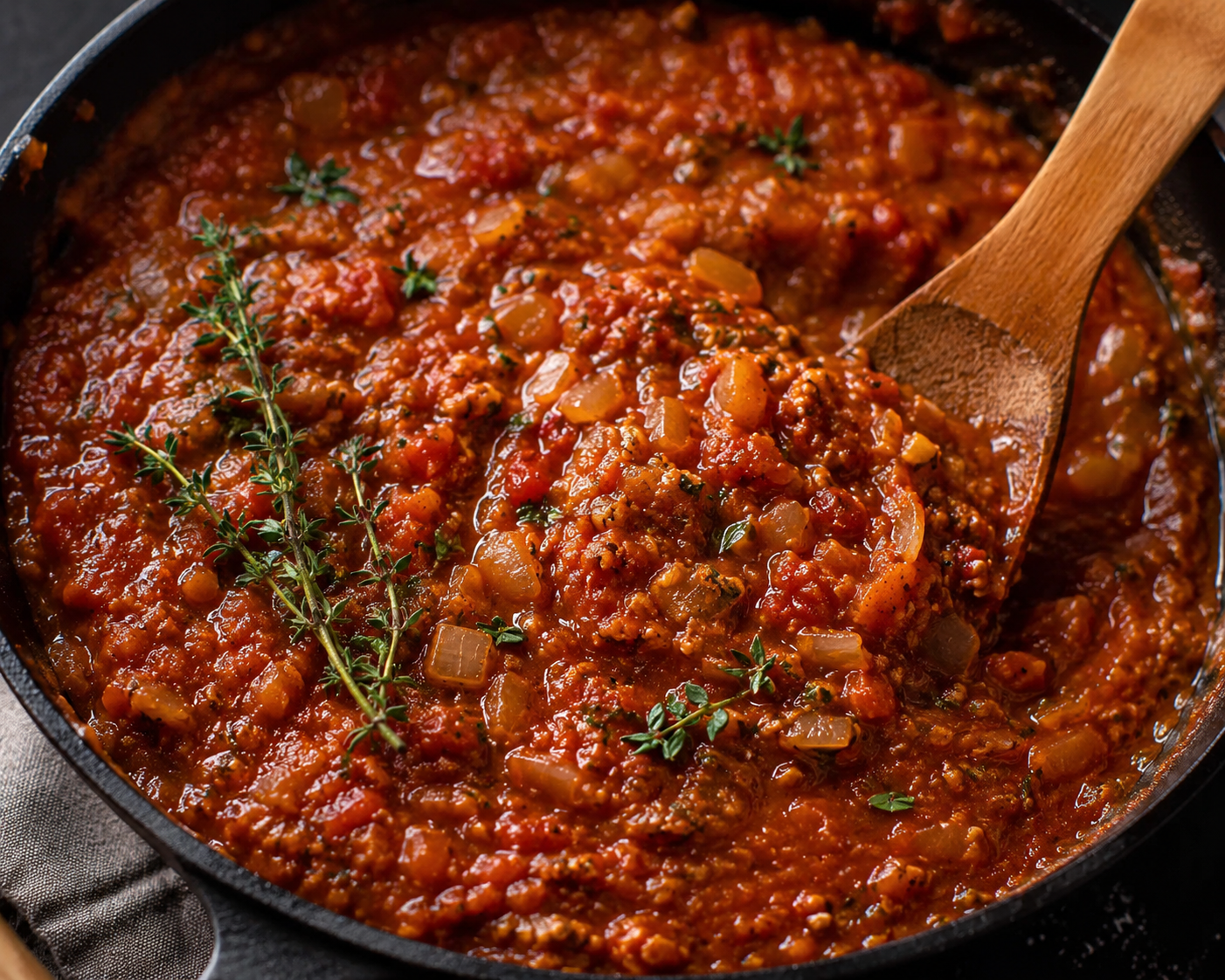
In many kitchens, the secret to a tasty meal often seems to lie in stock cubes. They are quick, affordable, and widely used. But nutrition and culinary experts have increasingly encouraged a return to natural seasoning methods that bring out deeper flavours without relying on processed additives.
According to the World Health Organisation (WHO), reducing excessive sodium intake is key to improving long-term heart health, and many seasoning cubes contain high levels of salt and flavour enhancers. The good news is that a rich, satisfying sauce can still be achieved using simple, everyday ingredients found in most homes.
Building flavour from fresh ingredients
A strong sauce begins with a solid base. Fresh onions, garlic, ginger, tomatoes, and herbs form the foundation of natural flavour. When these ingredients are slowly sautéed, they release natural sugars that deepen the taste without artificial enhancers. Herbs and spices not only improve flavour but also contain beneficial plant compounds that support overall wellness.
A basic method involves frying onions until golden, adding crushed garlic and ginger, then allowing tomatoes to cook down into a thick paste. At this stage, spices like paprika, black pepper, coriander, or turmeric can be added for warmth and depth. A culinary nutrition guide from the Food and Agriculture Organisation emphasised that layering ingredients gradually helps build complexity in sauces naturally.
“Real flavour is built, not added. When ingredients are given time to cook properly, they release their own richness,” a nutritionist stated.
Slow cooking for natural depth
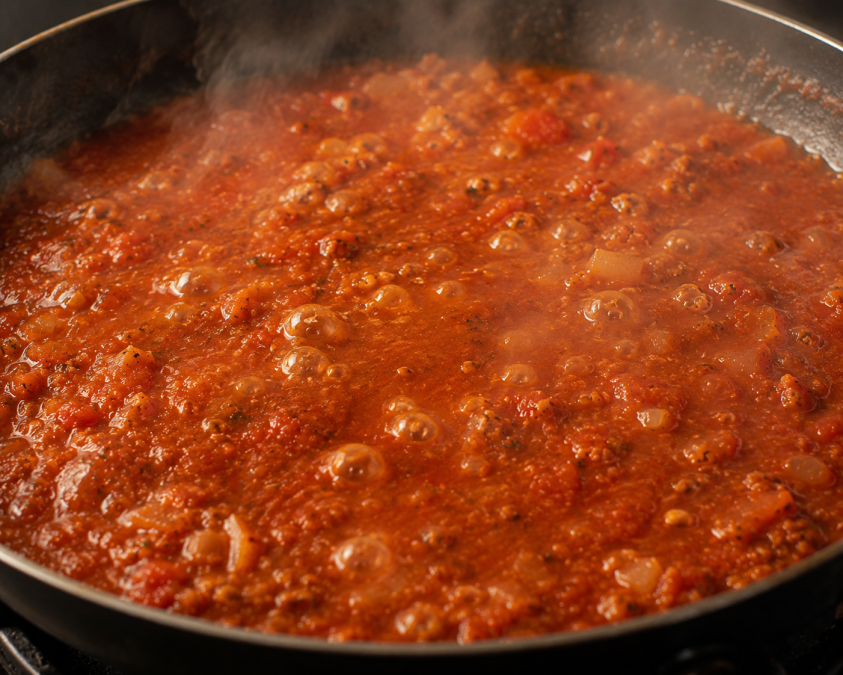
Patience plays a key role in achieving a rich sauce. Slow simmering allows ingredients to blend fully, creating a thick and flavourful base without the need for artificial cubes. Adding a small amount of meat stock, vegetable stock made from boiled scraps, or even mushroom broth can further enhance the taste naturally.
Slow cooking also improves texture, making sauces smoother and more balanced. A splash of oil or butter at the end can help round off the flavour, giving the sauce a restaurant-style finish without processed seasoning.
Balancing seasoning without additives
Instead of relying on cubes, natural salt sources like a pinch of sea salt or soy sauce can be used sparingly.
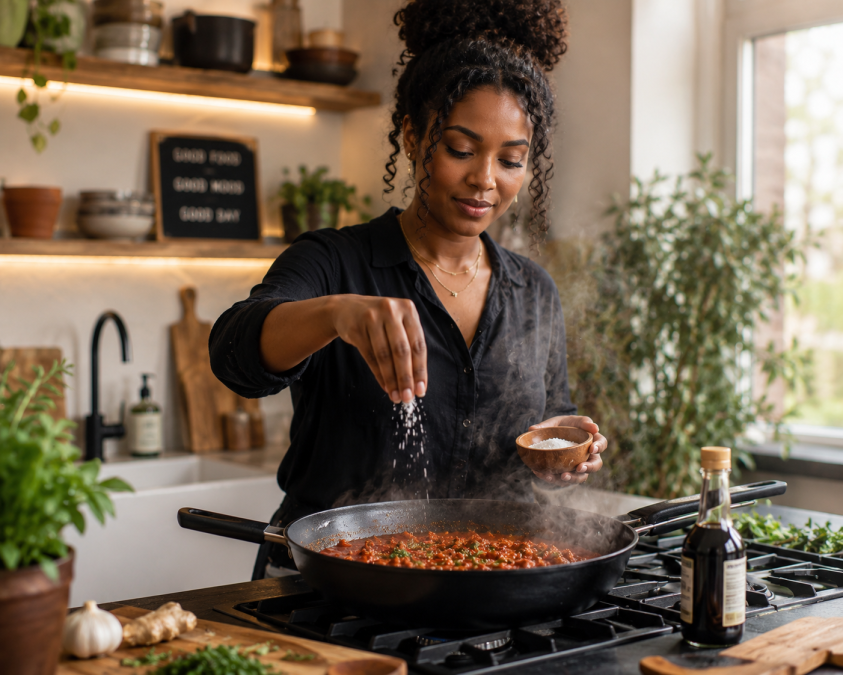
Lemon juice or vinegar can brighten flavours, while fresh herbs like dhania (coriander leaves) add freshness at the end of cooking. Moderation is key when seasoning food to avoid overwhelming the natural taste of ingredients.
Taste testing throughout cooking is important. Small adjustments of salt, spice, or acidity help achieve balance without overpowering the dish. This approach ensures the sauce remains wholesome while still rich and satisfying.