Advertisement
Benefits of camel milk, but how is it different from cow milk?
01st June, 2026 07:45 AM
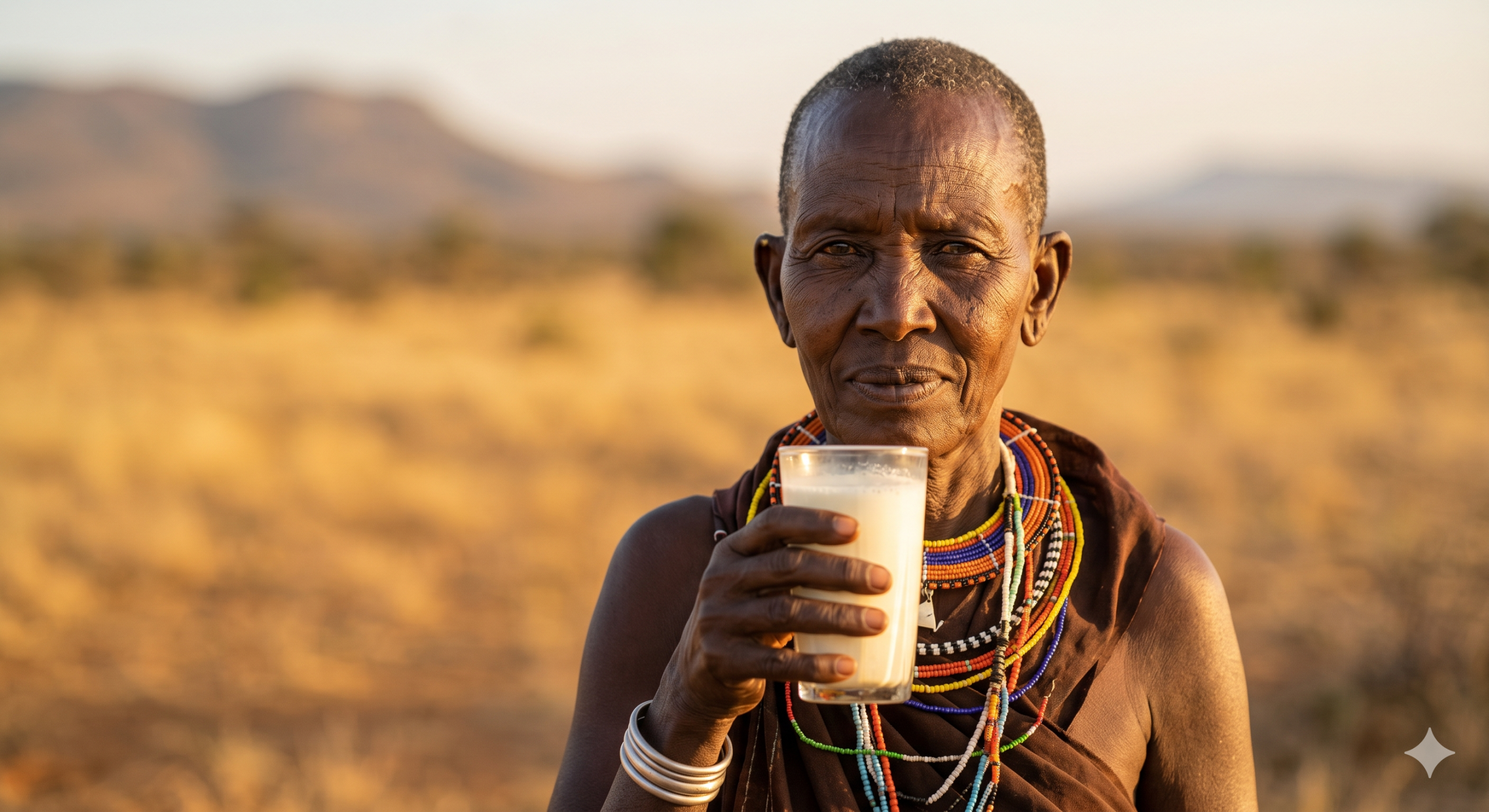
In the dry counties of northern Kenya, a morning glass of camel milk is not a wellness trend.
For the Turkana, Gabbra, Rendile, and Somali communities who have herded camels across Kenya’s arid rangelands for generations, it is simply breakfast. But what these communities have practised for centuries, researchers are now putting numbers to, and the figures are striking.
Kenya is the world’s leading camel milk producer, generating 1.165 million metric tonnes annually, ahead of Somalia and Mali.
The bulk of this production comes from counties like Mandera, Wajir, Garissa, Marsabit, Isiolo, and Samburu, where pastoral communities, including the Turkana, Gabbra, Somali, and Rendile, are the key players.
What makes camel milk different
Compared to cow’s milk, camel’s milk carries less fat and lower cholesterol, higher concentrations of vitamin C, and more iron.
A December 2024 review published in Applied Food Research described it as “low in lactose, fat, and cholesterol while offering high levels of vitamin C, immunoglobulins, and other bioactives, making it a suitable option for individuals with allergies or intolerances to bovine milk.”
That is particularly relevant in a country where gut illness and respiratory infections remain a burden on household health.
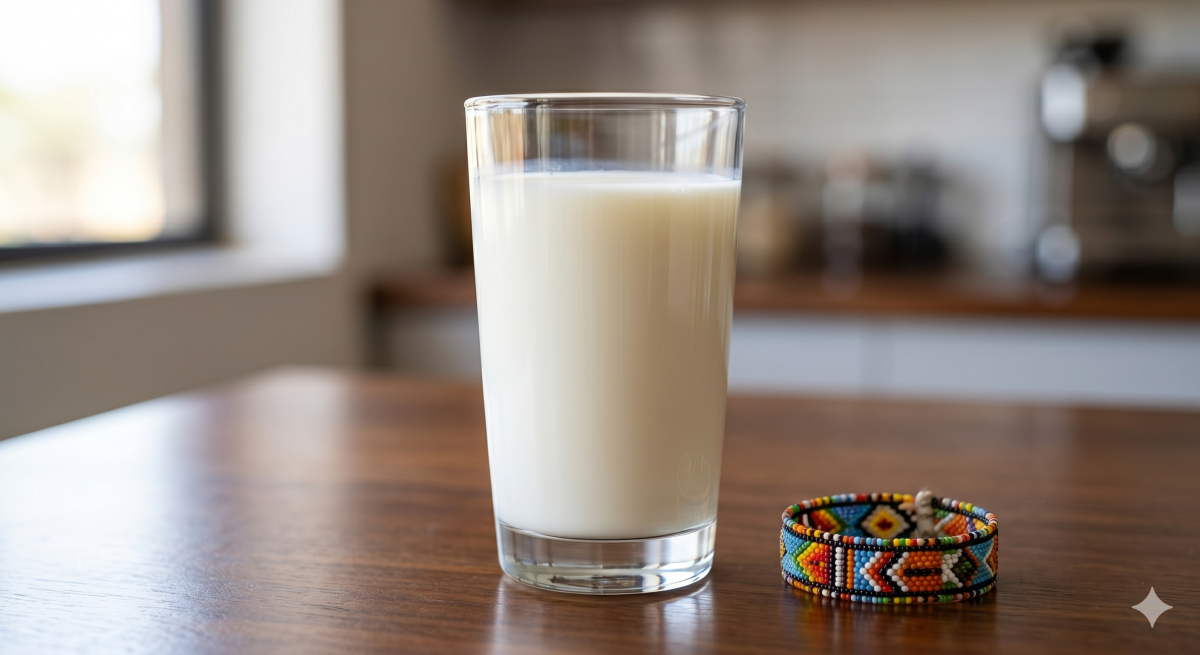
The diabetes connection is drawing particular attention from clinicians.
A 2025 review published in Applied Food Research found that “camel milk contains proteins that resemble insulin and control blood sugar levels while improving insulin sensitivity” – this finding has real implications for Kenya, where the prevalence of type 2 diabetes continues to climb.
The same body of research has pointed to measurable improvements in autism spectrum disorder symptoms in children who consumed camel milk, including gains in behaviour, verbal communication, and motor skills.
Growing market in Kenya is barely tapping
Kenya took a significant step in January 2024 when it began exporting camel milk to China, signalling a growing international appetite for what northern communities produce.
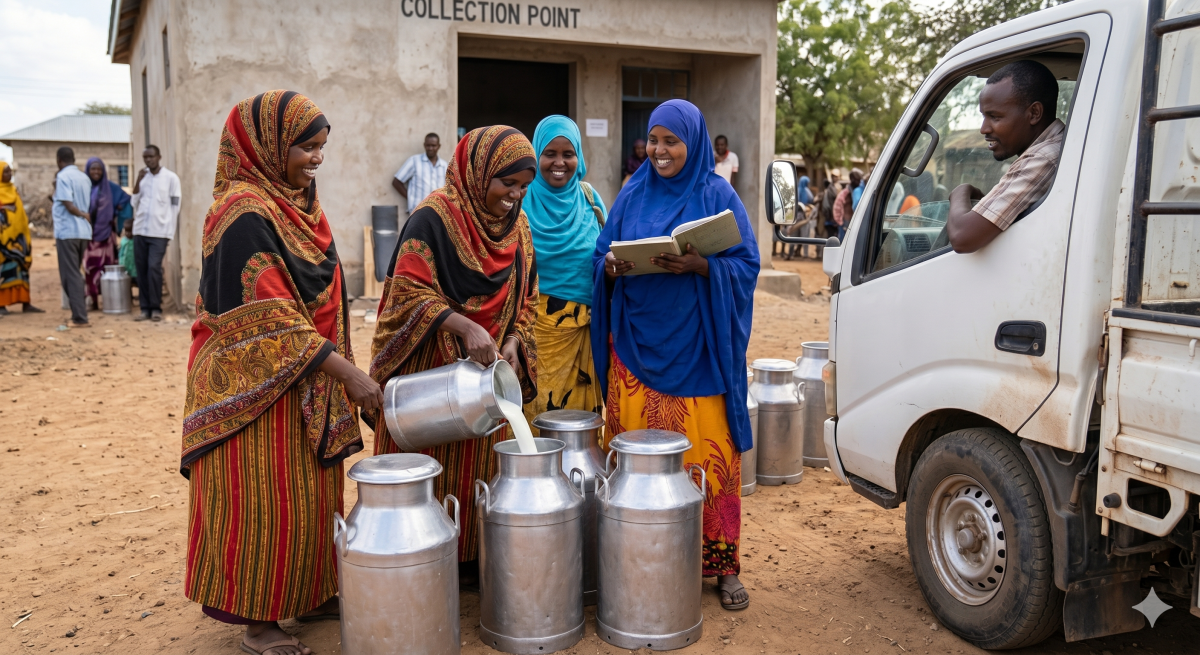
Yet the barriers remain real. Cold chain infrastructure in remote pastoral areas is thin, processing capacity is limited, and consumer awareness outside the north is still patchy.
The milk that northern Kenyans have carried in gourds across the Chalbi Desert for generations may turn out to be the next big food the world is searching for.