Advertisement
How to spot adulterated milk
21st May, 2026 08:53 PM
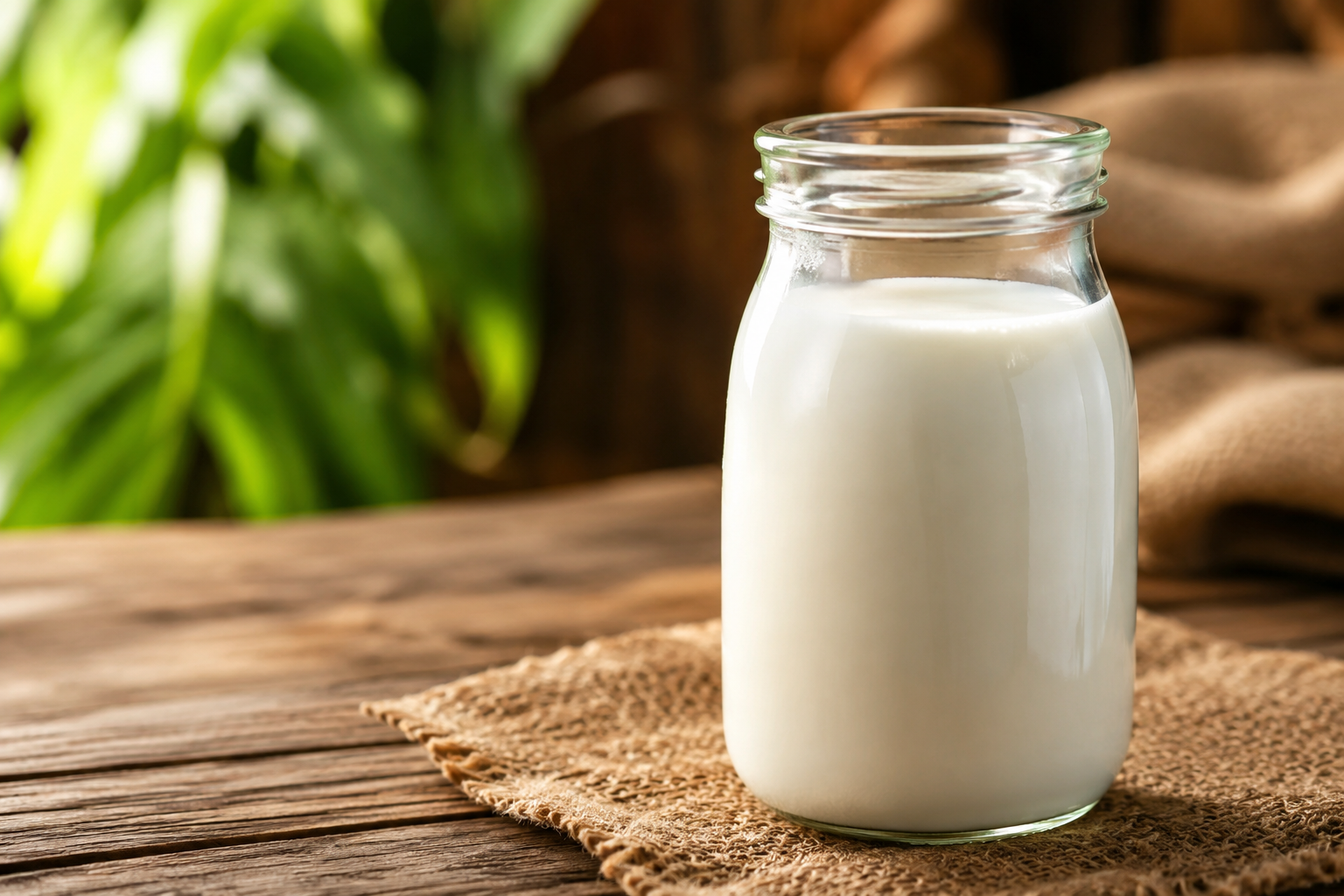
Milk is one of the most consumed foods in many homes.
From tea and porridge to cooking and drinking, it is part of daily life for millions of families.
But not all milk sold in shops, milk ATMs, or by roadside vendors is always pure.
Food safety experts have repeatedly warned about milk adulteration, where substances like water, starch, detergent, or chemicals are added to increase volume, thickness, or shelf life.
Studies and food safety reports show that adulterated milk can reduce nutritional value and, in serious cases, pose health risks.
The worrying part is that adulterated milk does not always look obviously fake.
Sometimes it appears normal until you carefully observe its texture, smell, or behaviour when heated.
Unusual smell
One of the easiest signs to notice is smell. Pure milk normally has a fresh and mild natural scent.
Adulterated milk may smell sour, chemical-like, soapy, or unusually rancid even before boiling.
If milk gives off a detergent-like or synthetic smell, it may contain artificial additives or chemicals used to change texture and appearance.
Food quality experts say unusual odours are often among the first warning signs of contamination or adulteration.
Watery texture
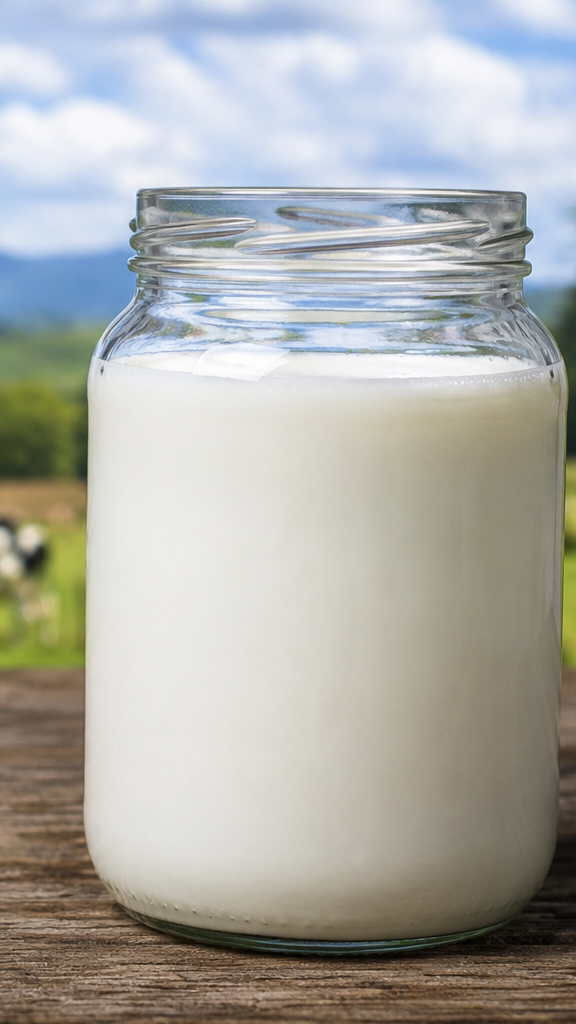
Milk that flows too quickly or feels unusually thin may contain added water.
Water is one of the most common adulterants because it increases volume and profit.
A simple home test involves placing a drop of milk on a smooth slanted surface.
Pure milk flows slowly and leaves a white trail behind, while watered milk runs quickly without leaving much trace.
Apart from reducing nutritional value, contaminated water can also introduce harmful bacteria into the milk.
Excessive foam
If milk forms too much foam or lather after shaking, it may contain detergent.
Detergents are sometimes illegally added to create a thicker appearance or mimic the creamy texture of real milk.
Pure milk can produce slight bubbles naturally, but excessive foam that lasts longer than normal is suspicious.
Experts warn that detergent adulteration can irritate the digestive system and may become harmful with regular consumption.
Bitter or soapy taste
Milk should not taste bitter, salty, or soapy. Synthetic milk or chemically altered milk often leaves an unpleasant aftertaste.
Some adulterated milk may also feel slippery when rubbed between fingers because of added chemicals or soap-like substances.
According to food safety research, synthetic milk may contain mixtures of oils, detergents, urea, and artificial whitening agents.
Strange behaviour when boiling
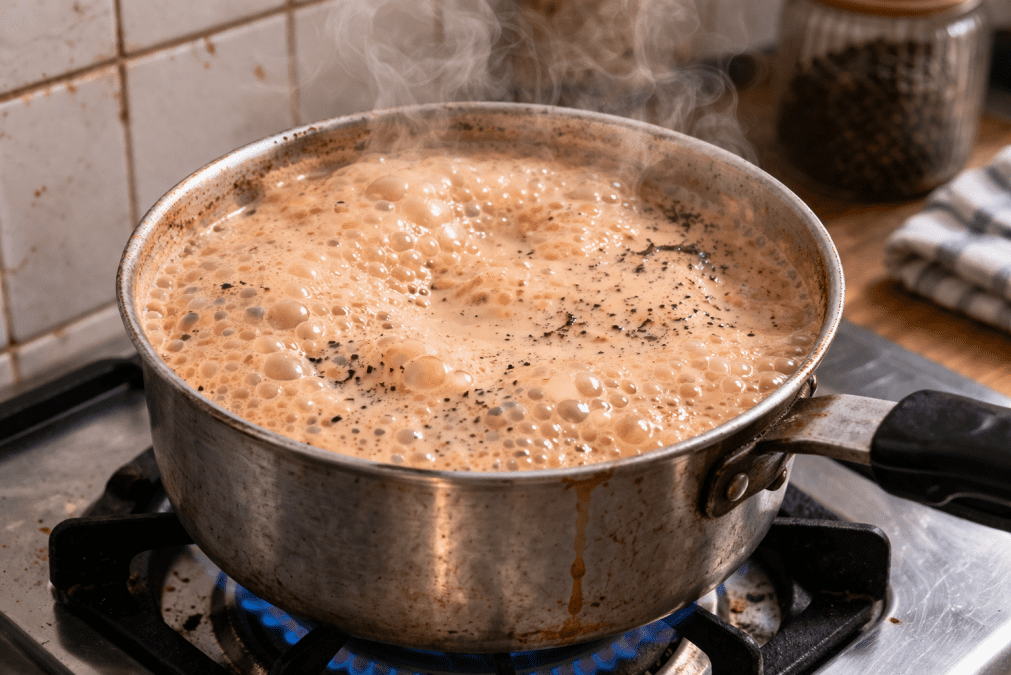
Boiling milk can reveal a lot about its quality. Pure milk usually forms a cream layer and behaves consistently when heated.
Adulterated milk may separate strangely, produce unusual smells, curdle unexpectedly, or turn yellowish during heating.
Milk mixed with detergent or synthetic substances may also fail to form the normal creamy layer people expect after boiling.
Colour changes during testing
Some home tests can help detect starch or chemical additives. For example, adding a few drops of iodine solution to milk can help identify starch adulteration.
If the milk turns blue, it may contain added starch.
Food experts say starch is sometimes added to make diluted milk appear thicker than it actually is.
Why milk adulteration is dangerous
Adulterated milk is not just about poor quality. Some additives may affect digestion, kidney function, or overall health when consumed over long periods.
Research on milk adulteration has linked certain chemicals and contaminants to serious health risks if exposure becomes frequent.
Children, elderly people, and individuals with weaker immune systems are usually more vulnerable.