Advertisement
6 behaviours that can embarrass you in a fine-dining restaurant
21st May, 2026 09:38 PM
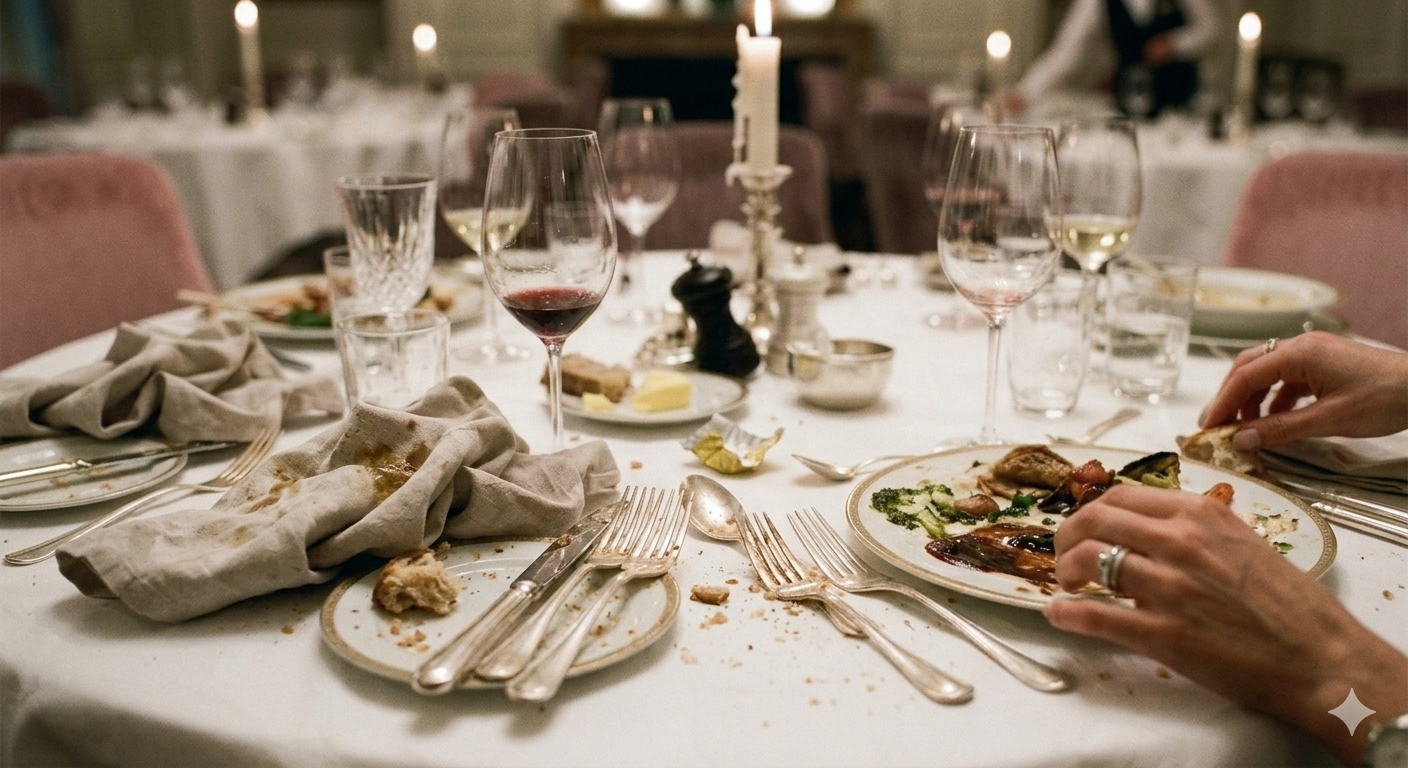
Fine dining restaurants, especially those rated five-star or operating within luxury hospitality standards, are designed to offer guests a refined, structured and highly attentive dining experience.
These establishments operate with strict service etiquette, where presentation, timing, guest behaviour and attention to detail all matter significantly. From how guests are seated, to how meals are served in courses, everything follows a carefully curated rhythm intended to reflect class, comfort and exclusivity.
For many people who are not used to such environments, the experience can feel overwhelming, as there are unspoken rules that regular fast-food or casual dining does not require.
Upscale restaurants also cater to guests who are familiar with formal dining culture, meaning staff are trained to observe subtle cues of etiquette. This includes how guests speak to servers, how they handle cutlery, how they behave at the table, and even how they interact with companions during meals. While mistakes are common for first-time diners, certain behaviours can easily make a person stand out negatively, drawing unnecessary attention in an environment where discretion and elegance are valued.
Speaking too loudly at the table
One of the most noticeable behaviours that can stand out in the wrong way is speaking loudly during a meal. In fine dining settings, conversations are expected to be calm, controlled and respectful of other guests who are also enjoying their meals. Raising your voice or laughing excessively loudly can disrupt the ambience, which is often carefully maintained with soft music and quiet background noise.
Guests who are used to casual eateries may not realise that in upscale restaurants, subtle communication is part of the experience, and excessive noise can make others uncomfortable and draw attention to your table.
Overusing mobile phones during meals
Another behaviour that often stands out is constantly using a mobile phone at the table. In luxury dining environments, meals are meant to be an immersive experience, focusing on food presentation, taste and company.
Frequently checking your phone, taking unnecessary calls or scrolling through social media can be seen as disrespectful both to your dining companions and to the overall dining atmosphere. It also signals disengagement, which contrasts sharply with the intentional, mindful experience that fine dining is designed to offer.
Improper use of cutlery and table setup
Table etiquette is one of the clearest indicators of familiarity with fine dining culture. Using cutlery incorrectly, switching hands unnecessarily, or misunderstanding how utensils are arranged for different courses can make a guest stand out immediately.
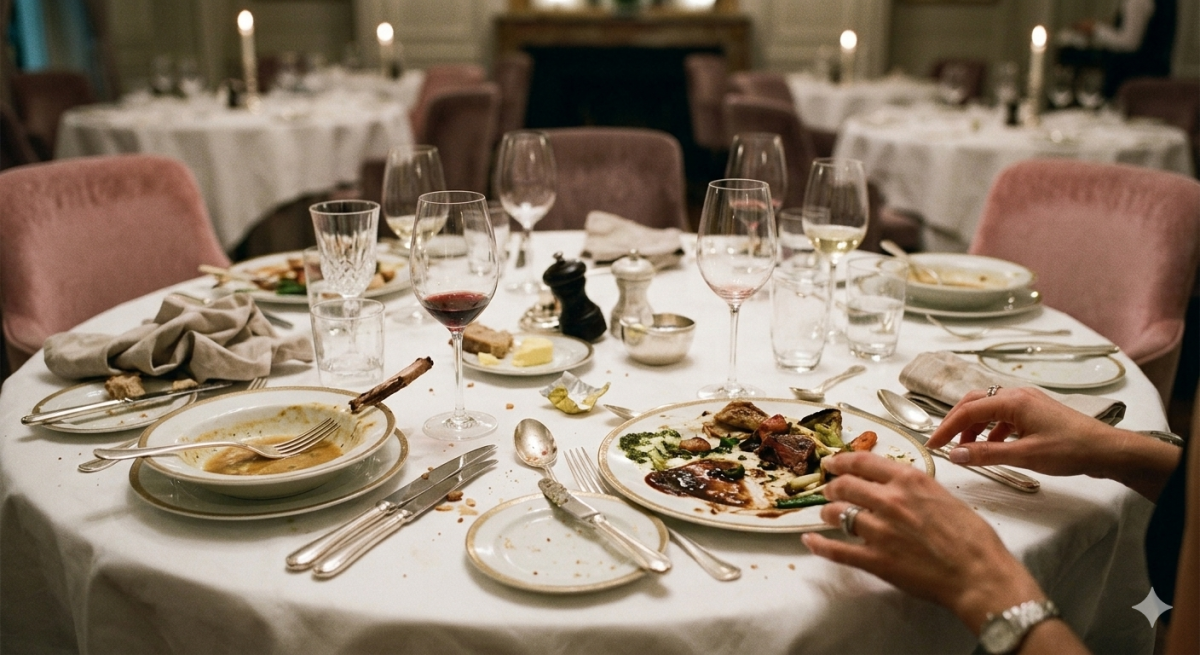
In upscale restaurants, each piece of cutlery has a purpose, and courses are served in a specific sequence. Guests unfamiliar with this system may appear confused or hesitant, which can unintentionally draw attention in a setting where smooth dining flow is expected.
Rushing through meals
Eating too quickly or appearing impatient during service is another behaviour that can stand out. Fine dining is structured around multiple courses, often served at a measured pace to allow guests to enjoy each dish fully.
Guests who rush through their meals, ask for everything to be served immediately, or show visible impatience with service timing may appear out of sync with the dining environment. Upscale restaurants prioritise experience over speed, and rushing disrupts the intended rhythm of the meal.
Poor interaction with service staff
How a guest speaks to waiters and service staff also plays a major role in fine dining etiquette. Being dismissive, overly demanding, or informal in a disrespectful way can easily stand out. In luxury restaurants, service staff are highly trained professionals, and respectful communication is expected at all times. Guests who treat staff casually or fail to acknowledge basic courtesy norms may unintentionally signal a lack of exposure to formal dining environments.
Ignoring dining etiquette cues
Finally, ignoring subtle dining cues such as waiting for everyone to be served before eating, not understanding wine or menu presentation rituals, or failing to follow the pacing of courses can make a guest stand out.
Fine dining often includes unspoken rules that experienced diners naturally follow, such as placing napkins correctly, signalling completion of a course properly, or waiting for hosts to initiate actions. Missing these cues is common for beginners but becomes noticeable in a refined setting where etiquette is part of the experience.
Author
Steve Ireri
Steve is a senior writer with over four years of experience in digital journalism. His focus is on the showbiz and human interest stories. Emails: [email protected] , [email protected]
View all posts by Steve Ireri