Advertisement
Coleslaw and 6 other fancy dishes you should know before ordering at posh hotels
13th December, 2025 05:13 PM
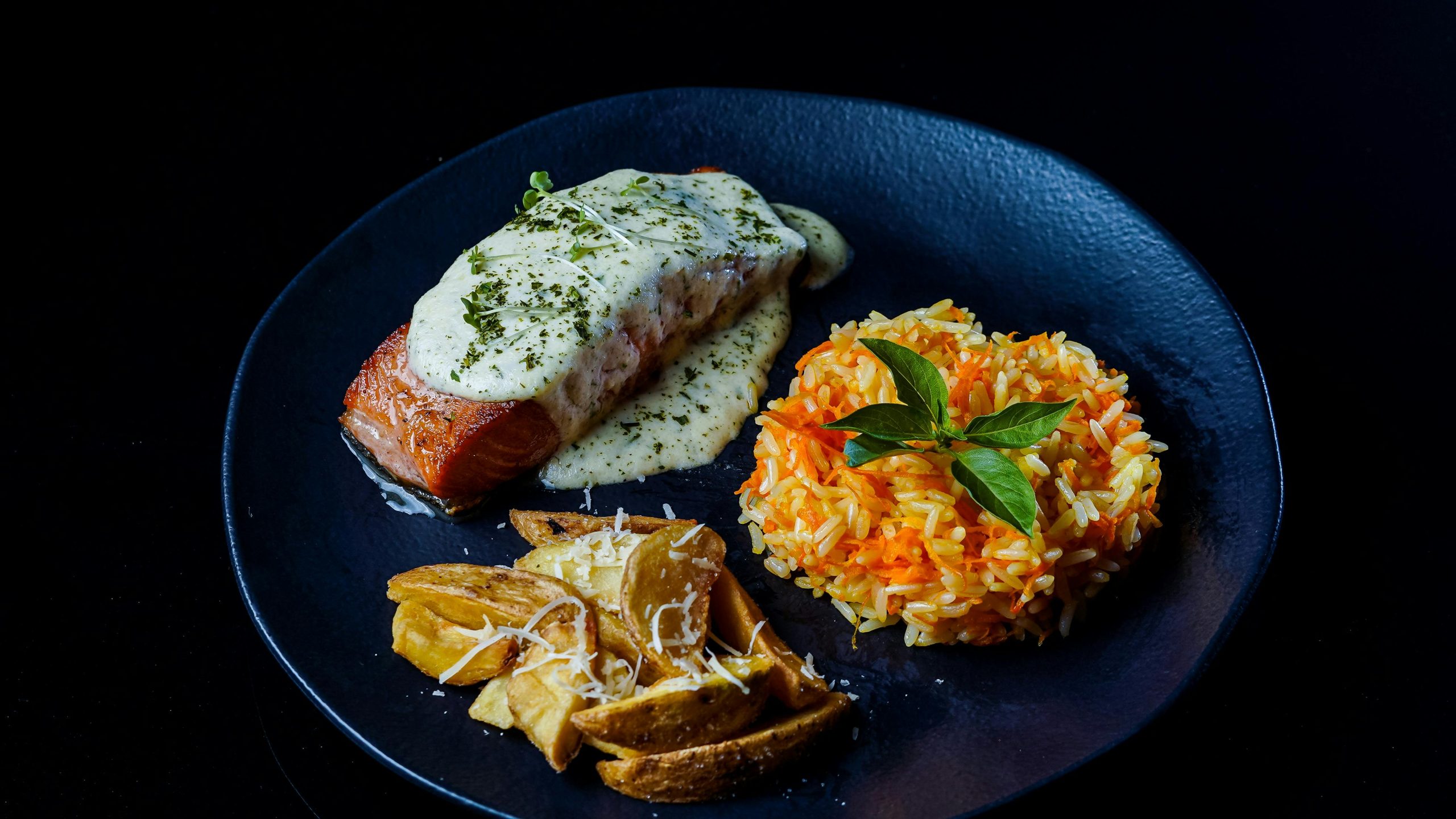
Walking into a high-end hotel restaurant can feel like stepping into a world that is completely different from your everyday dining experiences.
The soft lighting, immaculate table settings, and elegant menus are impressive, but the real challenge often comes when the waiter presents the menu.
Suddenly, familiar foods are described with French, Italian, or exotic names that can make even the most confident diner pause.
Even a simple dish like coleslaw can appear sophisticated and unfamiliar when presented with subtle twists.
Understanding these dishes can help diners navigate menus with confidence and avoid awkward moments when ordering.
Coleslaw
Coleslaw, though commonly known as shredded cabbage mixed with mayonnaise or vinegar, has been transformed in many posh hotel restaurants. In such settings, it may be listed as slaw maison’ or ‘coleslaw de chef’ and could include ingredients such as finely diced apples, roasted nuts, or even truffle oil.
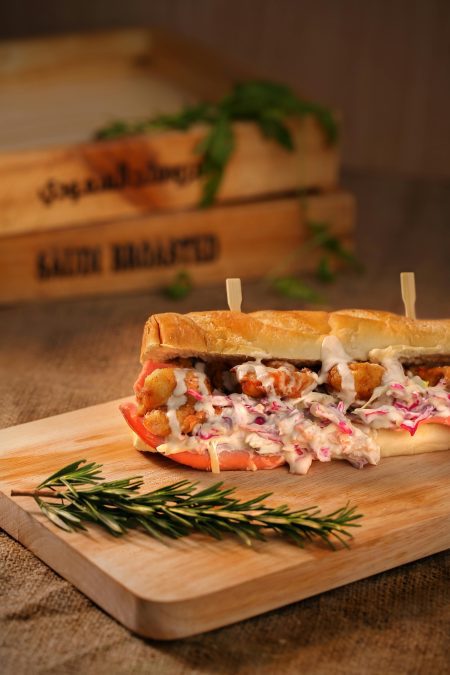
The dish has its origins in the Netherlands, where it was called koolsla, meaning cabbage salad, and it was brought to other parts of Europe and America by settlers.
In contemporary high-end restaurants, chefs often present it in layered portions or with artistic garnishes, elevating a simple salad into a refined starter or side dish.
Coq au vin
Coq au vin is a classic French dish with a history dating back several centuries.
Traditionally, it was made with older roosters that required slow cooking to become tender. The chicken is braised in red or white wine along with mushrooms, onions, and sometimes bacon, producing a deep and rich flavour. Today, coq au vin is a symbol of French culinary tradition and appears in many high-end hotel menus worldwide.
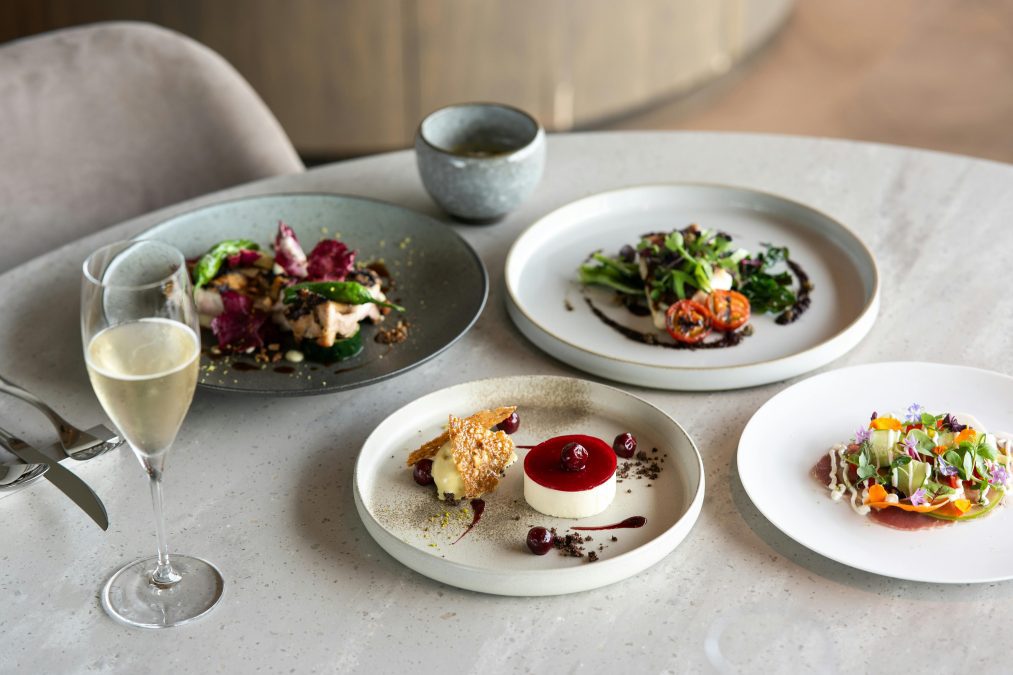
It is often served with a sauce reduced from the braising wine, making the dish both comforting and elegant.
Pommes Anna
Pommes Anna is a potato dish that originated in Paris in the 19th century, created by a famous chef named Adolphe Dugléré for a high-society woman named Anna Deslions.
Thinly sliced potatoes are layered meticulously in a pan with generous amounts of butter, then baked until golden and crisp on the outside while soft on the inside.
This simple yet sophisticated dish is often served as a side with meat or fish and demonstrates how precise cooking techniques can transform ordinary ingredients into a visually striking and flavourful accompaniment.
Beef Wellington
Beef Wellington is a signature dish that has become synonymous with formal dining and celebration. It consists of a fillet of beef coated with a mixture of mushrooms or pâté, then wrapped in puff pastry and baked until golden.
The dish is believed to have been named after Arthur Wellesley, the first Duke of Wellington, although its exact origin is debated.
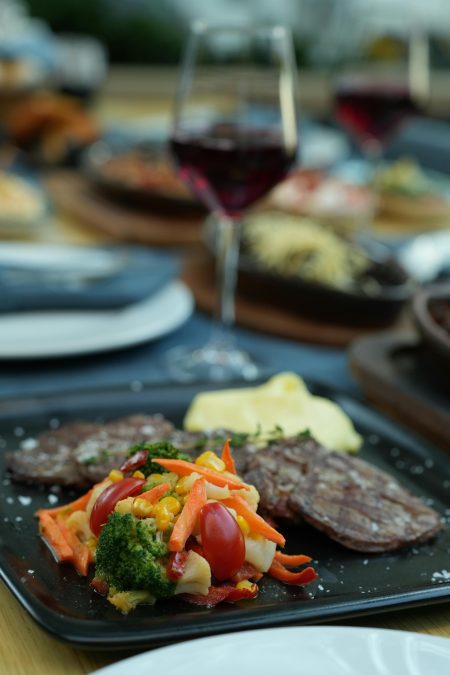
In contemporary restaurants, chefs might add foie gras, prosciutto, or duxelles to enhance the richness of the dish. Understanding its components ensures diners know that they are ordering a main course rather than a simple meat dish.
Ratatouille
Ratatouille, originating from Provence in southern France, is a vegetable medley typically made with zucchini, eggplant, bell peppers, tomatoes, onions, and herbs.
Traditionally a humble, rustic dish, it has become popular in fine dining for its colourful presentation and complex layering of flavours. In high-end restaurants, it may appear under the name ‘tian de légumes’ or ‘ratatouille confit’, with vegetables sliced uniformly and arranged meticulously.
Ratatouille not only delights the palate but also serves as an example of how everyday ingredients can be transformed into art on a plate.
Tarte Tatin
Tarte Tatin is a classic French dessert that was accidentally created in the late 19th century by the Tatin sisters, who ran a hotel in Lamotte-Beuvron.
The upside-down caramelised apple tart was originally a mistake, but it became an iconic dish in French patisserie.
In modern high-end restaurants, tarte Tatin is often served with a dollop of crème fraîche or ice cream and presented with artistic precision. Its dramatic presentation can make it look more complex than it is, yet it remains a simple combination of butter, sugar, and apples baked to perfection.
Carpaccio
Carpaccio is a dish that originated in Venice, Italy, in the 1950s.
It consists of very thin slices of raw beef or fish, typically drizzled with olive oil, lemon juice, and garnished with Parmesan or herbs.
Carpaccio has become a staple starter in many posh hotel menus because of its delicate texture and elegant appearance.
Variations now include tuna, salmon, or even vegetarian options made from thinly sliced vegetables.
Recognising that carpaccio is raw helps diners appreciate the intended flavour and texture without being surprised.
Author
Steve Ireri
Steve is a senior writer with over four years of experience in digital journalism. His focus is on the showbiz and human interest stories. Emails: [email protected] , [email protected]
View all posts by Steve Ireri