Advertisement
A simple guide to ordering food using QR code menus in new restaurants
02nd June, 2026 04:30 PM
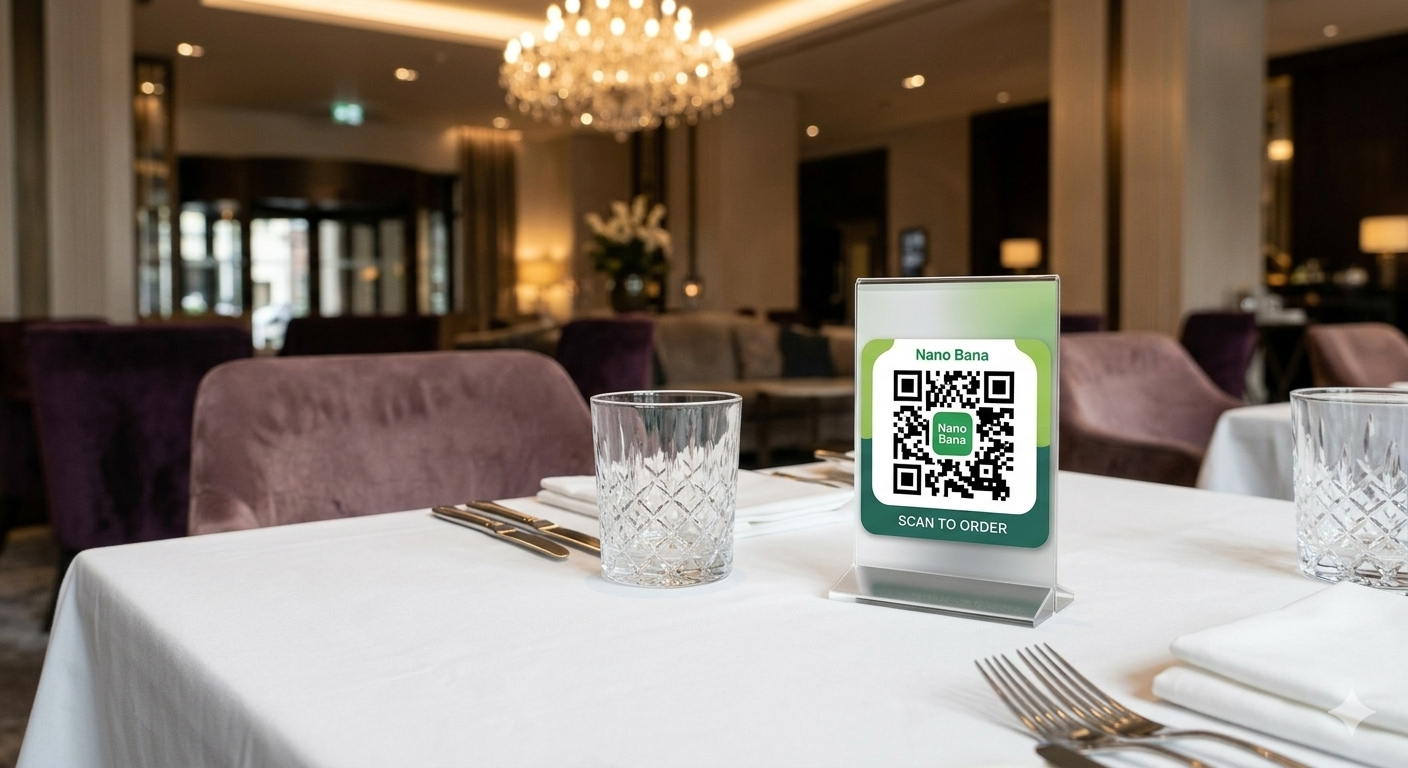
Dining out has always been as much about experience as it is about food. From the moment a customer is seated to the final bill, every detail shapes how a restaurant is remembered. But in recent years, a quiet revolution has been unfolding inside posh and modern restaurants: the disappearance of printed menu books and the rise of QR code ordering systems.
For decades, menus were physical booklets or laminated sheets placed neatly on restaurant tables.
They were often the first point of interaction between a customer and the kitchen. Diners would flip through pages, ask waiters for recommendations, and sometimes even negotiate changes to their orders. In high-end restaurants, menus were carefully designed documents, part information tool, part branding statement, showcasing culinary creativity and pricing structure.
However, the digital age has slowly changed that tradition. What began as a convenience during the COVID-19 pandemic has now evolved into a permanent feature in many modern eateries. Today, in a growing number of posh restaurants, the menu is no longer held in hand but scanned.
The QR code menu system allows customers to simply point their smartphone cameras at a code placed on the table. Within seconds, a full digital menu appears on their screen, complete with images, descriptions, prices, and in some cases, direct ordering options. The process removes the need for physical menus, reduces contact points, and speeds up service.
How QR code ordering works
Ordering food using QR code menus is a straightforward process that is reshaping the dining experience in new restaurants.
First, a customer is seated and directed to a table with a QR code placed on it. By scanning the code using a smartphone camera, a digital menu automatically opens in a browser or restaurant app. From there, the customer can browse available dishes, view ingredients, and select items of choice.
In many modern restaurants, the system goes a step further. After selecting meals, customers can place orders directly from their phones without waiting for a waiter. The order is instantly sent to the kitchen, reducing delays and improving efficiency.
Payment options are also increasingly integrated, allowing diners to settle bills digitally once they finish their meals.
Why restaurants are embracing digital menus
The shift from printed menus to QR code systems is driven by both practicality and cost efficiency. Restaurants save on printing costs and can update menus instantly without reprinting materials whenever prices or dishes change.
It also offers flexibility. Seasonal dishes, limited-time offers, and chef specials can be added or removed in real time. For posh restaurants, it also enhances presentation, allowing for high-quality food photography and detailed descriptions that elevate the dining experience.
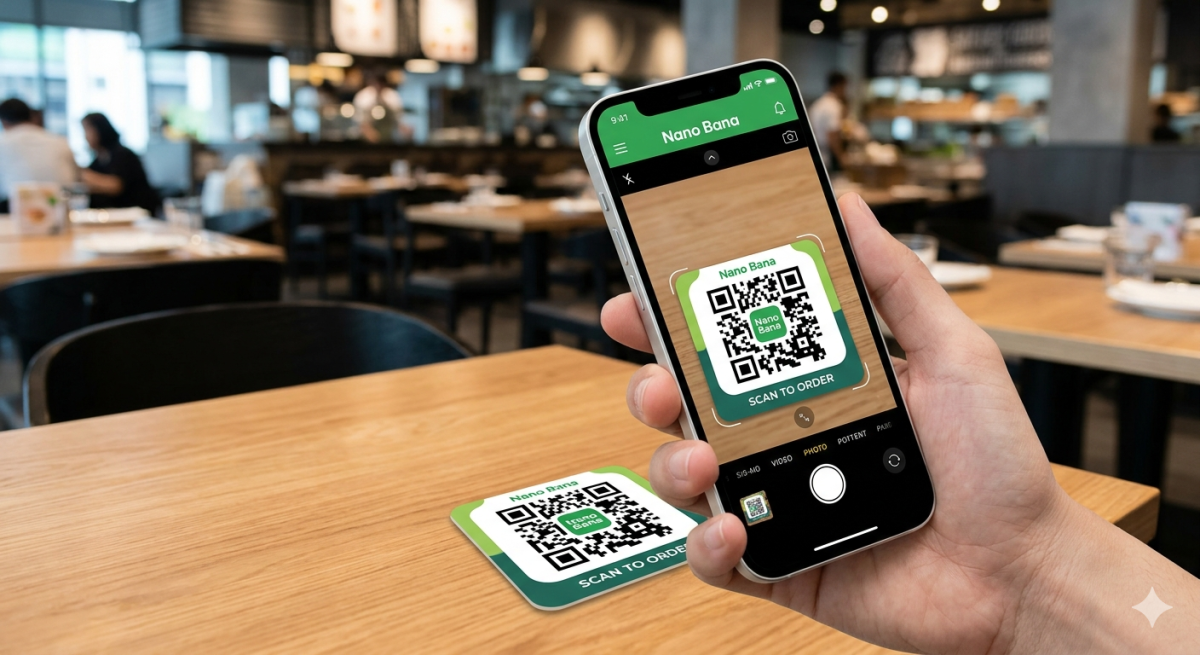
Customer experience is another major factor. Many diners appreciate the convenience of browsing menus at their own pace without pressure, while others enjoy the modern, tech-driven feel of ordering from their phones.
The changing culture of dining
Despite its benefits, the QR code system also marks a significant cultural shift in dining. Traditional restaurant interactions, such as calling a waiter, asking questions about meals, or receiving personal recommendations, are slowly being replaced by digital self-service.
Still, many restaurants are blending both worlds, allowing customers to choose between digital menus and waiter-assisted service depending on preference.
As more posh restaurants adopt this system, QR code menus are no longer just a trend but a defining feature of modern dining culture.
Author
Steve Ireri
Steve is a senior writer with over four years of experience in digital journalism. His focus is on the showbiz and human interest stories. Emails: [email protected] , [email protected]
View all posts by Steve Ireri