Advertisement
Enjoyment budget: Smart approach to setting aside money for fun and leisure
21st May, 2026 07:50 PM

After salary or monthly income has kicked in, there is often a strong urge to “kurudishia mwili shukrani”, a natural desire to relax, reward oneself, and enjoy life after days of hard work.
However, in many traditional budgeting systems, most of the money is quickly directed toward essentials like rent, bills, and utilities, leaving little or nothing for enjoyment.
This lack of a planned fun budget often leads to impulsive spending later in the month, which can result in poor financial control and money mismanagement.
Unlike traditional budgeting that often feels restrictive, this approach allows individuals to spend guilt-free on things that bring joy while still protecting long-term financial goals.
The idea is simple but powerful: instead of categorising all spending as either “necessary” or “wasteful,”
This money is strictly reserved for leisure activities such as weekend getaways, dining out, concert tickets, hobbies, wellness experiences, or spontaneous adventures.
Once allocated, it is no longer treated as savings or bills; it becomes intentional “joy money.”
How to create an enjoyment budget
Start by calculating your income and deciding on a realistic percentage. Many people begin with 10% of their take-home pay. For example, if you earn Ksh 50,000 monthly, you would set aside Ksh 5,000 for enjoyment.
Next, open a separate account or digital wallet labelled specifically for leisure spending. This helps create a clear psychological boundary between essential finances and enjoyment funds.
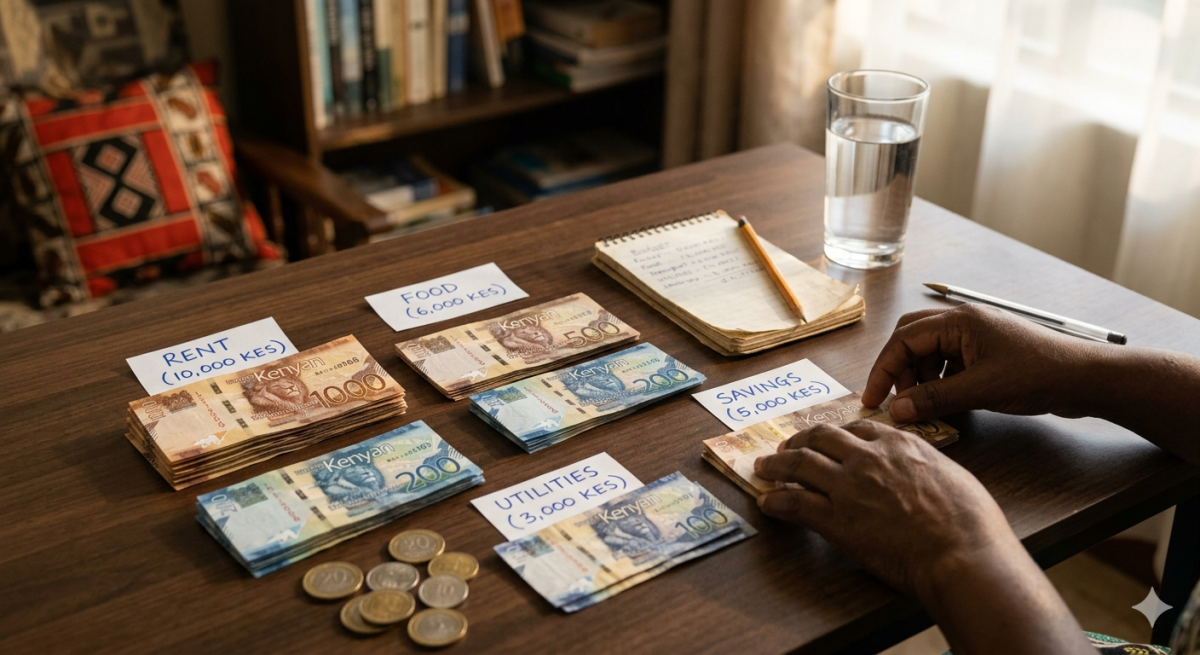
After that, define your spending categories such as travel, dining, hobbies, self-care, gifts, or experiences. Being specific helps ensure intentional spending rather than random purchases.
Automation is also key. Setting up automatic transfers right after salary deposits ensures consistency and removes the temptation to skip the process.
Finally, reviewing spending at the end of each month helps track what activities bring the most satisfaction and allows for better adjustments.
Why the enjoyment budget works
One of the main reasons many budgets fail is constant financial restriction. When people feel deprived of enjoyment, they often end up overspending impulsively or making guilty purchases later.
The Enjoyment Budget removes this pressure by creating a balance between responsibility and pleasure.
Financial psychology suggests that people who plan for enjoyment are more likely to stick to their overall budget.
It transforms money management from a restrictive system into a sustainable lifestyle that supports both discipline and happiness.
Author
William Muthama
William Muthama is a digital journalist with a focus on entertainment, human interest, and current affairs. Share stories: [email protected]/ [email protected]
View all posts by William Muthama