Advertisement
5 best foods that help boost creativity
07th July, 2026 01:40 PM
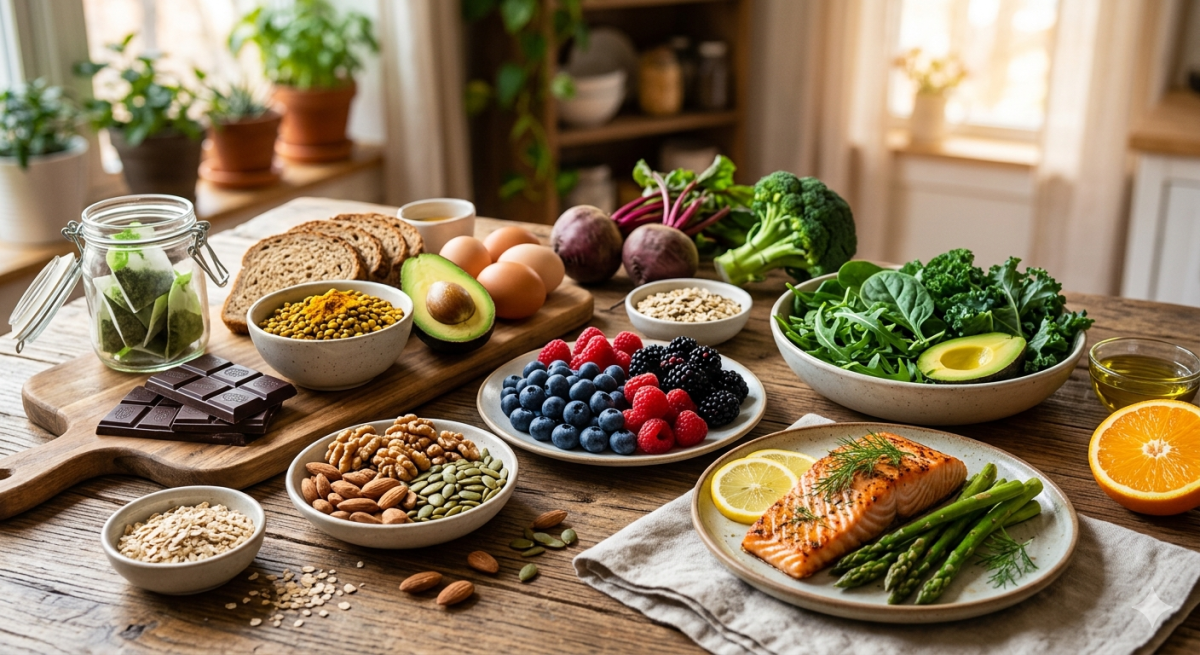
A good idea can come while working, studying, cooking or even during a quiet moment at home. But when the mind feels tired, distracted or slow, it can be difficult to concentrate, solve problems or come up with fresh ideas.
There is no single food that can suddenly make someone more intelligent or creative. However, nutrition plays a role in brain health, memory, attention and energy levels. A diet rich in vegetables, fruits, healthy fats, whole grains and lean proteins can support cognitive function over time.
For people looking to stay focused during busy workdays, study sessions or demanding routines, these five foods can be useful additions to everyday meals.
Oily fish for healthy brain fats
Fish such as sardines, omena, salmon, mackerel and tilapia are popular sources of protein, but oily fish also provides omega-3 fatty acids. These fats are important because the brain needs healthy fats to support its structure and daily function.
According to Harvard Health Publishing, omega-3 fatty acids, especially DHA found in fish, are linked to brain health and may support memory and learning. This makes fish a practical meal for people who want to keep their minds active.
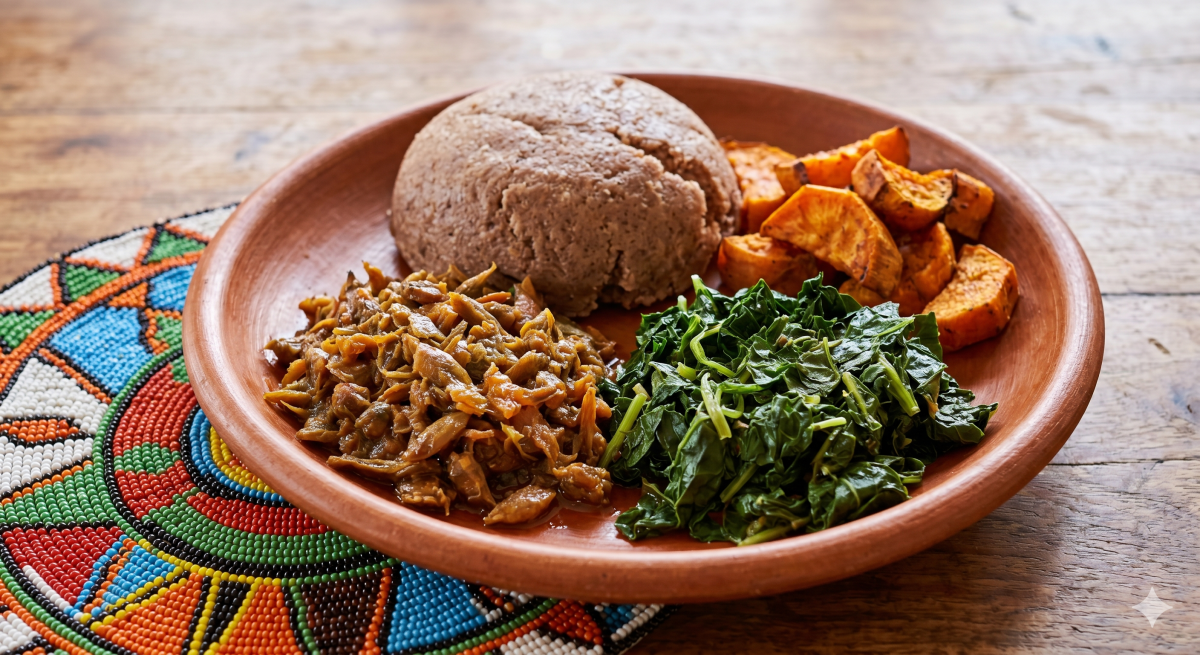
A plate of omena with ugali and sukuma wiki, or grilled fish served with vegetables, can offer more than a satisfying lunch. For people who do not eat fish, foods such as walnuts, chia seeds and flaxseeds can provide plant-based omega-3 fats.
Eggs for concentration and memory
Eggs are often a quick breakfast option, but they contain choline, a nutrient that supports the production of acetylcholine. This is a chemical messenger in the body that is involved in memory, mood and attention.
The Mayo Clinic Health System lists eggs among foods that provide nutrients needed for healthy brain function. Eggs also contain protein, which can help people stay fuller for longer and avoid the energy crash that sometimes follows a breakfast made mainly of refined carbohydrates.
Boiled eggs with wholemeal bread and avocado can make a simple breakfast before work or school. The yolk contains many of the egg’s nutrients, so it is worth including unless a health professional has advised otherwise.

Berries and local fruits for mental freshness
Blueberries, strawberries and blackberries are rich in flavonoids, which are plant compounds linked to brain health. Research highlighted by Harvard Health Publishing shows that diets with more fruits and vegetables may help support cognitive health because of their vitamins, antioxidants and anti-inflammatory properties.
Berries may not always be available in every market, but local fruits can still support a healthy eating routine. Mangoes, oranges, pawpaw, passion fruits and watermelon provide vitamins and antioxidants that help the body function well.
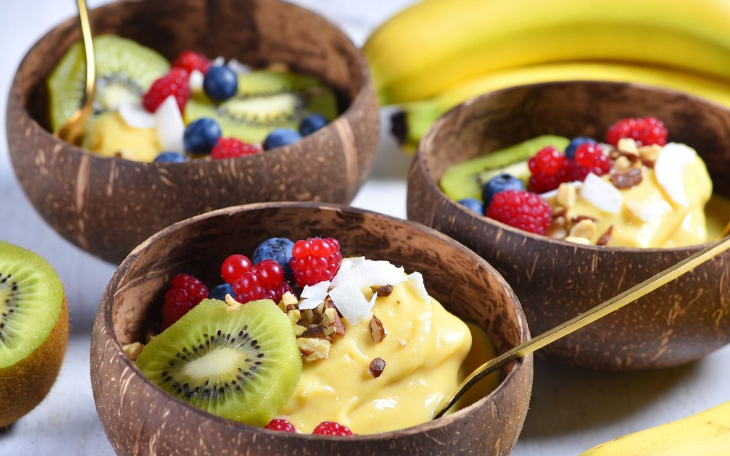
Instead of reaching for biscuits or sugary drinks during an afternoon slump, a bowl of fruit, plain yoghurt with fruit, or oats topped with banana can provide a lighter snack.
Leafy greens for steady brain support
Sukuma wiki, spinach, managu, terere and kunde are regular foods in many Kenyan homes. They contain folate, vitamin K, lutein and other nutrients that have been associated with healthy brain ageing.
Harvard Health Publishing has identified leafy green vegetables as part of eating patterns linked to better cognitive health. They are also a good source of fibre and iron, nutrients that support digestion and energy levels.

A serving of lightly cooked spinach with tomatoes and onions, or traditional vegetables served with beans and brown ugali, can make a familiar meal more nourishing without making it expensive.
Nuts and seeds for a quick thinking snack
Groundnuts, cashew nuts, almonds, pumpkin seeds and sunflower seeds are small foods with plenty of nutrients. They contain healthy fats, protein and vitamin E, which helps protect cells from oxidative stress.
The Mayo Clinic Health System notes that nuts are part of a brain-friendly eating pattern because they provide healthy unsaturated fats and antioxidants. Walnuts are especially useful because they contain alpha-linolenic acid, a plant-based omega-3 fat.
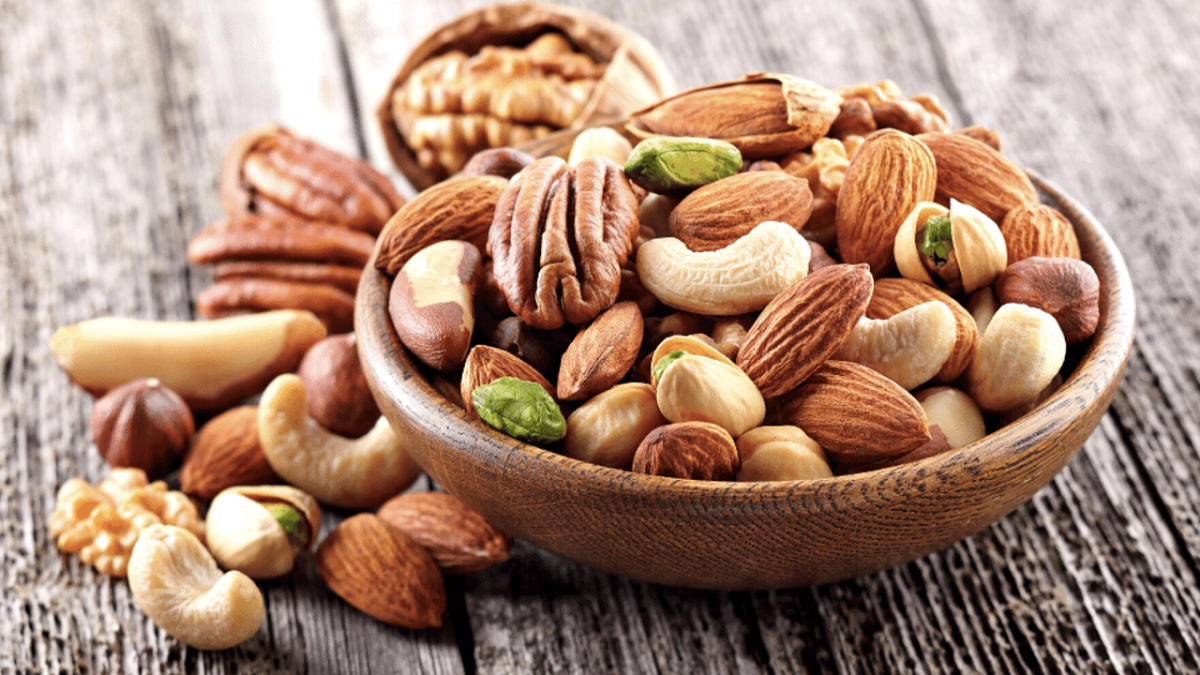
A small handful of plain or lightly roasted nuts can be a useful snack between meals, especially for people spending long hours reading, writing or working at a desk. Because nuts are high in calories, a handful is usually enough.
Food is only one part of the picture
A healthy mind also depends on sleep, hydration, movement and regular meals. Eating well cannot replace rest or solve every concentration problem, but it can give the body and brain a better foundation for the day.