Advertisement
What makes the kanzu a style statement
27th May, 2026 07:27 PM

For centuries, the kanzu has stood as a central symbol of cultural identity along the East African coast. This floor-length, typically white robe, traditionally worn by Swahili Muslim men, is undergoing a major fashion revival.
While it remains a staple for religious gatherings and Friday prayers, younger men are looking beyond traditional obligations, adopting the garment as an expression of sophisticated style, celebrating its minimalist elegance at weddings, corporate functions, and red-carpet events.
From the Swahili Coast to Nairobi streets
The history of the kanzu is deeply intertwined with the ancient trade networks that shaped the Swahili coast. Originally introduced through interactions with Omani and maritime traders, local coastal tailors adapted the robe by adding distinct, intricate embroidery around the neckline.
This unique craftsmanship transformed a simple imported garment into an iconic marker of respect and high social standing.
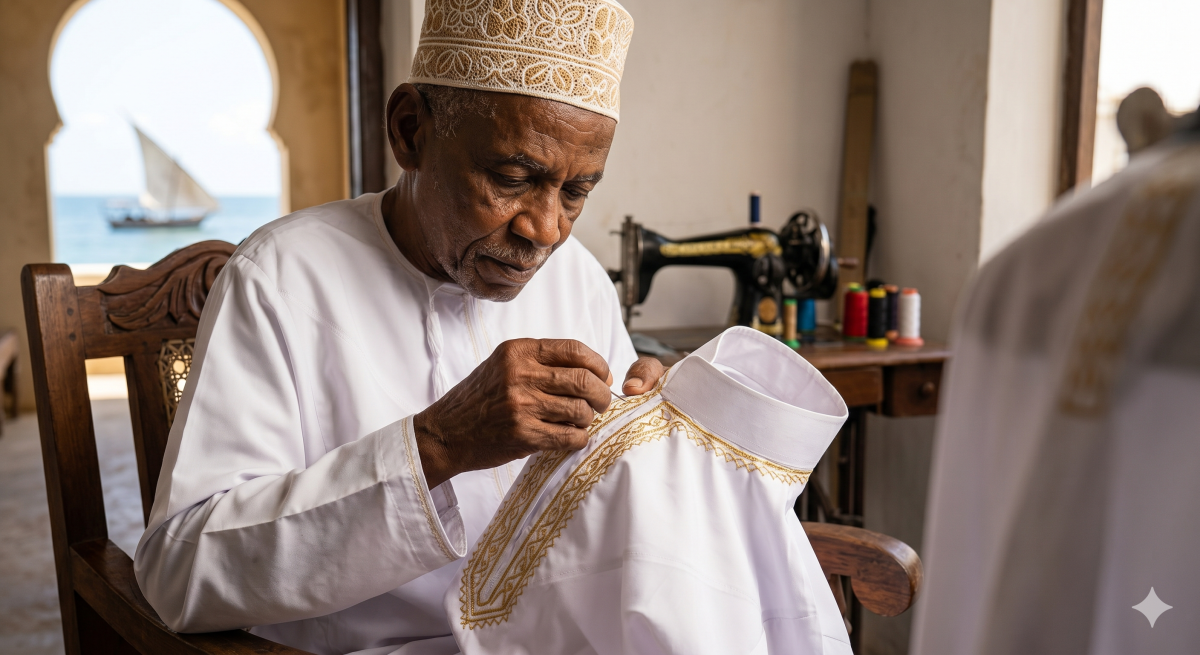
Academic studies confirm that the dress has long carried immense visual authority in coastal societies.
Peer-reviewed research published in the journal Africa highlights this cultural presence, noting how respected local men historically appeared “dressed in their impeccable white kanzu” during daily public gatherings.
This historic association with dignity is precisely what attracts the contemporary Kenyan man. Today, the attire is no longer confined to Malindi or Lamu.
Redefining contemporary elegance for the Kenyan man
The global fashion movement toward sleek minimalism perfectly matches the clean structure of the kanzu. Its fluid lines offer a comfortable, sharp alternative to conventional Western suits, especially during hot African afternoons.
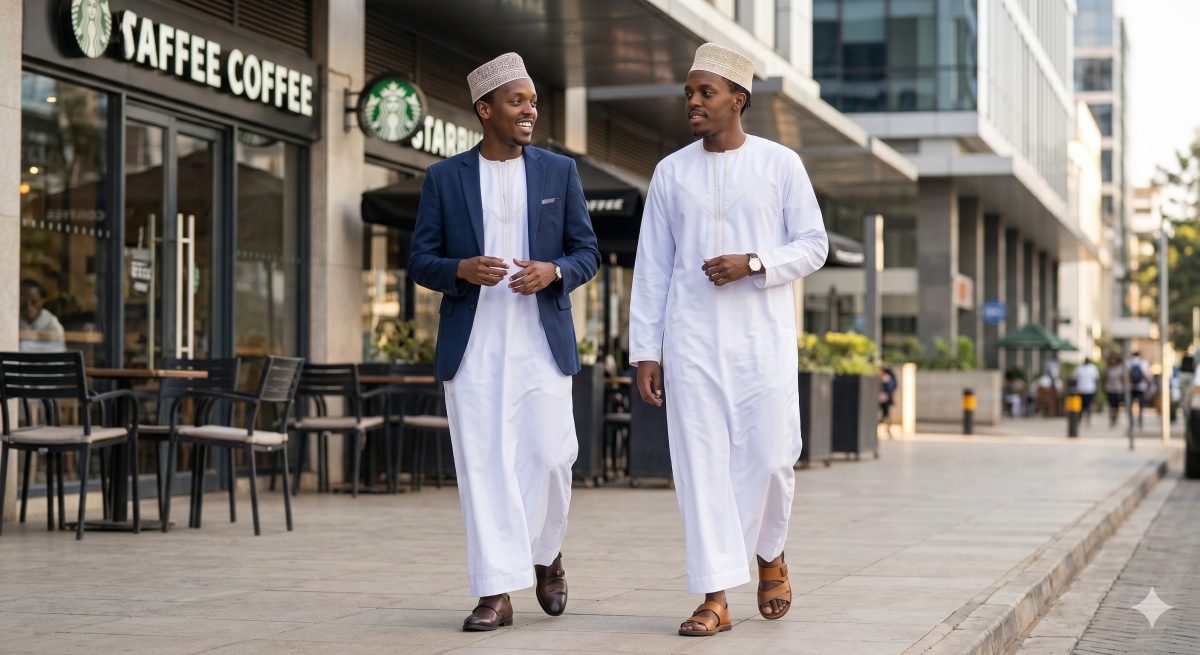
Younger fashion enthusiasts are now reimagining the look, pairing the clean white canvas of the robe with modern tailored blazers, luxury leather sandals, and custom-made kofia caps.
This cultural shift is also creating a lucrative market for local artisans and designers.
Depending on the fabric grade and the complexity of the hand-stitched neck patterns, a custom kanzu fetches anywhere from Sh3,500 to over Sh20,000. This growing commercial value proves that the modern Kenyan consumer is willing to invest heavily in authentic local identity.