Advertisement
How to make your clothes last twice as long
12th May, 2026 09:22 AM
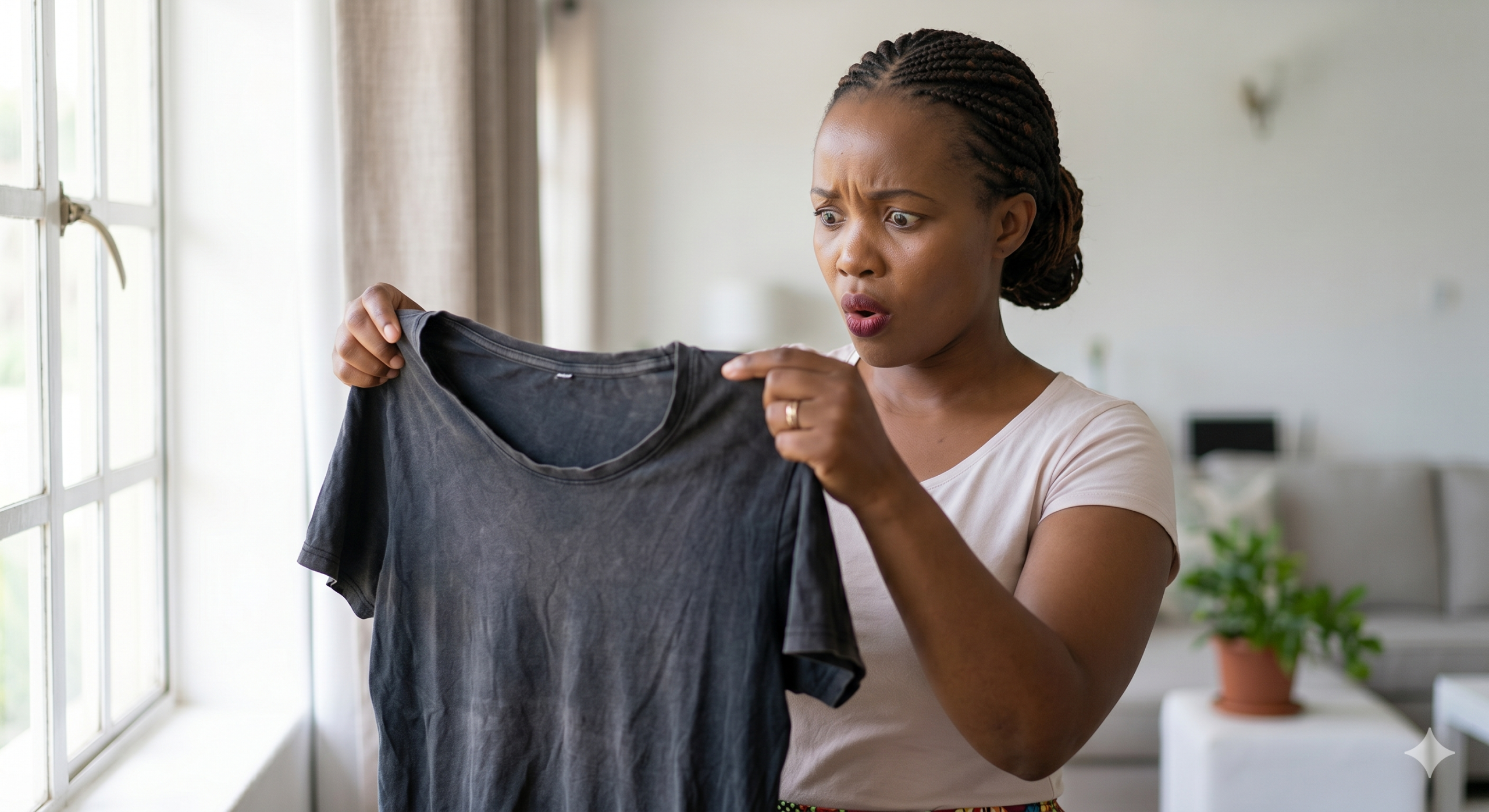
There is a quiet kind of heartbreak that comes with pulling out a favourite shirt and realising it has gone thin, dull, and shapeless. You did not abuse it. You just washed it, the same way you always do. That, it turns out, is exactly the problem.
Most clothes do not wear out from being worn. They wear out from being washed. And the good news is that a handful of small, easy changes can double how long your wardrobe holds up – and save you the money and frustration of replacing things before their time.
Wash smarter, not harder
The single most damaging thing most people do to their clothes is wash them in water that is too hot for too long.
Researchers at the University of Leeds, in a study published in the peer-reviewed journal Dyes and Pigments, found that “colour and fibre loss in the wash increase with cycle duration and temperature”, meaning every hot, long wash is literally breaking your fabric apart, thread by thread.
The fix is simple: drop your temperature.
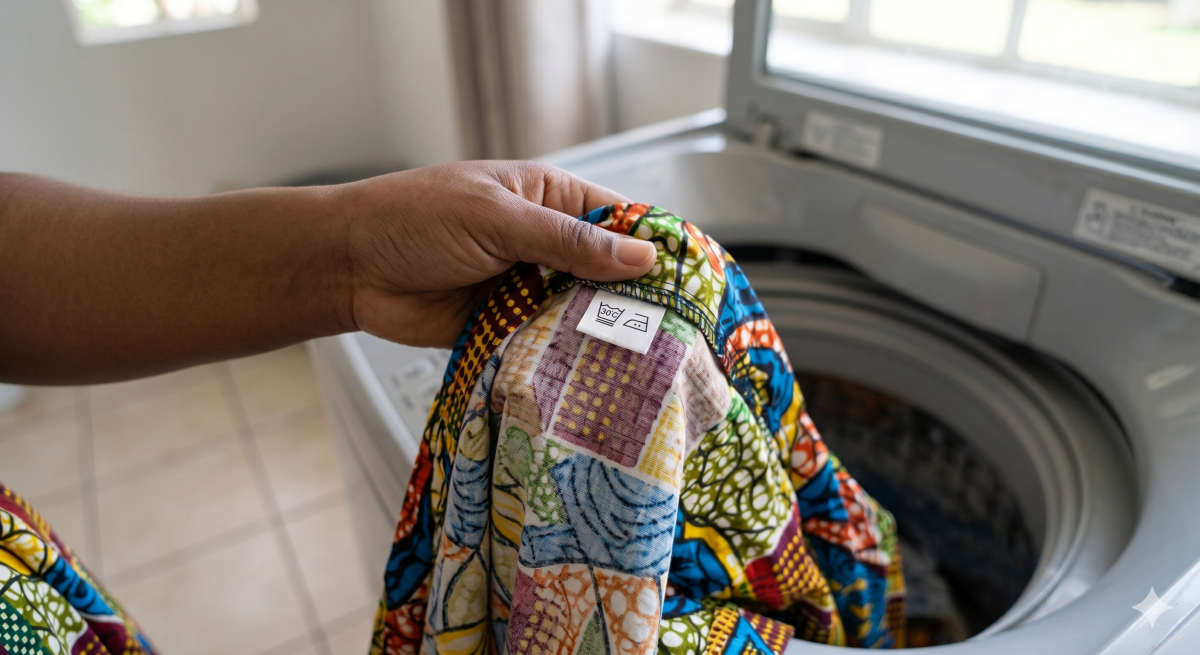
Wash most everyday items (T-shirts, cotton tops, casual trousers) at 30°C rather than the default 40°C or 60°C.
For delicates, cold water works just fine. Always check the care label first, but when in doubt, go cooler and shorter.
A few other washing habits that age clothes faster than they should:
Washing too frequently is a big one. Jeans, knitwear, and outer layers rarely need washing after every wear. Airing them out does the job most of the time. Over-washing weakens fibres, fades colour, and shrinks fabric gradually with every cycle.
Washing clothes right-side-out also causes unnecessary friction against the drum.
Turn items inside-out before loading them, especially dark colours, printed T-shirts, and anything with embellishment. It makes a noticeable difference to how long colours stay vivid.
Go easy on detergent too. More soap does not mean cleaner clothes. Excess detergent leaves residue in the fabric that actually attracts dirt and stiffens the weave over time.
How you dry and store clothes matters just as much
Once the wash cycle ends, the real damage often begins. The tumble dryer is one of the fastest ways to shrink, distort, and exhaust your clothes. The heat weakens elastic, sets creases permanently, and breaks down fibres in ways that cannot be undone.
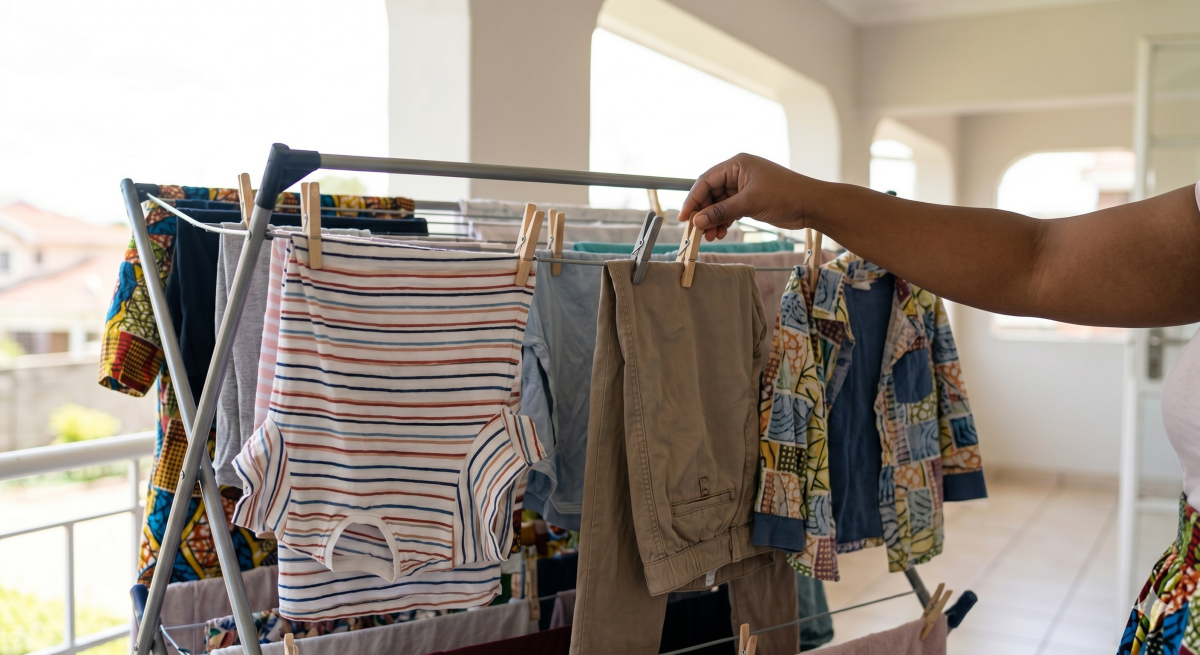
Air-drying is always gentler; hang clothes on a rack away from direct sunlight, which bleaches and weakens fabric just as aggressively as a hot dryer.
Storage habits also quietly take their toll.
Heavy knitwear (think chunky jumpers and cardigans) should be folded, never hung. A hanger stretches the shoulders over time and deforms the shape permanently.
Structured pieces like blazers and shirts, on the other hand, need proper hangers to keep their form.
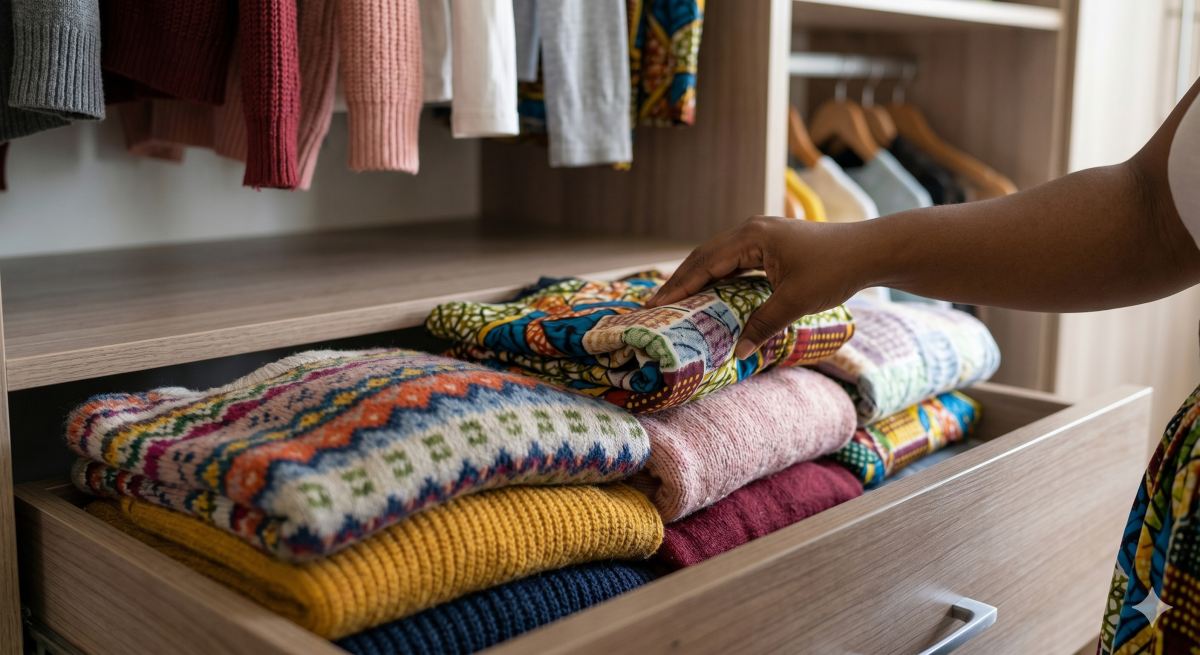
Overcrowding your wardrobe is another common mistake. When clothes are packed too tightly together, the constant friction creates pilling on softer fabrics and misshapes collars and cuffs.
Give your clothes a little room to breathe.
Research from Electrolux Group’s seven-year clothing care study, published in 2024, found that choosing cooler temperatures and shorter wash cycles can extend the lifespan of clothes by more than 50 per cent, a significant return for such a small adjustment.
Your wardrobe already has everything you need. A little more care, and it will go twice as far.