Advertisement
Charlene Ruto’s Koito: Why Rachel, Ida Odinga and other women were carrying long brown curved sticks
08th August, 2026 06:24 PM
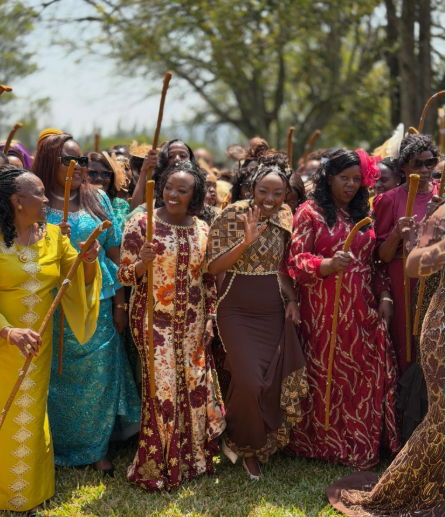
At a Kalenjin koito traditional engagement and dowry ceremony, while male leaders carry the straight baton, which is often black in colour, women carry or receive a distinct long, curved wooden stick known as the Sosiet.
The presence of the Sosiet among women at Charlene Ruto’s koito and Kalenjin traditional weddings in general is rooted in specific cultural functions.
In Kalenjin culture, sosiet is a traditional cleaning and texturing brush made from a dried wild palm branch. During marriage rituals, it serves as a central symbol of domestic responsibility, a bride’s transition to womanhood, and family hospitality.
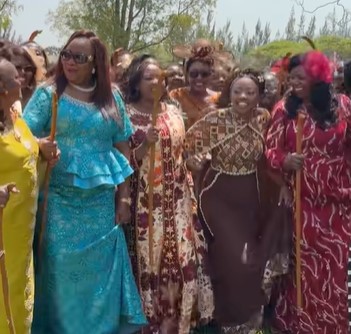
First Lady Rachel Ruto and Ida Odinga, alongside her friends, were seen carrying the traditional curved wooden ceremonial staff commonly used by Kalenjin women elders during important cultural ceremonies such as koito.
Symbol of matriarchal authority
While the male staff symbolises community leadership and negotiation power, the Sosiet represents domestic authority.
Presented by mothers, aunts, or senior women elders, it marks a woman’s elevation to a respected matriarch and manager of her new household.
During the Koito, elder women carry sosiet, which will also be given to the bride; receiving the sosiet signifies her readiness to manage her own home, handle domestic chores, and feed her family.
A token of protection and rights
In Kalenjin marriage customs, the sosiet is given to the bride as a physical reminder of her dignity and rights. Traditionally, elders instruct the bride to keep her safe in her new home.
It serves as a visual symbol that she enters the marriage with the full backing, protection, and blessing of her maiden family.

Passing of maternal wisdom
The curved shape of the stick distinguishes it from male walking sticks or weapons. Carrying the sosiet during ceremonial dances and processions signifies the continuous line of female lineage transferring wisdom, resilience, and family blessings from elder women to the younger generation.
Together with the mursik gourd (sotet) and traditional attire, the sosiet completes the formal cultural identity of a Kalenjin woman during major family rites.