Advertisement
Factors to consider before buying household furniture
16th April, 2026 11:09 PM
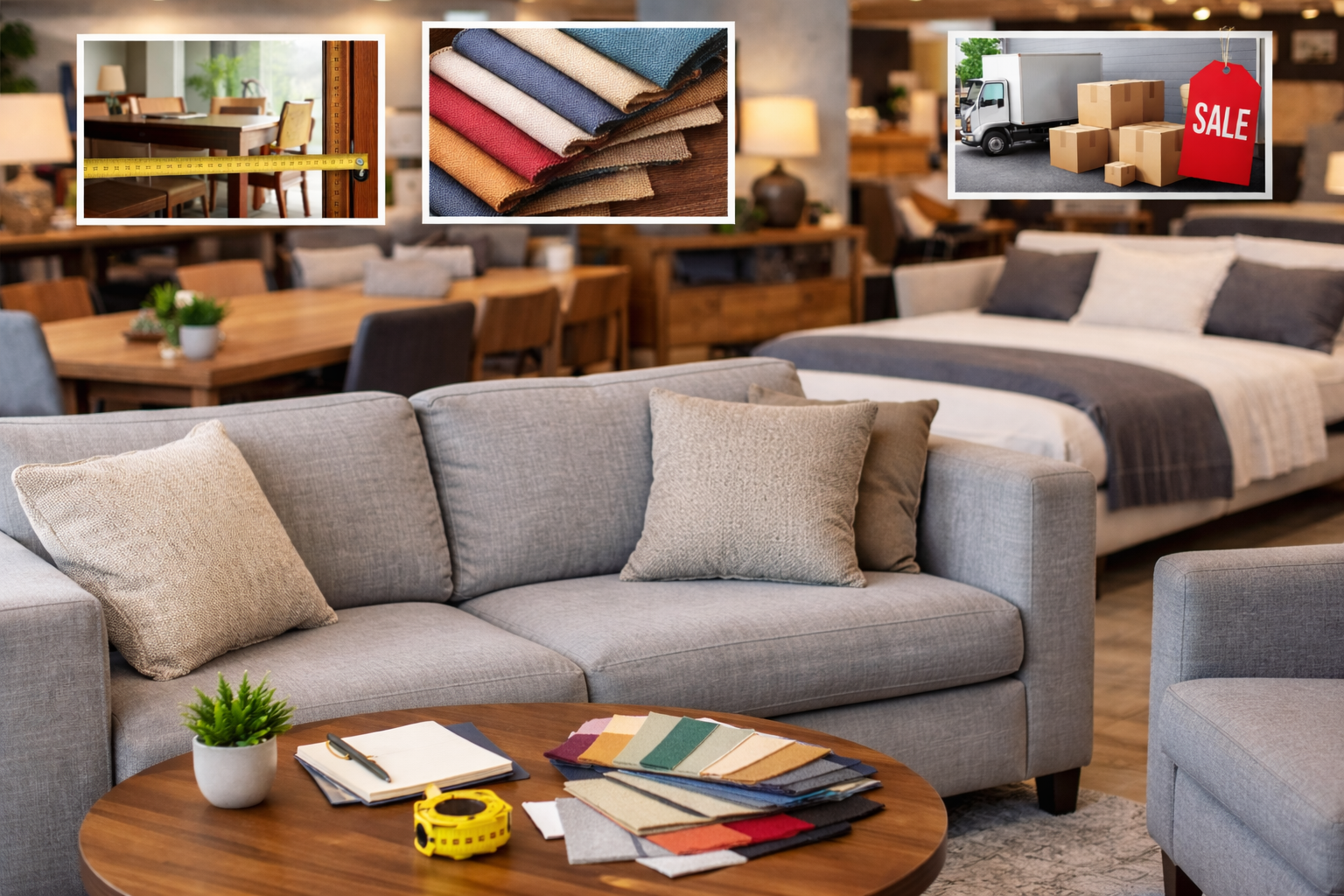
Buying household furniture is more than just filling up space; it is an investment in comfort, functionality, and style. With a wide variety of options in the market, consumers are increasingly being advised to make informed decisions to avoid costly mistakes.
With careful planning and consideration, buying household furniture can be a rewarding experience. Consumers need to balance cost, quality, and functionality to ensure their choices meet both immediate needs and long-term expectations.
Value for money
One of the first considerations is budget. It is good to set a clear spending limit before shopping to avoid impulse purchases. While cheaper options may seem attractive, durability and long-term value should take priority.
High-quality furniture may cost more upfront but often proves more economical over time due to its longevity and reduced maintenance costs.
Space and measurements
Before making a purchase, it is essential to assess the available space. Buyers should take accurate measurements of their rooms, including doorways and hallways, to ensure the furniture fits comfortably and can be moved into the house without difficulty.
Oversized furniture can make a room feel cramped, while undersized pieces may leave spaces looking incomplete.
Functionality and needs
Furniture should match the user’s lifestyle. For instance, families with children may prioritize durable and easy-to-clean materials, while individuals living in smaller spaces may opt for multifunctional pieces such as sofa beds or storage ottomans.
Understanding how the furniture will be used helps in choosing pieces that serve both practical and aesthetic purposes.
Material and durability
The type of material used significantly affects the durability and maintenance of furniture. Solid wood, metal, and high-quality upholstery tend to last longer compared to cheaper alternatives.
Buyers are advised to check the build quality, including joints, finishes, and fabric strength, to ensure the furniture can withstand daily use.
Comfort
Comfort is a key factor, especially for items such as sofas, chairs, and beds. Testing furniture before purchase is highly recommended to ensure it provides adequate support.
Ergonomically designed furniture can also help prevent health issues such as back pain, particularly for people who spend long hours sitting.
Style
While functionality is important, style also plays a role in creating a cohesive look within the home. Buyers should consider how new furniture will blend with existing décor, including colour schemes and design themes.
Neutral colours are often preferred for larger pieces, as they are easier to match with changing interior styles.
Delivery and aAfter-sales services
Consumers should also inquire about delivery timelines, assembly services, and warranty options. Reliable after-sales support can make a significant difference in case of defects or damages.
Sustainability and local options
There is growing interest in eco-friendly and locally made furniture. Supporting local artisans not only boosts the economy but also provides access to unique, high-quality pieces.
Environmentally conscious buyers may also look for sustainably sourced materials and production practices.
Author
Francis Muli
Francis Muli is an editor and passionate digital journalist with extensive experience in crafting compelling stories across various platforms. His major focus is in business, politics and current affairs. He has a keen eye for detail and a commitment to uncovering the truth. He has contributed to leading publications across the country. When not chasing stories, you can find Muli exploring new technologies, attending local events, or reading fiction. Connect with Francis Muli on X @FMuliKE and Facebook (Francis Muli) to follow his latest stories and insights.
View all posts by Francis Muli