Advertisement
Why you should never clean wooden furniture using white vinegar
06th August, 2026 01:36 PM
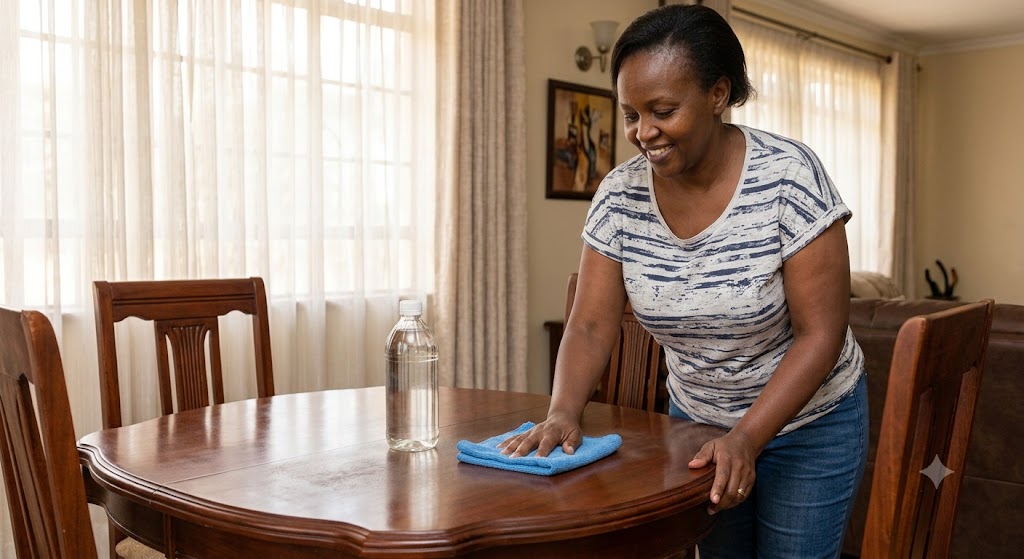
Many people across the globe love using white vinegar around the house. It is cheap, easy to find, and works wonders when scrubbing kitchen tiles or making glass windows shine.
But if you have been splashing vinegar onto your polished dining table, wooden wardrobes, or sofa frames, you might be doing serious damage without knowing it.
It might look clean for a minute, but that strong acid is quietly eating away at the finish that keeps your wood safe.
How vinegar slowly eats away your wood finish
The main reason vinegar cleans so well is acetic acid. Most bottles of household vinegar contain about five percent acid. That acidity easily cuts through dirt on ceramic tiles, but wood finishes cannot handle it.
Whether your tables have modern varnish, polyurethane, or old-school lacquer, these clear topcoats are there to shield the wood from water, spills, and everyday use.
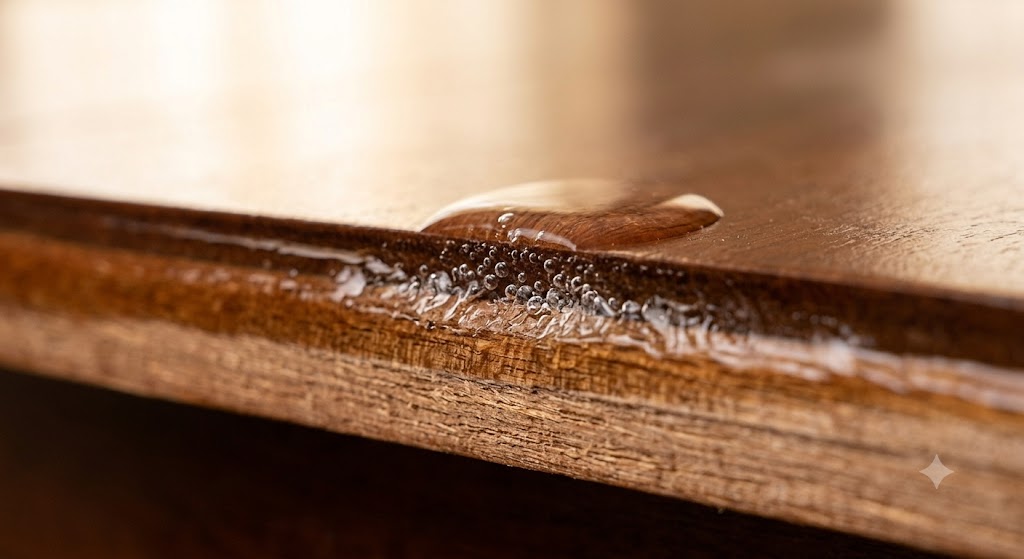
When you wipe raw vinegar on polished wood, the acid starts breaking down the chemical layer holding that topcoat together. Use it again and again, and that protective seal simply dissolves and vanishes.
In peer-reviewed material research, scientists found that “organic acids have been reported to depolymerise cellulosebased materials such as paper, damage varnish, corrode metals.”
Once that protective varnish is stripped, your bare wood is completely exposed to humidity in the air and accidental tea or water spills. The raw wood drinks up that moisture, which leads to swelling, dark spots, and ugly surface cracks over time.
Instead of having a smooth, warm shine, your favourite furniture ends up looking dull, faded, and old.
A simple and safe way to keep your wood shining
You do not need fancy store-bought chemicals or harsh liquids to keep your furniture looking fresh. Taking proper care of wood is actually much simpler than most people think.
First, wipe down the surface using a dry microfiber cloth to grab any loose dust. If you have sticky stains from food or fingerprints, take a soft cloth and damp it slightly with warm water.
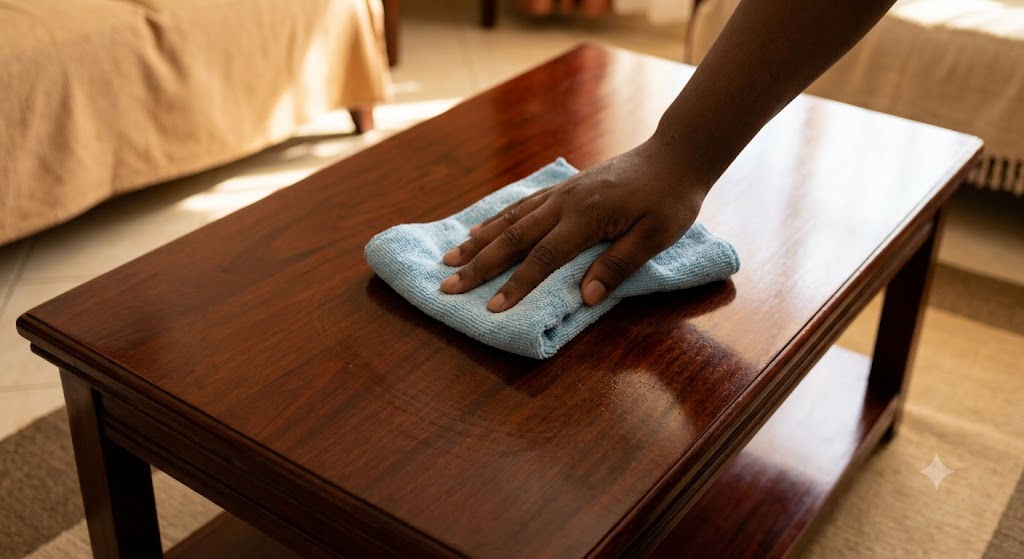
Make sure you wring out every drop of excess water so the cloth is barely damp. Wipe gently along the direction of the wood grain, and follow up right away with a dry towel.
To bring back that rich lustre, put just a single drop of mineral oil or food-grade oil onto a clean cloth and rub it in lightly. A bottle from the local shop will last you months, keeping the surface safe from dust while letting the natural beauty of the wood show through.
Skipping harsh acids will help your tables and chairs stay solid and bright for years to come.