Advertisement
Best foods to relieve constipation naturally
29th March, 2026 10:26 PM
Constipation is a common digestive condition where bowel movements become infrequent, difficult, or painful.
Clinically, it is often defined as passing stool fewer than three times per week, producing hard or dry stool, or feeling incomplete emptying after a bowel movement.
It is widely linked to low fibre intake, dehydration, inactivity, and certain medications.
This guide focuses on evidence based foods that help relieve constipation safely and effectively, while supporting long term gut health.
What is constipation
Constipation occurs when stool moves too slowly through the colon. As it sits longer, more water is absorbed from it, making it hard, dry, and difficult to pass.
Common symptoms include straining, bloating, abdominal discomfort, and a reduced frequency of bowel movements.
Increasing dietary fibre and fluid intake is one of the most proven and medically recommended ways to manage constipation.
Apples
Apples are a well studied source of dietary fibre, providing about 4 grams per medium fruit. They are particularly rich in pectin, a soluble fibre.
Pectin works by increasing stool bulk and improving movement through the intestines.
It also feeds beneficial gut bacteria, which produce compounds that stimulate bowel activity.
For best results, apples should be eaten with the skin, as most of the fibre is concentrated there.
Oats
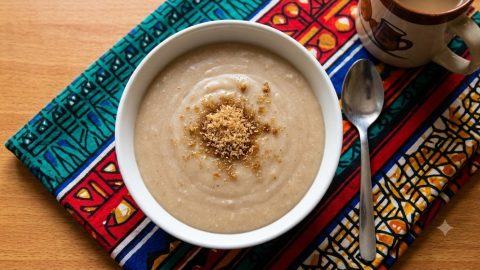
Oats contain beta glucan, a soluble fibre that forms a gel like substance in the digestive tract.
This gel helps retain water in stool, making it softer and easier to pass.
Research shows that beta glucan improves stool frequency and consistency, especially in people with mild constipation.
Oats also support healthy gut bacteria, which play a role in digestion and bowel regularity.
Leafy green vegetables
Leafy greens such as spinach, kale, and sukuma wiki are high in fibre and magnesium.
Fibre adds bulk to stool, while magnesium helps draw water into the intestines, softening stool and promoting bowel movement.
These vegetables also support overall digestive health through vitamins and antioxidants.
Regular consumption can help maintain consistent bowel habits.
Beans and lentils
Beans, lentils, and chickpeas are among the richest natural sources of fibre. They contain both soluble and insoluble fibre.
Insoluble fibre increases stool bulk and speeds up movement through the digestive tract.
Soluble fibre helps soften stool. Together, they improve overall bowel function.
They also contain resistant starch, which feeds beneficial gut bacteria and enhances gut health.
Prunes
Prunes are one of the most clinically supported foods for relieving constipation.
They contain fibre, sorbitol, and natural compounds that stimulate digestion.
Sorbitol acts as an osmotic agent, drawing water into the colon and softening stool.
Studies have shown that prunes can improve stool frequency and consistency more effectively than some fibre supplements.
Chia seeds
Chia seeds are highly concentrated in fibre, providing about 10 grams in just two tablespoons.
When mixed with liquid, they form a gel that helps soften stool and support smooth passage through the intestines.
This gel also promotes the growth of beneficial gut bacteria.
They can be easily added to water, porridge, or yoghurt.
Sweet potatoes
Sweet potatoes are rich in both soluble and insoluble fibre, especially when eaten with the skin.
They help increase stool bulk and retain moisture, making bowel movements easier.
They also provide natural sugars and water, which can support digestive movement.
They are a gentle and effective option for improving bowel regularity.
Water rich fruits
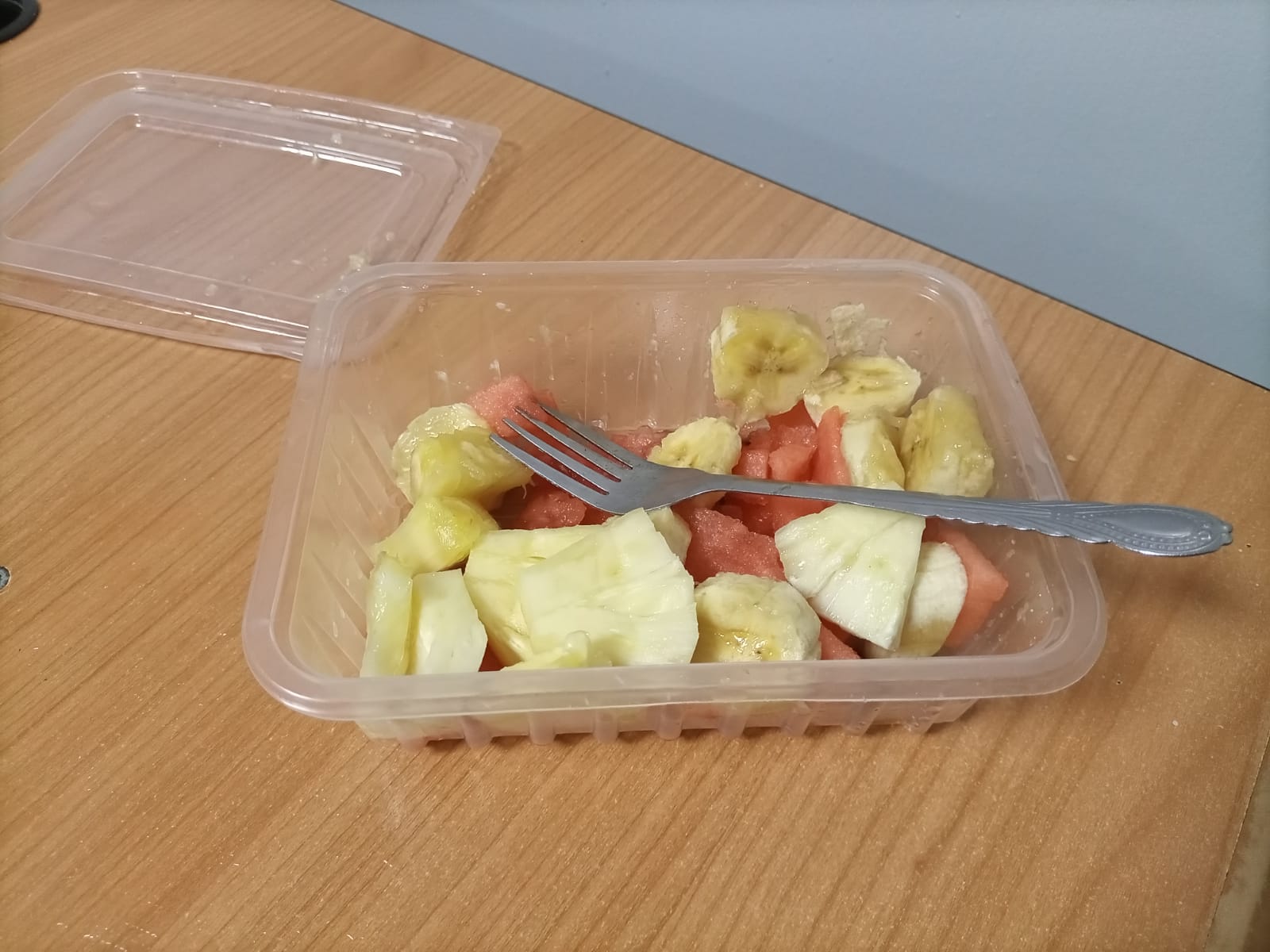
Fruits such as watermelon, oranges, and pawpaw provide both hydration and fibre.
Water plays a critical role in preventing constipation by keeping stool soft.
These fruits help increase fluid intake while contributing to fibre consumption.
Combining fibre rich foods with adequate hydration is essential for effectiveness.
Why hydration matters
Fibre cannot work properly without enough water. When fluid intake is low, stool becomes harder and more difficult to pass.
Drinking sufficient water ensures that fibre can absorb moisture, soften stool, and support smooth bowel movements.
When to seek medical advice
Persistent constipation lasting several weeks, or symptoms such as blood in stool, severe pain, or unexplained weight loss, require medical evaluation.
These may indicate underlying health conditions that need treatment.
Constipation can often be managed through simple, evidence based dietary changes.
Foods rich in fibre such as fruits, vegetables, legumes, and whole grains work by adding bulk, softening stool, and supporting gut health.
Combined with proper hydration, they provide a safe and effective approach to improving bowel regularity and overall digestive function.