Advertisement
Inside 3 important steps in a traditional Kalenjin koito ceremony
08th August, 2026 03:15 PM
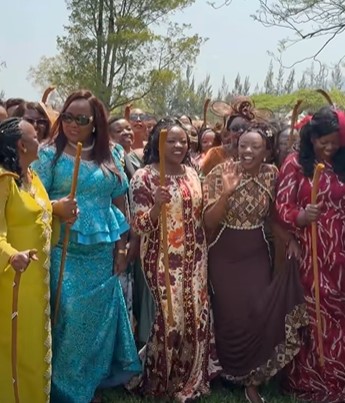
The Kalenjin community is one of the largest ethnic groups in Kenya and one that holds its traditions and customs, especially when it comes to marriage.
Among the Kalenjin community, ‘koito’ refers to the traditional marriage negotiation process that joins two families before a couple is formally recognised as husband and wife.
While practices may vary slightly among Kalenjin subgroups such as the Nandi, Kipsigis, Tugen, Keiyo, Marakwet, Pokot, Sabaot, and Terik, the core stages are broadly similar across the community.
For the Kalenjin, marriage is not just a union between two individuals but a sacred bond that ties families and clans together.
The first visit: Introduction of families
The koito process usually begins with a formal visit by the groom’s family to the bride’s home. This visit is not simply a social call. It is meant to introduce the families and express the young man’s intention to marry.
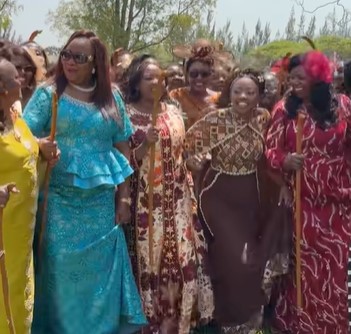
Elders from the groom’s side often accompany him because marriage is traditionally viewed as a union between families, not only between two individuals.
During this meeting, the families get to know each other, discuss clan relationships, and confirm that there are no cultural restrictions to the marriage.
A crucial part of this meeting is sharing clan names (oret) and animal totems (tiondo) to avoid the taboo of marrying within the same clan. These traditions ensure that lineage and family honour are preserved.
In many Kalenjin communities, this first step is conducted respectfully and cautiously, with elders guiding the conversation.
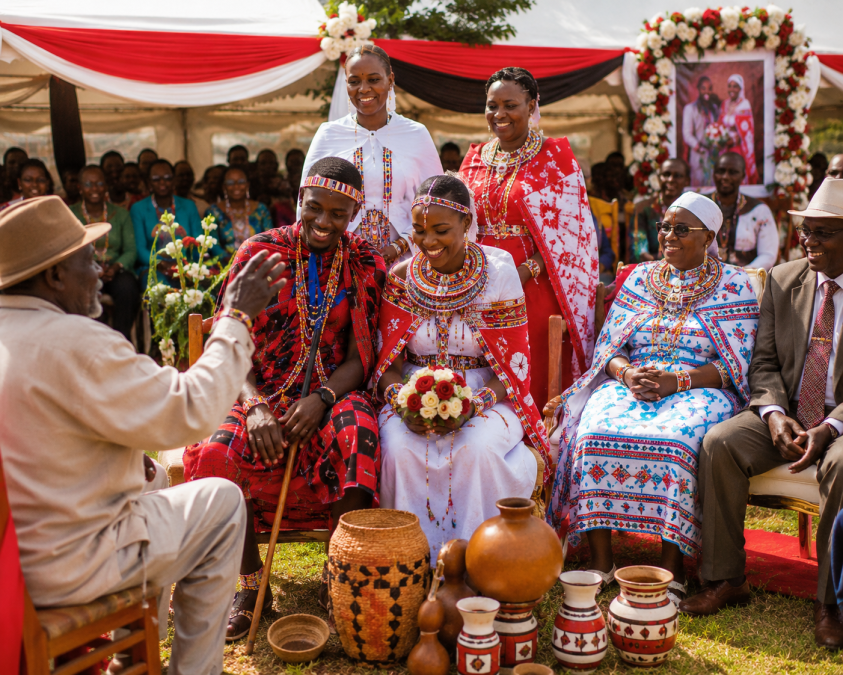
Stage two: (Koito) negotiation of bride wealth
After the families have agreed to proceed, the next major step is the discussion of bride wealth, commonly referred to as dowry negotiations.
Traditionally, cattle were the most important form of bride wealth among the Kalenjin because they represented wealth, responsibility, and the groom’s ability to provide for a family.
The number of animals discussed may depend on family customs, the advice of elders, and what both families consider reasonable.
The negotiations are usually handled by appointed spokesmen or elders rather than by the bride and groom directly. The aim is not merely to place a monetary value on the bride but to create a formal bond and mutual obligations between the two families.
Today, some families may include money alongside livestock, but cattle remain an important cultural symbol in many traditional ceremonies.
Once the dowry is agreed upon, a celebration usually follows, with food, dance, and traditional songs that honour both families. This formalises the engagement and sets the stage for the final union.
Blessing and formalisation of the union
The final key step is the blessing and formal recognition of the marriage. Once agreements have been reached and the required bride wealth has been delivered in full or in part, elders from both sides conduct prayers, blessings, and symbolic acts that confirm the union.
The couple sits opposite each other as the officiating elder chants blessings. A sacred grass plait, known as segutyet, is anointed with butter and used during the ritual.
Sacred leaves from the korosek plant are waved around the couple four times as a sign of spiritual cleansing and unity.
This stage may include sharing a meal, giving advice to the couple, and publicly acknowledging the bride as part of the groom’s family. Elders traditionally offer guidance on marriage, respect, family responsibilities, and community values.
The blessing is significant because it marks the transition from courtship and negotiation to a recognised marriage relationship within the community.