Advertisement
The cost of looking fit: How much does maintaining a gym lifestyle really require?
22nd September, 2026 08:05 AM
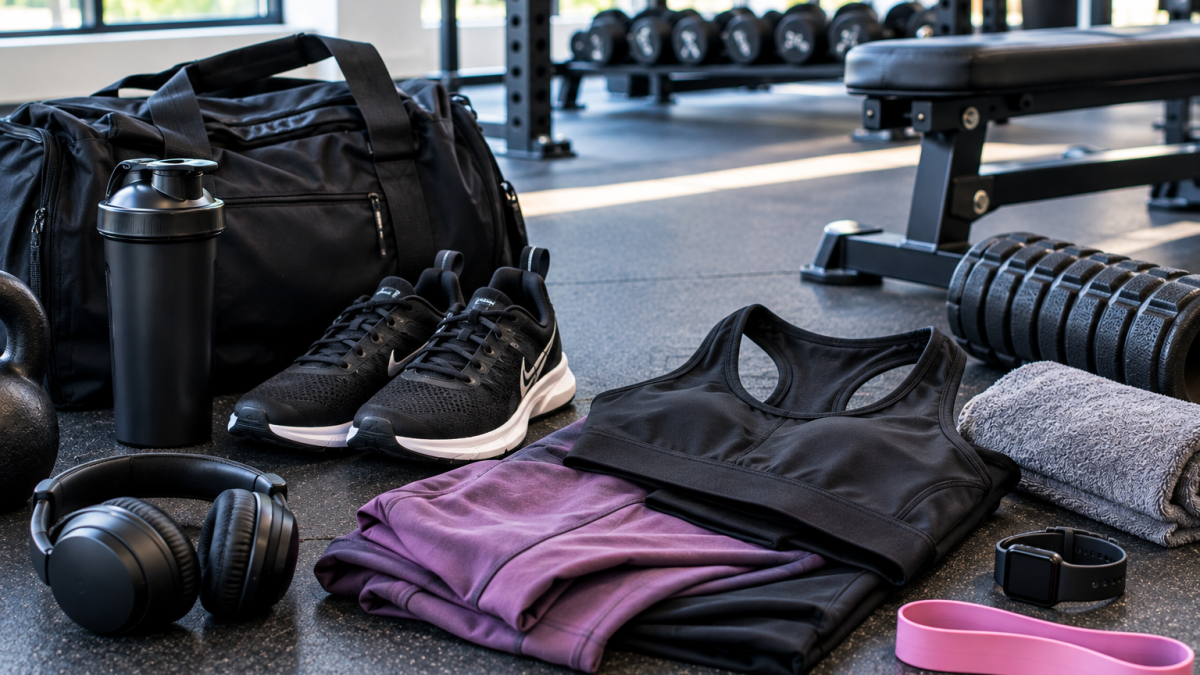
Looking fit can be expensive in Kenya, especially when going to the gym becomes more than a few weekly workouts. There is the membership fee, the cost of eating enough protein, training clothes, supplements and the transport needed to get to the gym. For someone trying to build muscle, lose weight or simply maintain an active lifestyle, these expenses can quickly become part of the monthly budget.
The fitness industry also knows how to tempt people. One person arrives in matching gym clothes, another carries a large protein shaker, and suddenly your old T-shirt and home-cooked beans seem inadequate. Social media adds pressure, making fitness look like a lifestyle that requires a carefully designed wardrobe and a refrigerator full of meal-prepped food.
However, maintaining a healthy body does not require everyone to spend the same amount of money. The real cost depends on individual goals, where you exercise, what you eat and the products you choose. In Kenya, a person who trains at a local gym and cooks at home will have different expenses from someone who pays for a premium fitness club and buys supplements regularly.
Here are five important costs to consider when building a gym lifestyle without losing control of your finances.
1. Gym membership and transport
A gym membership is usually the first expense people consider, but the amount you pay depends on the facility you choose. A neighbourhood gym, a specialised weightlifting facility and a premium fitness club can have very different prices. Location also matters, particularly in Nairobi, where some fitness centres charge more for their facilities and convenience.
For someone working a regular office job, the cost of getting to the gym can be just as important as the membership itself. A gym that costs Ksh3,000 per month but requires daily transport could become more expensive than one that costs Ksh5,000 and is within walking distance.
Transport costs of Ksh100 per workout, for example, add up to Ksh2,400 over 24 visits. That is money that could otherwise go towards groceries or other necessities.
Before joining, consider the distance, opening hours and equipment available. If you enjoy lifting weights, check whether the gym has suitable dumbbells, barbells and machines. If you prefer cardio, look at the treadmills, bikes or available outdoor options.
The most expensive gym is not automatically the most useful. A reasonably priced facility where you train consistently may offer more value than an impressive membership that you barely use.
2. Protein foods can stretch the shopping budget
Anyone who has started taking fitness seriously knows that the workout does not end when you leave the gym. There is also the question of what to eat afterwards.
Protein supports muscle repair and growth, making it an important part of a strength-training diet. However, building meals around protein can increase grocery expenses, particularly when you regularly purchase chicken, beef, eggs, milk and other protein sources.
Kenyan households already have access to affordable options such as beans, ndengu, omena, eggs and milk. These foods can form part of a balanced diet, depending on individual nutritional needs and preferences. The challenge is finding a practical combination that works with your income.
Meal planning can help reduce unnecessary spending. Buying dry foods in reasonable quantities, preparing meals at home and carrying food to work may be more economical than purchasing lunch and dinner every day.
It is also important to avoid confusing expensive food with better nutrition. A bowl of beans and rice may not look like the meal served by a trendy fitness café, but it can still contribute to your nutritional needs.
The goal is to eat adequately and consistently, not to turn every meal into a luxury purchase.
3. Supplements can become a costly habit
Walk into a fitness store and you will find products promising support for muscle growth, recovery and performance. Protein powders, creatine and pre-workout supplements have become familiar to many gym enthusiasts.
Some supplements can be useful for particular training and nutritional goals, but not everyone needs them. Your diet, exercise routine and individual circumstances should guide your decisions.
Protein powder, for instance, can be convenient for someone who struggles to consume enough protein through food. However, buying it every month can add a considerable expense to a modest budget. Creatine also involves recurring costs, depending on the product and how much you use.
Before purchasing, compare the price per serving, ingredient information and the credibility of the seller. Be cautious about products that make exaggerated promises or suggest that results are guaranteed.
There is no shame in choosing ordinary food over an expensive supplement. The person carrying a shaker bottle is not automatically training harder than the person carrying a container of boiled eggs.
4. Fitness fashion and equipment
The gym has its own fashion culture. Comfortable leggings, breathable tops, supportive sports bras and suitable shoes can make exercise more enjoyable. However, the pressure to keep buying new outfits can turn fitness into a shopping competition.
A practical workout wardrobe does not need to be extensive. A few durable outfits that allow movement and withstand regular washing may be enough for your routine.
Shoes deserve particular attention because different activities have different requirements. Someone who runs regularly may need footwear designed for running, while a person focused on strength training may have different preferences.
Other items, including gym bags, water bottles, resistance bands and fitness watches, can also increase spending. Some are useful, but not every product is necessary from the beginning.
Start with what supports your actual workouts. You can add equipment gradually when you understand your needs and have room in your budget.
5. Affordable alternatives can support your goals
A gym membership is helpful, but it is not the only way to stay active. Walking, running, bodyweight exercises and outdoor workouts can provide affordable ways to maintain movement.
For people interested in strength training, gym equipment may be important for progressively increasing resistance. However, home workouts and outdoor activities can complement gym sessions, especially when time or money is limited.
You can walk to nearby destinations, follow a structured bodyweight routine or use public spaces for running. Those who already pay for a gym can combine their membership with free activities instead of feeling obligated to complete every workout inside the facility.
The important thing is to choose activities that fit your lifestyle and physical ability. A sustainable routine is one you can maintain without constantly worrying about the next payment.