Advertisement
Googlebook: What Google’s new AI-powered laptop means for android users
22nd September, 2026 07:44 AM

Google has introduced a new category of laptops for people who already use Android phones, bringing the phone and computer closer together while putting artificial intelligence at the centre of the experience.
Called Googlebook, the new laptops combine Android technology with desktop features from ChromeOS and are designed around Google’s Gemini AI. Pre-orders opened on September 21, 2026, with the first devices starting at Ksh116,400.
For Android users, however, the main change is not simply the laptop itself. Googlebook is designed to make it easier to move between a phone and a computer without treating the two devices as separate pieces of technology.
A laptop built around Android
Googlebook uses the Android technology stack alongside desktop foundations from ChromeOS. This lets Google bring some of the features Android users already know to a larger screen.
According to Google, the laptop is designed to work with Android phones straight out of the box. Users can access files stored on their phones from the Googlebook, continue certain activities across devices, and use phone apps from the laptop.
The Quick Access feature, for instance, allows users to view, search, and insert files from their connected Android phone without having to go through the usual process of transferring them first.
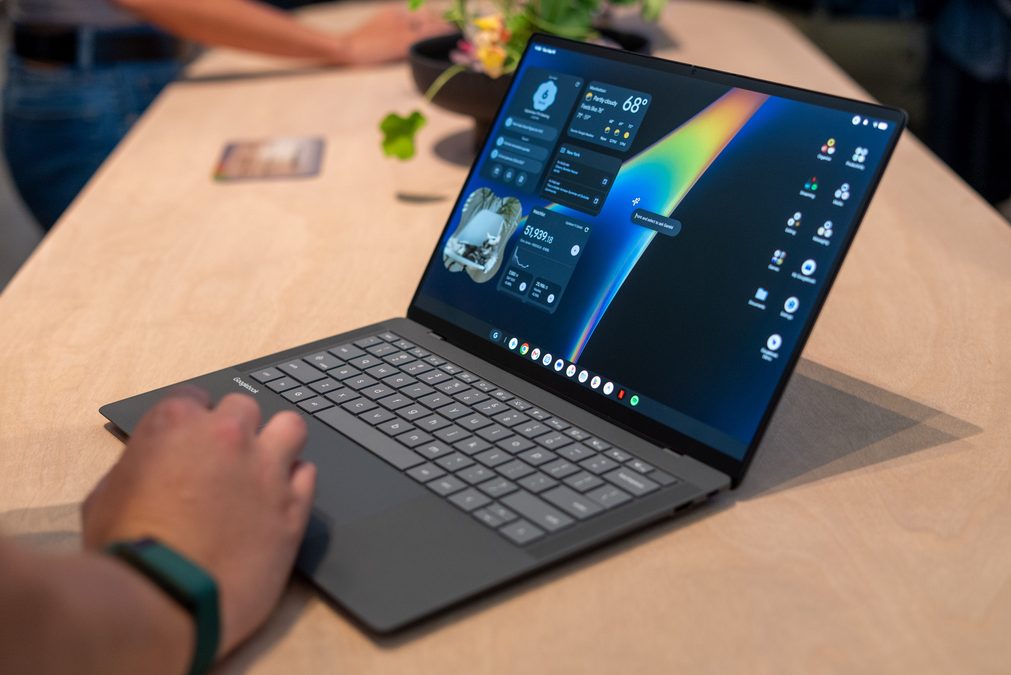
This could be useful for someone who takes a photo on their phone and later needs to use it in a document on their laptop.
Android apps get a bigger screen
Googlebook also aims to improve the way Android applications work on laptops.
Instead of treating a phone and laptop as completely separate devices, Google is building the experience so that Android apps can be used more naturally on the larger display.
Users can also cast supported apps from their Android phones onto the laptop. This means a task that begins on a phone does not necessarily have to stop there.
The approach is different from the traditional Chromebook experience, where Android apps were added to a ChromeOS environment. Googlebook is being built on a shared Android foundation, with the company aiming for closer integration between the two types of devices.
Gemini is part of the laptop experience
Artificial intelligence is another major part of Googlebook.
One of the main features is Magic Pointer, which connects the cursor to Gemini. When a user moves the cursor in a certain way over content on the screen, Gemini can offer suggestions based on what is being viewed.
For example, a date in an email can be used to create a calendar event, while selected images can be combined or used to create a visual idea. Google has also introduced Rambler, an AI-powered voice dictation feature that can turn rough spoken thoughts into more organised text.
The company says Googlebook’s built-in intelligence is intended to help users with everyday tasks rather than simply act as a separate chatbot.
Premium laptops rather than budget Chromebooks
Googlebook is also positioned differently from the affordable Chromebooks that many people know.
According to Google, the first models will be made by Acer, ASUS, Dell, HP and Lenovo, with prices starting at Ksh116,400. The devices feature premium materials, OLED displays on some models, haptic glass trackpads and processors from Intel and Qualcomm.
Google says the laptops can offer up to 14 hours of battery life and will receive software updates for up to 10 years.
The company has also made it clear that Googlebook is not immediately replacing Chromebooks. Existing Chromebook users will continue to receive support, while Googlebook is aimed at a different segment of the laptop market.
What this means for Android users
For people already using Android phones, Googlebook represents a move towards a more connected experience between mobile and desktop devices.
Instead of repeatedly sending files to themselves, switching between applications or starting tasks again on another device, users can move more easily between their phone and laptop.
For now, Google is betting that the combination of Android integration, premium hardware, and Gemini AI can make the laptop feel like a natural extension of an Android phone rather than another separate device.