Advertisement
Benefits of eating Njugu Karanga you probably didn’t know
15th April, 2026 02:48 PM
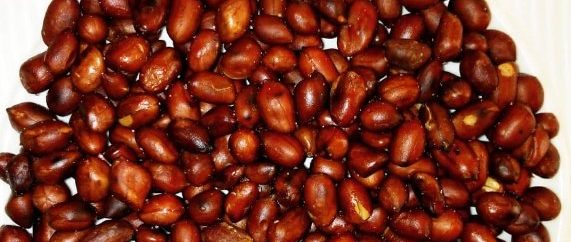
Peanuts, or rather Njugu Karanga in Kenya, are mostly associated with those who chew miraa, but on the contrary, it is just a food like any other.
It is affordable, widely available and packed with nutrients many people overlook.
Whether roasted, boiled, crushed into sauce or eaten as a snack, peanuts can be a smart part of a healthy diet when taken in the right portions.
Many people dismiss peanuts as a simple roadside snack.
Yet nutrition experts place them among nutrient-dense foods because they provide healthy fats, plant protein, fibre, vitamins and important minerals in one small serving.
That combination is one reason peanuts keep showing up in research linked to heart and metabolic health.
They keep you full longer
If you often feel hungry shortly after eating, peanuts may help. Their mix of protein, fibre and healthy fats slows digestion and can improve satiety.
In simple terms, they help you stay satisfied for longer, which may reduce random snacking between meals.
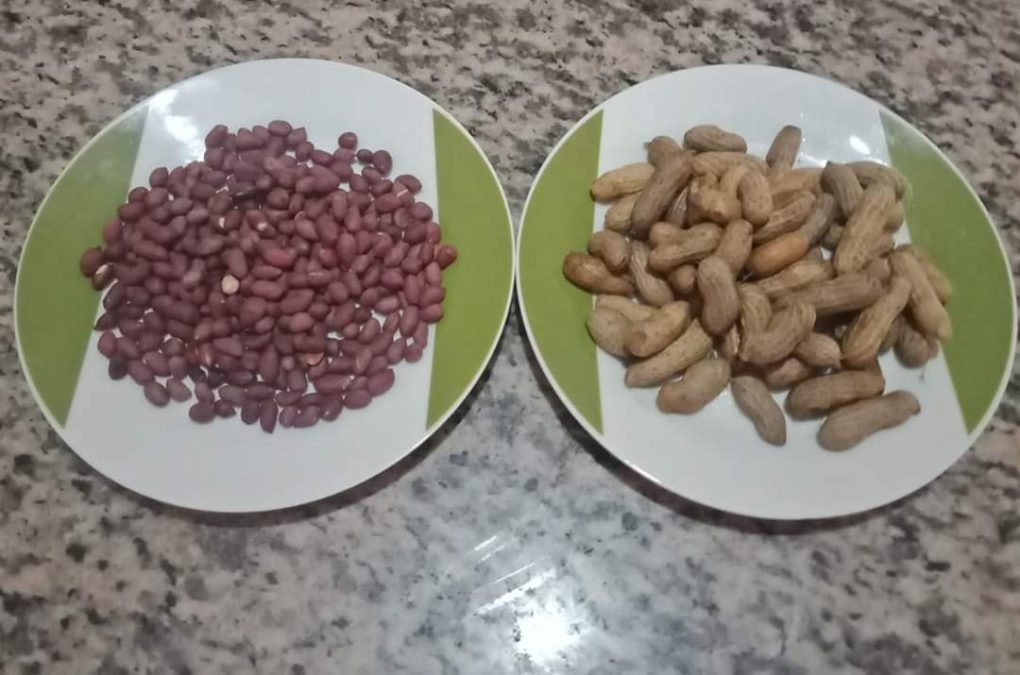
That is why a small handful of peanuts can be more useful than sugary snacks that spike hunger again after a short time.
Portion size still matters because peanuts are energy-dense.
Heart health
Peanuts contain mostly unsaturated fats, the kind commonly linked with better heart health when they replace excess saturated fats in the diet.
They also contain plant sterols, fibre and other compounds that may support healthy cholesterol levels.
Large observational studies have found that people who regularly eat nuts, including peanuts, often have lower rates of cardiovascular disease.
This does not mean peanuts are a magic medicine, but they can be part of a heart-friendly eating pattern.
Body repair
Peanuts are rich in plant protein. Your body uses protein to repair tissues, maintain muscles and support daily functions.
For people who do not eat meat often or want affordable protein options, peanuts can help fill that gap.
Pairing peanuts with other foods such as maize, rice or bread can also create more balanced meals.
Useful vitamins and minerals
Inside that small nut are nutrients your body needs daily. Peanuts provide folate, magnesium, niacin, vitamin E, phosphorus and manganese, among others.
These nutrients help with energy release, nerve function, immunity, bone support and normal cell processes.
It is one reason peanuts are more than “just a snack.”
Blood sugar control
Peanuts are relatively low in carbohydrates compared with many processed snacks.
Because they also contain fat, fibre and protein, they tend to have a gentler effect on blood sugar when eaten in sensible amounts.
That can make them a smarter option than sweets or refined snacks, especially when paired with balanced meals.
Budget-friendly
One reason peanuts matter in Kenya is simple: they are accessible.
Not everyone can buy expensive nuts or costly health foods every week.
Peanuts offer similar nutritional value to many pricier options at a lower cost, making healthy eating more realistic for ordinary households.
What to watch out for
Peanuts are healthy for many people, but not for everyone. Some people have peanut allergies, which can be serious.
Salted or sugar-coated peanuts may also come with extra sodium or sugar.
Poor storage can lead to mould contamination, so buy from clean, trusted sources and store them well.
How to eat Njugu Karanga
A small handful a day, unsalted if possible, is enough for many adults. You can add peanuts to porridge, salads, vegetables, sauces or eat them as a snack.
Variety still matters, so peanuts should complement a balanced diet, not replace everything else.
Njugu Karanga may look ordinary, but they offer real nutritional value.
They can support fullness, provide protein, deliver key minerals and fit into heart-conscious eating. Sometimes the most useful foods are the ones people have been overlooking for years.