Advertisement
How to deal with misogyny in 2026
07th January, 2026 04:44 PM
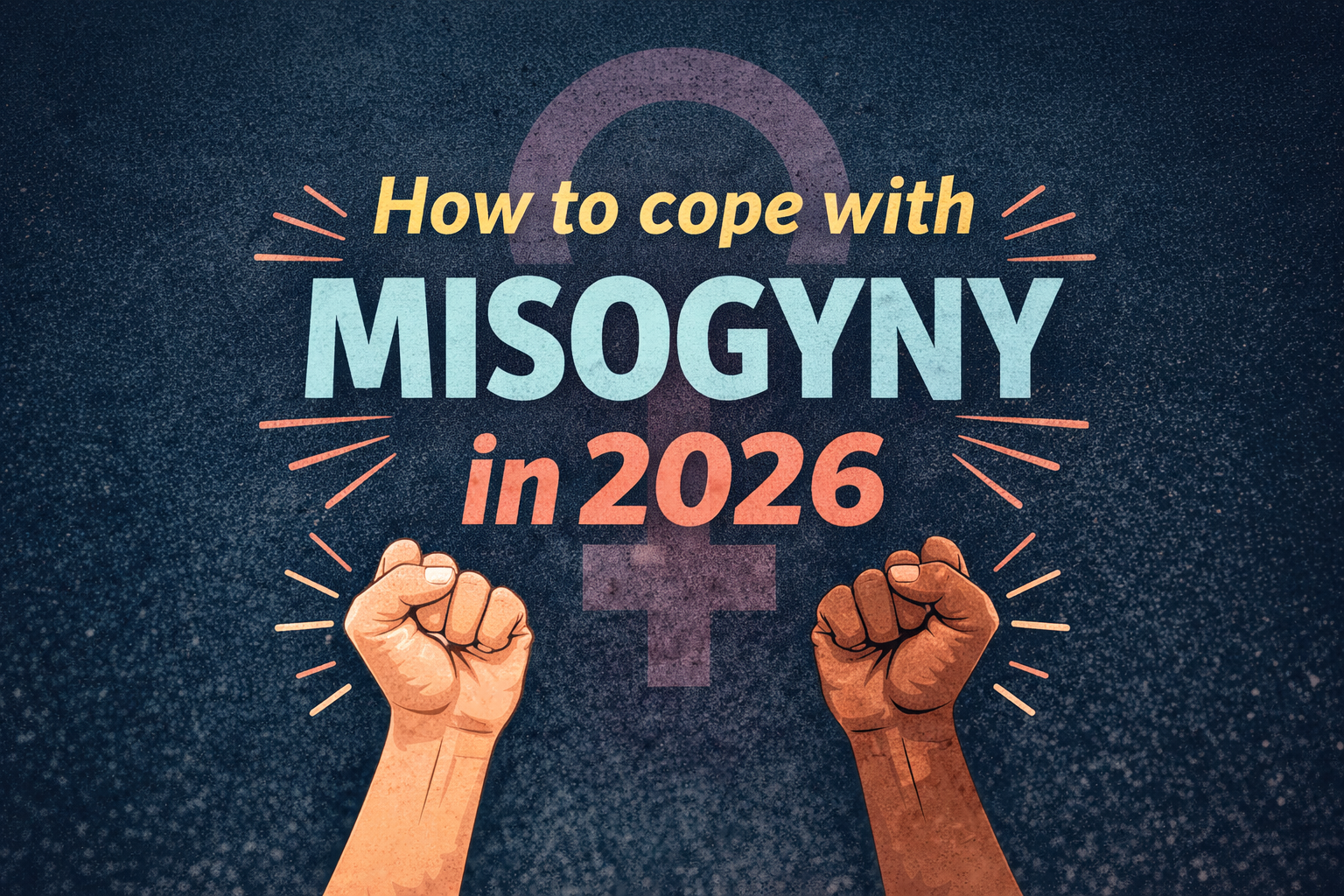
Before dealing with misogyny, it helps to understand what it means. Misogyny is the dislike, disrespect, or prejudice against women simply because they are women.
It can be loud or quiet. Sometimes it shows up as insults, control, or violence. Other times it appears in jokes, dismissive comments, unequal expectations, or being treated as less capable.
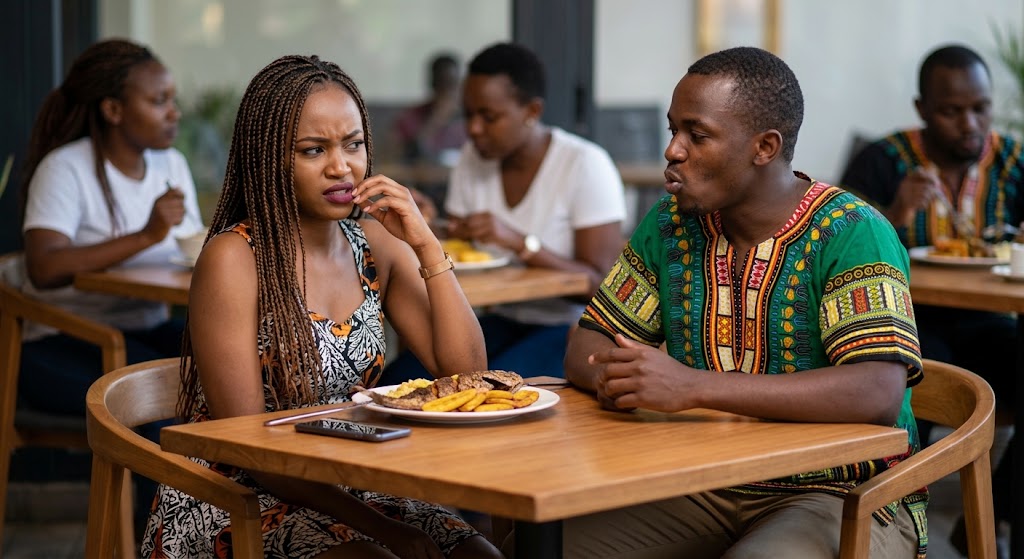
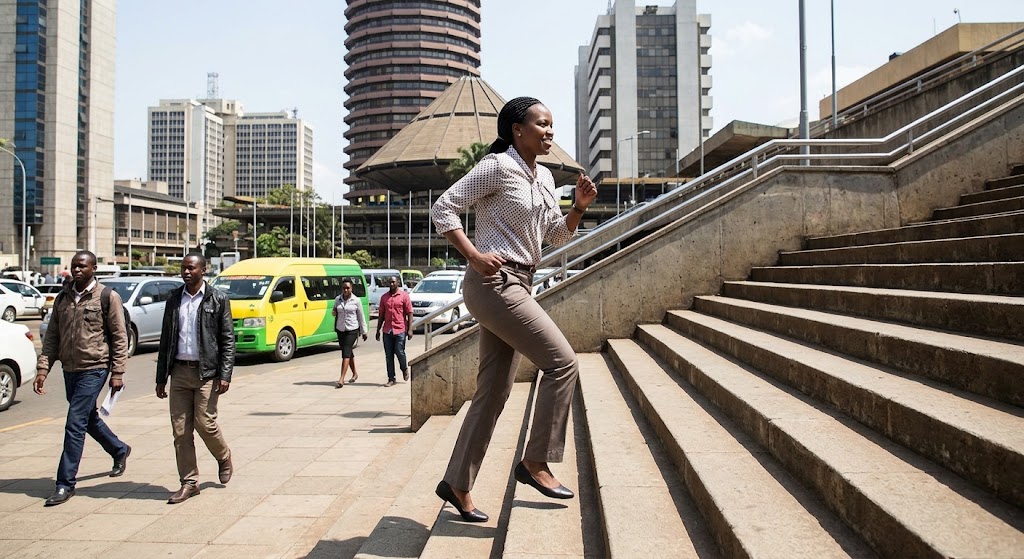
In Kenya, misogyny can appear at home, in workplaces, in relationships, in religious spaces, in politics, and especially online.
If you have noticed this behaviour around you or directed at you, you are not overthinking it. You are seeing something real.
The first step in dealing with misogyny in 2026 is recognising it clearly. Misogyny is not only hatred. It can be subtle.
It looks like being told to “know your place,” being interrupted constantly, being blamed for men’s actions, being shamed for ambition, or being expected to tolerate disrespect for the sake of peace or culture. When you can name it, you stop blaming yourself for how it makes you feel.

Next, understand that misogyny is not your fault. It comes from belief systems that place men above women. It is taught, reinforced, and normalised over time.
When someone treats you as inferior, it reflects their worldview, not your value. Detaching your self worth from how you are treated protects your mental health.
In 2026, one of the most practical tools is setting boundaries. Boundaries do not require shouting or insults. They are clear and firm statements about what you will not accept.
Saying “That comment is inappropriate,” “Do not speak to me like that,” or “I am not comfortable with this” is enough.
You do not owe long explanations. Some people will respect your boundary. Others will resist it. Your responsibility is to maintain it, not to convince them.
Another important skill is choosing when to engage and when to walk away. Not every situation deserves your energy. Online misogyny, for example, often thrives on reaction.
Muting, blocking, or disengaging is not weakness. It is self protection. In physical spaces, removing yourself from toxic environments when possible preserves your peace.

Building support systems matters more than ever. Dealing with misogyny alone is exhausting.
Trusted friends, women’s groups, mentors, faith based communities, or counsellors help you process experiences without self doubt.
In Kenya, shared conversations often help people realise that what they thought was personal is actually systemic.
Education is another powerful tool. Understanding how misogyny operates helps you respond with clarity instead of confusion.
Misogyny often punishes women who speak up, succeed, or refuse to conform. When you see patterns, you stop internalising shame and start recognising structures.
Self care is not optional. Misogyny drains emotional energy. Rest, prayer, journaling, exercise, creative outlets, or therapy help rebuild resilience.
Taking breaks from hostile spaces is necessary. Protecting your mental health is not selfish. It is survival.
Finally, remember that dealing with misogyny does not mean staying silent forever.
When it is safe and appropriate, speaking up matters. Silence should be a choice, not something forced on you. Change often begins with small refusals to accept what has been normalised.
In 2026, dealing with misogyny is about awareness, boundaries, support, and self respect. You are not imagining it. You are not too sensitive. And you do not have to endure disrespect to prove strength. Strength is choosing dignity, even in a world that sometimes resists it.