Advertisement
World International Day on Elimination of Violence Against Women: Why the message still matters
25th November, 2025 01:02 PM
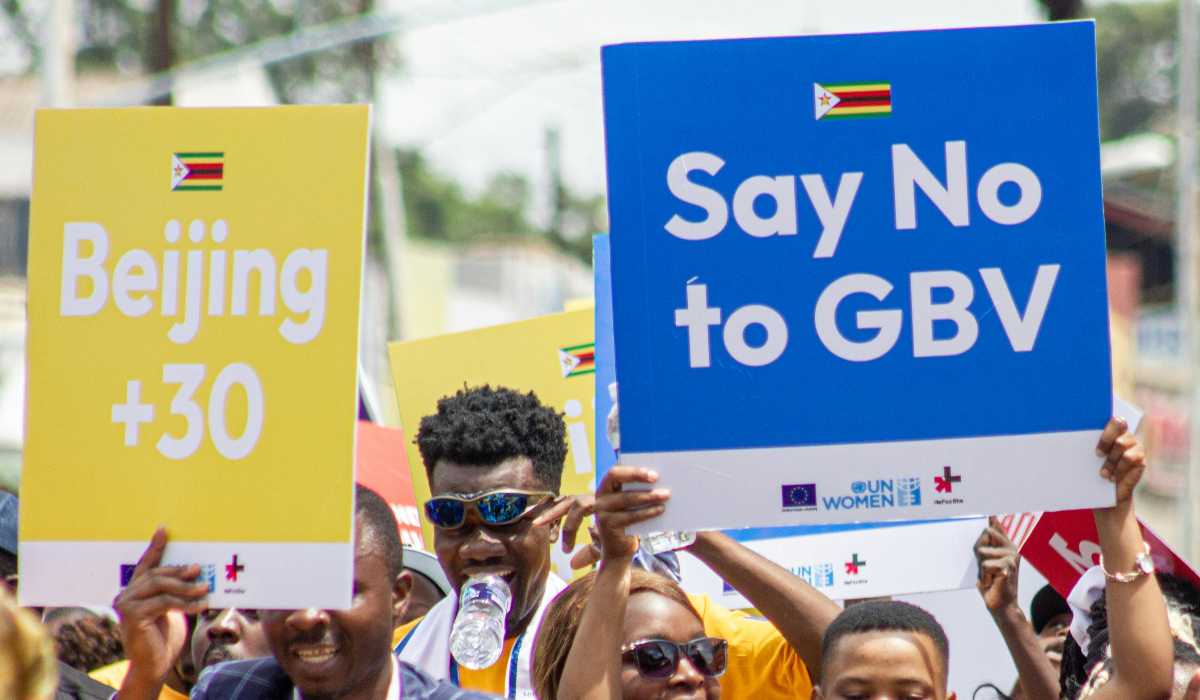
Violence against women and girls continues to be one of the most widespread human rights violations worldwide.
Globally, nearly one in three women has experienced physical or sexual intimate partner violence, non-partner sexual violence, or both at least once in their lifetime. Even more shocking is that one woman or girl is killed every ten minutes by an intimate partner or family member.
Also watch: 3 In 10 women in Kenya experience some form of GBV – World Health Organisation
Governments, international organisations, and civil society groups are intensifying efforts to fight this epidemic through stronger laws, awareness campaigns, and global advocacy.
In Kenya, recent femicide cases have once again highlighted the urgent need for action. The killings of women in various countries have sparked public debate and condemnation, with civil society leaders urging stricter enforcement of laws protecting women and harsher punishments for perpetrators.
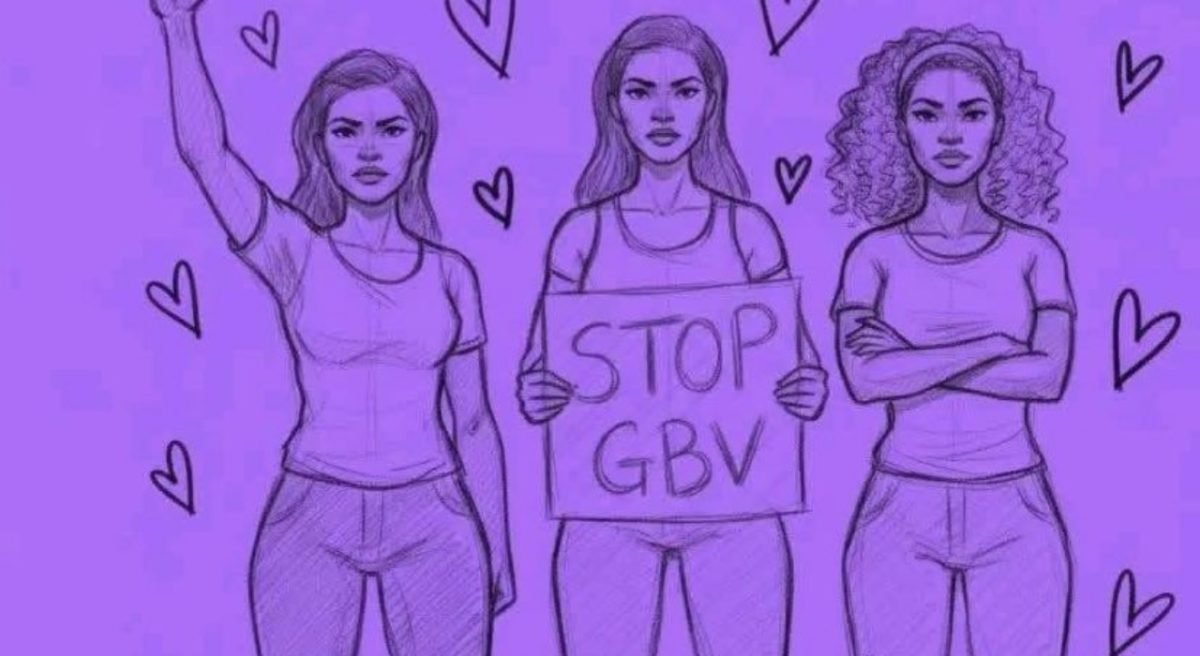
Community organisations, activists, and government agencies are using the World International Day on Elimination of Violence Against Women to bring attention to these tragedies and to educate the public on ways to prevent violence. Many have organised forums, candlelight vigils, and social media campaigns to raise awareness and push for lasting change.
origin
The day has its roots in a tragic event. On November 25, 1960, the Mirabal sisters were assassinated in the Dominican Republic for their courageous fight against injustice under dictator Rafael Trujillo. Their deaths became a symbol of resistance and inspired global action against gender-based violence.
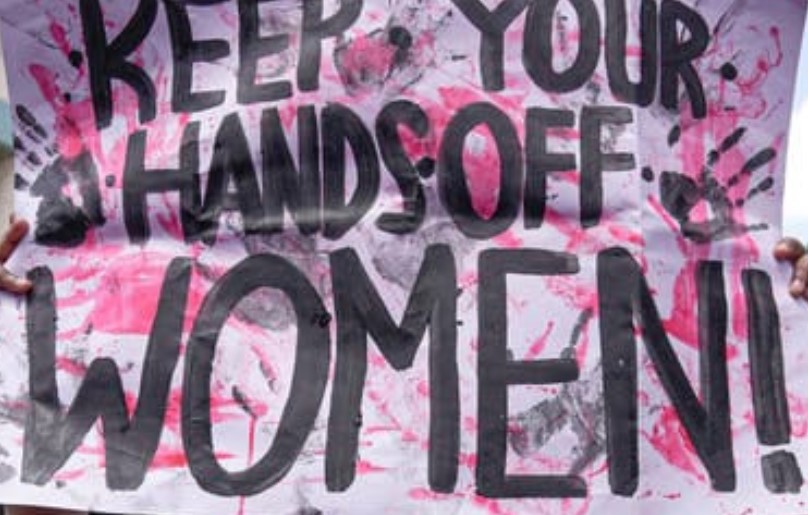
In 1993, the United Nations defined gender-based violence as “any act of gender-based violence that results in, or is likely to result in, physical, sexual, or psychological harm or suffering to women, including threats of such acts, coercion or arbitrary deprivation of liberty, whether occurring in public or in private life.” Six years later, in 1999, the UN officially designated November 25 as the International Day for the Elimination of Violence Against Women.
Also watch: Majority of GBV cases happen at home, says taskforce
Today, this day serves as a reminder of the ongoing struggle to protect women and girls worldwide. In Kenya, it is marked by advocacy events, educational programs, and campaigns that call for accountability and justice. Activists stress that eliminating violence requires not just laws but a shift in societal attitudes that condone or ignore abuse.
Observing this day is an opportunity to honour victims, support survivors, and reinforce the message that violence against women is unacceptable anywhere, at any time.
By highlighting both the global origins and local realities, the World International Day on Elimination of Violence Against Women continues to play a vital role in keeping the issue in public consciousness and pushing for meaningful change.