Advertisement
Konde Gang, Wasafi and 5 other labels that launched Tanzania’s biggest artistes
30th November, 2025 12:29 PM
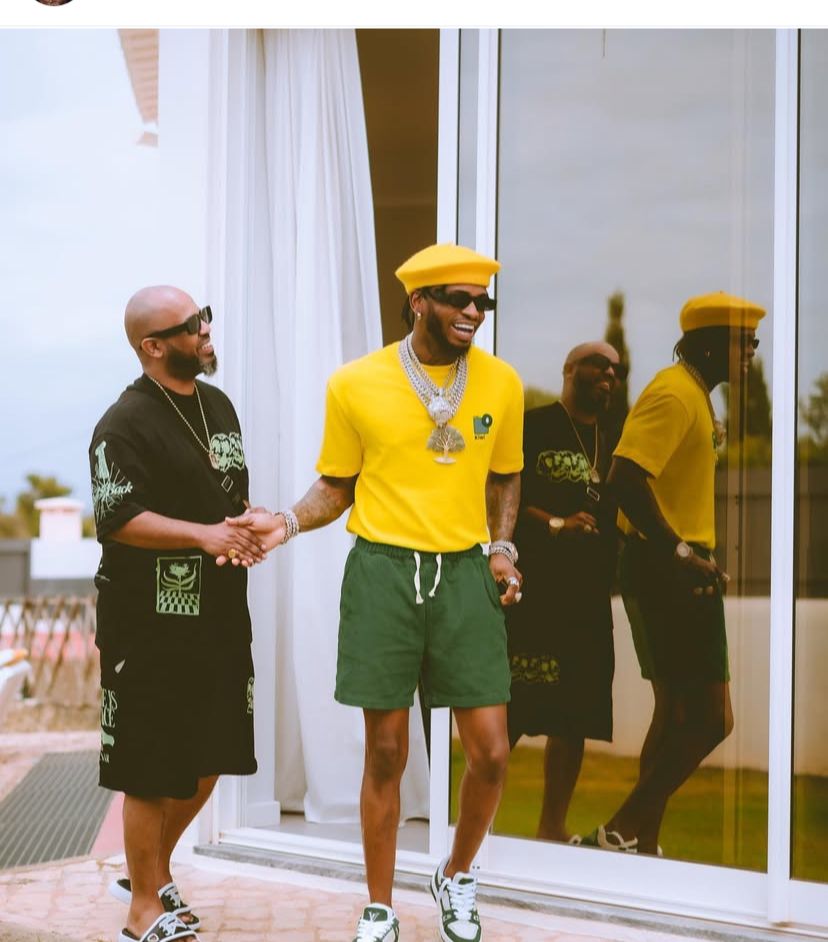
For more than a decade, record labels have been the heartbeat of Tanzanian music.
Long before TikTok virality, before independent uploads on streaming platforms, and before artistes branded themselves as solo entrepreneurs, labels were the lifelines.
They provided structure for young musicians who had talent but no clear direction; they offered studios, management, marketing muscle, and the powerful machine needed to push a song beyond a neighbourhood to an entire nation.
Tanzania’s biggest stars, the ones now filling arenas across East Africa, were shaped, launched, or polished by labels that understood how to mould raw potential into marketable brilliance.
Below are six of the most influential labels: how they started, how they evolved, who they signed, and how their journeys shaped the modern Bongo Flava landscape.
WCB Wasafi
When Diamond Platnumz formalised WCB Wasafi in early 2016, he constructed what later became a music ecosystem in the Swahili-speaking nation.
Based in Mbezi Beach, the Wasafi studios quickly became a place where young musicians queued for a chance at stardom.
WCB offered something no other label in Tanzania had at the time: a complete machine. From in-house producers to video directors, brand managers, stylists and publicists, Wasafi Industrialised the process of creating a music star.

Harmonize, signed in 2015 even before the label’s official registration, became the first proof that the system worked.
His debut hit “Aiyola” and subsequent singles established the Wasafi sound as clean, polished, high-budget and globally ambitious.
Rayvanny joined soon after, releasing “Kwetu,” which became one of the most important Bongo Flava breakouts of the decade.
WCB went on to sign Mbosso, Lava Lava, Queen Darleen, Zuchu, and later D Voice, each artiste benefiting from a structure that ensured consistent radio play, viral videos and heavy rotation across East Africa.
As WCB grew, Diamond forged global partnerships, most notably with Warner Music and Ziiki Media, propelling Wasafi content into global playlists.
Konde Music Worldwide
When Harmonize walked away from WCB, he made one of the boldest moves in Tanzanian music history, which was to launch Konde Music Worldwide. That was in September 2019.
His exit was dramatic and public, but it also became the blueprint for artistes seeking independence.
Konde Music was born out of the desire for creative freedom, ownership and financial control, and Harmonize positioned it as a home for musicians who didn’t want to be swallowed by the massive structure of a giant label.

Konde Music quickly built momentum, signing Ibraah, Country Boy, Killy and Cheed. For a while, the label looked like the next big powerhouse, with a unique identity built around Harmonize’s energetic brand and experimental sound.
Ibraah became the breakout act under Konde, delivering hits that proved the label was more than Harmonize’s personal platform.
Next Level Music [NLM]
Rayvanny’s launch of Next Level Music in March 2021 was both a symbolic and strategic move. Like Harmonize, he was a product of WCB’s powerful machine. And like Harmonize, he wanted a platform he could shape, one that carried his influence, his vision and his sound.
But unlike many breakaway stories, Rayvanny didn’t frame Next Level Music as a rebellion. Instead, he positioned it as an expansion, a new chapter where he could both remain a major artiste and become a builder of other musicians.
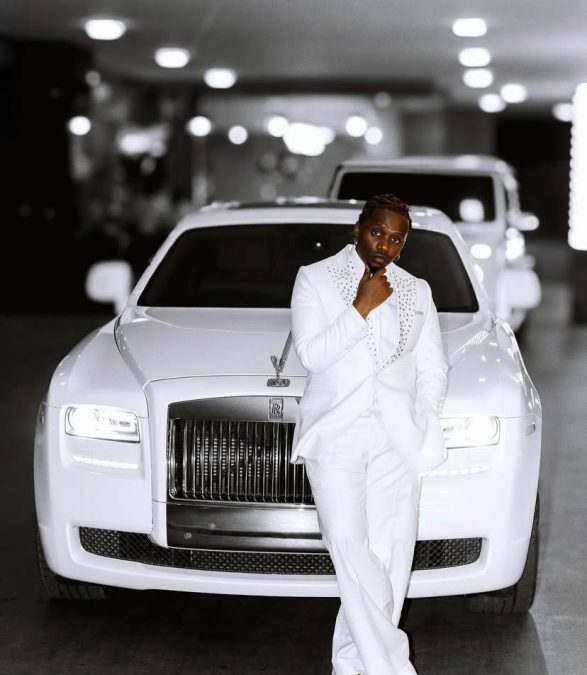
Next Level Music opened with promised state-of-the-art studios and a clear plan to nurture new talent. Rayvanny used his global collaborations, from performances with international acts to East African chart dominance, to raise the label’s profile. Though smaller than WCB or Konde, NLM has become one of the most promising artiste-driven labels in Tanzania.
Kings Music Label
Long before the Wasafi wave took over the scene, Ali Kiba had already established himself as one of Tanzania’s most respected musicians.
When he founded Kings Music, he envisioned a label that countered the emerging Wasafi dominance. Kings Music became the home of artistes looking for a calmer, less commercial, more musically mature environment.
The label signed artistes like Abdu Kiba, Killy (before he later moved to Konde), and Cheed. With a sound rooted in melody, romance and traditional Bongo Flava structure, Kings Music offered an alternative identity to the hyper-modern, dance-driven Wasafi sound.
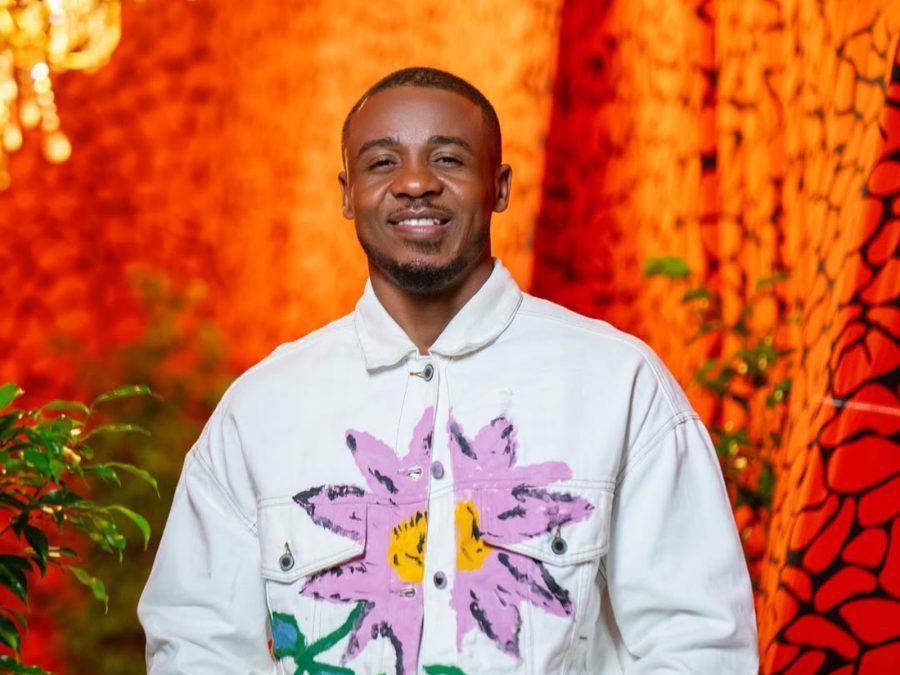
Ali Kiba’s approach was more selective, signing fewer artistes but promising to prioritise artistry over industry speed.
The African Princess Label
The African Princess label emerged as one of Tanzania’s most important female-focused music platforms.
The label was widely associated with Nandy, one of Tanzania’s most successful female artistes, and is believed to have been shaped and driven by the same management team that helped discover and polish her, including long-time manager The African Princess Management (formerly Epic Records Tanzania), which positioned itself as a home for strong female branding.
Nandy became the flagship artiste of the label, earning the nickname “The African Princess,” which later evolved into a full brand identity.
Under this label, she rose from a talented contestant in Tecno Own the Stage to a continental force with hits like ‘One Day’, ‘Ninogeshe’, and ‘Acha Lizame’. The label invested in modern studios, high-end video production and strong regional marketing, enabling Nandy to build a loyal East African audience.
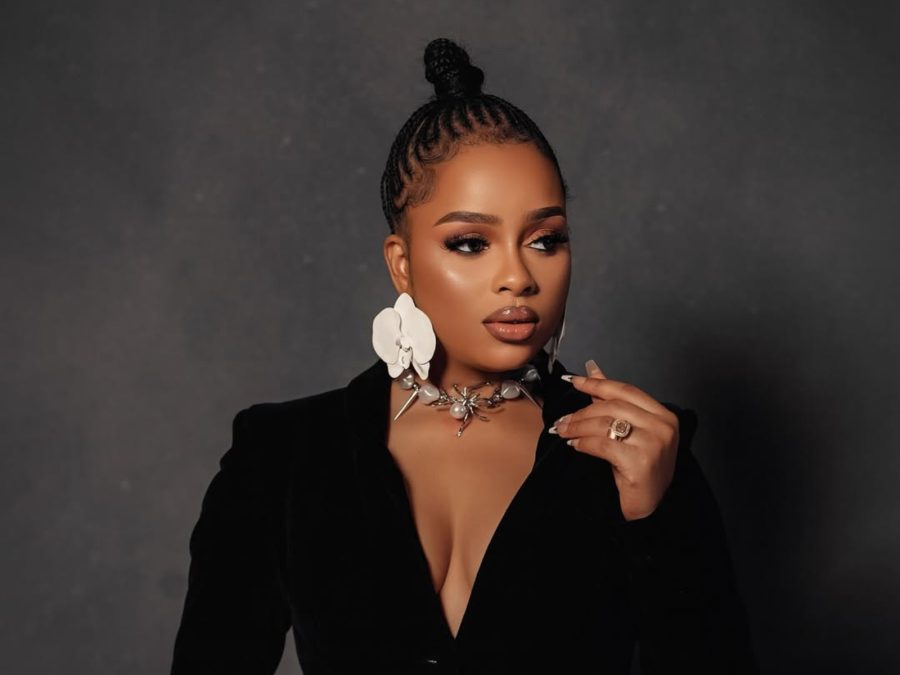
Over the years, The African Princess label also worked with or supported other rising female musicians, offering collaborations and mentorship. While Nandy remained its biggest star, the label’s broader vision was to create a pipeline for more women to thrive in Bongo Flava and Afro-pop, where female artistes had historically struggled to receive equal support.
High Table Sound
High Table Sound was founded by celebrated Tanzanian singer and songwriter Barnaba Classic, one of the most respected vocalists and composers in the Bongo Flava industry.
After years of shaping other artistes behind the scenes and working with major studios, Barnaba launched High Table Sound with a mission to build a platform for raw, authentic, street-sourced talent that often struggled to find a home in more polished mainstream labels.
The label quickly became associated with artistes who represented the sound and energy of Dar es Salaam’s inner-city neighbourhoods.
Barnaba signed and incubated talents such as Tunda Man, Gento Navan, and Bruce Africa, giving them the studio access, mentorship and industry exposure needed to break through the intense competition of Tanzania’s urban music scene. High Table Sound developed a reputation for being one of the first stops for young artistes with potential but no industry connections.
Beyond simply signing artistes, Barnaba used High Table Sound as a creative centre where producers, songwriters and vocalists could collaborate freely.
Many popular street anthems and experimental Bongo Flava tracks were born in its studios. The label also became known for live vocal coaching sessions led personally by Barnaba, whose reputation as one of Tanzania’s best vocalists added credibility to the brand.
Author
Steve Ireri
Steve is a senior writer with over four years of experience in digital journalism. His focus is on the showbiz and human interest stories. Emails: [email protected] , [email protected]
View all posts by Steve Ireri