Advertisement
Why muscle soreness often peaks 2 days after exercise
18th August, 2026 07:52 AM
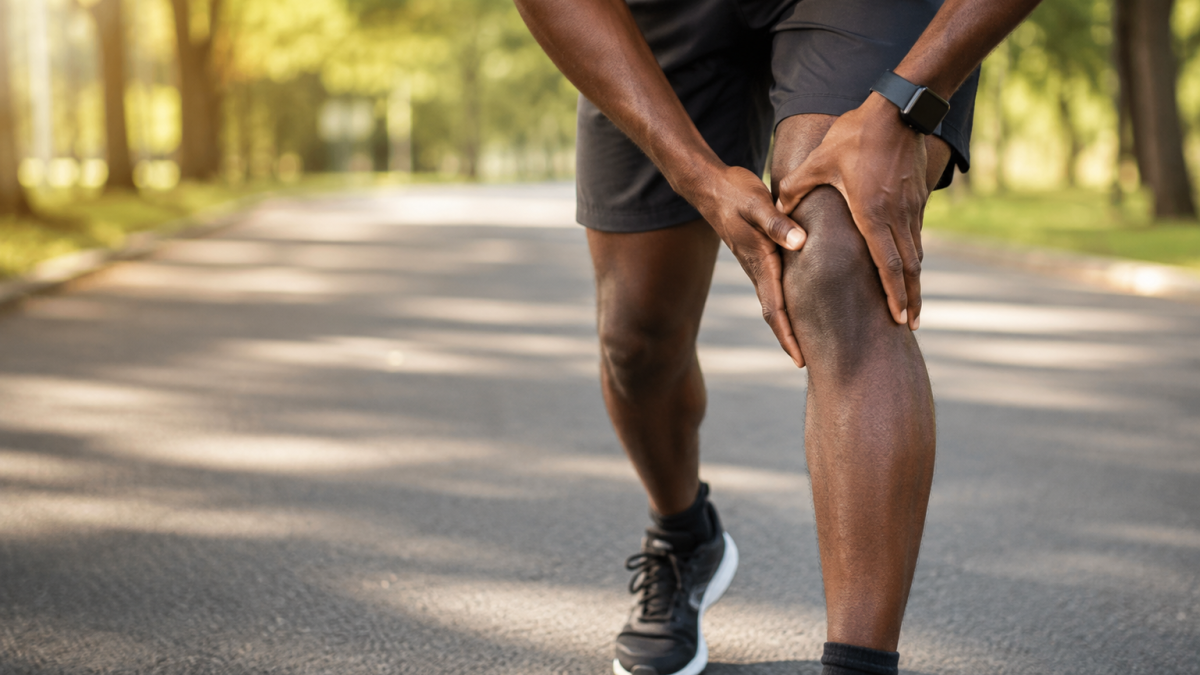
You had a great workout on Monday. By Tuesday, you were a little stiff. By Wednesday, your thighs had apparently filed for resignation.
That delayed soreness after exercise is common and is called delayed-onset muscle soreness (DOMS). It often appears hours after a workout and can become more noticeable one to three days later. It is especially common when you try a new exercise, increase the intensity of your routine or work muscles that have been taking an extended holiday.
What causes the soreness?
When you exercise, your muscles are placed under stress. Some movements, particularly exercises in which muscles work while lengthening, can cause small amounts of damage to muscle fibres.
Your body then gets to work repairing and adapting those muscles. The process can cause temporary inflammation, which is partly responsible for the tenderness and stiffness you feel afterwards.
This is why you might finish a workout feeling perfectly normal, only to wake up the next day feeling as though you spent the night moving furniture.
DOMS is particularly common after activities such as squats, lunges, running downhill, weightlifting and other exercises that your body is not accustomed to.
Why does it sometimes hurt more on the second day?
The delayed nature of DOMS is what makes it so confusing.
If you strain a muscle during exercise, you may feel pain immediately. DOMS is different because the discomfort develops gradually as your body responds to the physical stress from the workout.
For many people, soreness starts becoming noticeable within about 12 to 24 hours and may be strongest between 24 and 72 hours after exercise. It then gradually settles as the muscles recover.
So if you exercised on Monday and Wednesday morning feels like your legs have turned against you, there is usually a perfectly ordinary explanation.
Five ways to manage workout soreness
Keep your body moving
Complete bed rest may sound attractive when your legs are aching, but gentle movement can help with stiffness.
Take a slow walk, stretch lightly or simply keep up with normal daily activities. You do not need another intense workout. The goal is to get your body moving without placing more stress on the sore muscles.
Even a short walk around the neighbourhood can feel better than spending the entire day curled up on the sofa.
Give the muscles a break
You do not have to train the same muscles every day.
If your legs are sore after a tough lower-body workout, allow them time to recover before doing another demanding leg session. You can rest completely or choose a gentler activity that works a different part of the body.
Recovery is not wasted time. Your muscles need it to repair and adapt.
Drink enough water
Good hydration supports the body’s normal recovery processes. It is particularly important after workouts where you lose a lot of fluid through sweating.
Keep drinking water throughout the day rather than trying to make up for everything at bedtime.
Water will not perform a miracle and make your sore thighs disappear in five minutes, but staying hydrated is still part of looking after your body.
Eat a proper meal
Your body needs energy and nutrients to recover from exercise.
Include protein-rich foods such as eggs, beans, yoghurt, milk, fish, chicken or meat, alongside carbohydrates, vegetables and fruits. A balanced diet can support muscle repair and help you recover between workouts.
You also do not need to panic-buy every fitness supplement advertised on social media. Good ordinary food remains very useful.
Do not increase everything at once
If you are returning to exercise after a long break, resist the urge to make up for lost time in one afternoon.
Increase your workouts gradually. You can slowly add more weight, repetitions, distance or time as your body becomes fitter.
Doing too much too soon can leave you excessively sore and make you so uncomfortable that you do not want to exercise again.
Consistency will take you further than one heroic workout followed by three days of regret.