Advertisement
Blood Moon: How different African cultures interpret lunar eclipse
08th September, 2025 03:15 PM

Across Africa, the night sky has always carried deep meaning, shaping traditions, myths, and spiritual practices.
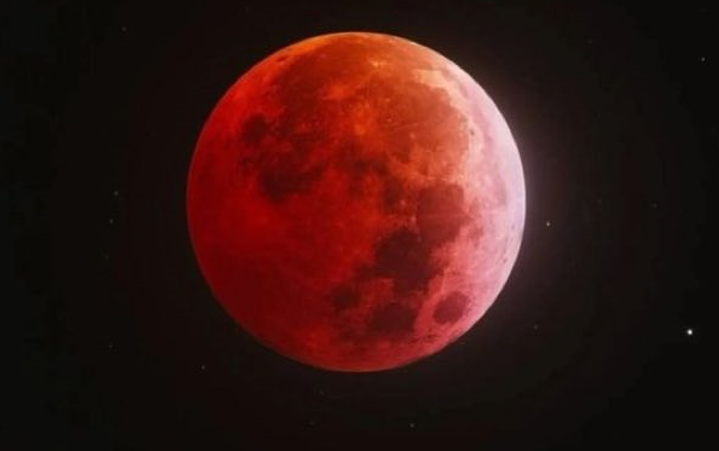
Among many communities, eclipses were not just astronomical events, but powerful cosmic signs that influenced daily life. With the recent lunar eclipse sparking curiosity across the continent, it is worth revisiting how different African cultures interpret such celestial phenomena.
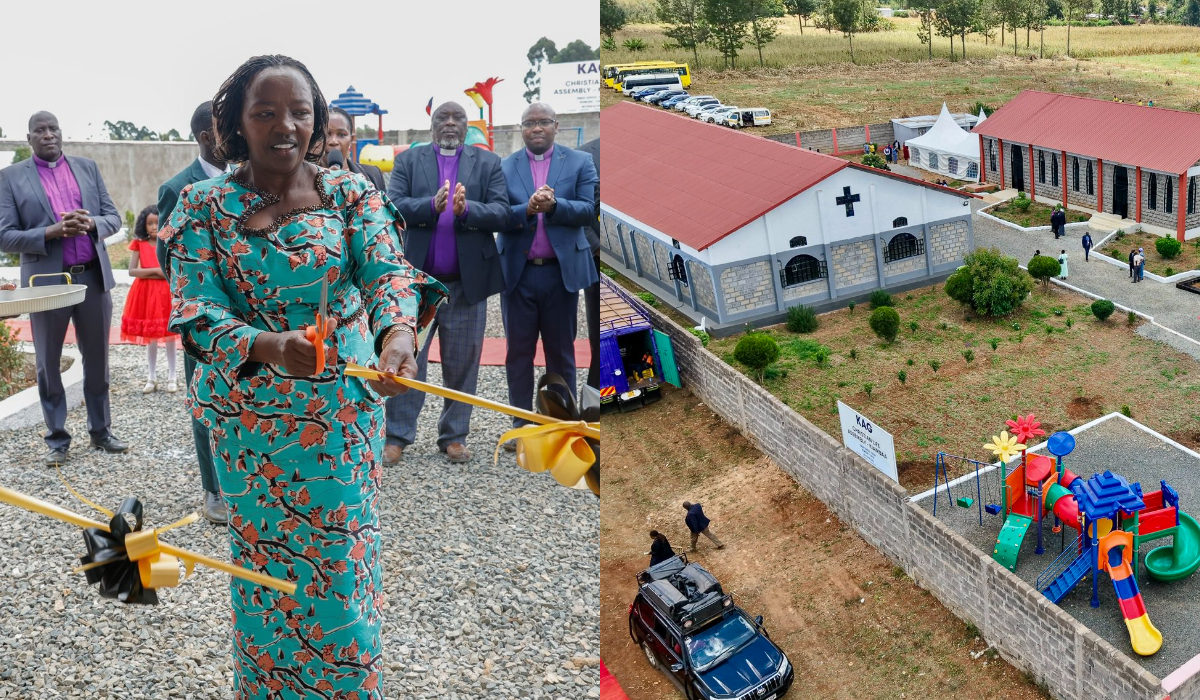
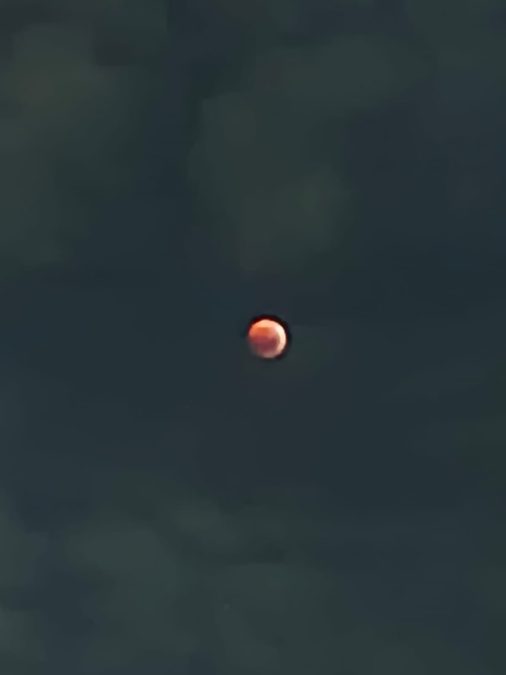
Elsewhere, Githunguri Member of Parliament Gathoni Wamuchomba described the rare Blood Moon that lit up Kenya’s skies on Sunday night, September 7, 2025, as a symbol of new beginnings
The Maasai of East Africa
For the Maasai of East Africa, a lunar eclipse is often seen as a form of cosmic warfare. The moon, a symbol of light and protection, appears to be attacked or consumed during the eclipse. Traditionally, the Maasai believed this was a battle between good and evil spirits, a moment when balance in the universe was under threat.
To protect themselves and their community, Maasai elders would lead ceremonies that included prayers, chants, and symbolic acts to restore harmony. The eclipse, therefore, was not only a frightening omen but also a reminder of the Maasai’s close connection to the spiritual world and their responsibility to intervene through ritual.
The Bakongo of Central Africa
For the Bakongo people of Central Africa, a lunar eclipse was seen as a sacred and liminal moment when the boundary between the living and the spirit world became thin. They believed the darkened moon created a channel through which the spirits of the dead could communicate with the living.
Rather than viewing the eclipse solely as a time of fear or cosmic battle, the Bakongo understood it as an opportunity to connect with ancestors. During such moments, rituals and communal gatherings were often held to honour the dead, seek guidance, and ensure harmony between both worlds.
The Bambara of Mali
For the Bambara people of Mali, a lunar eclipse was more than just a natural phenomenon — it was a moment when hidden truths could be revealed. They believed that the darkened moon had the power to expose secrets and offer glimpses into the future.
During these rare events, elders in the community played a central role. They would carefully observe the eclipse, interpret its meaning, and provide guidance to the people. Their insights often touched on matters of destiny, communal well-being, and the challenges that lay ahead.
The Samburu of Kenya
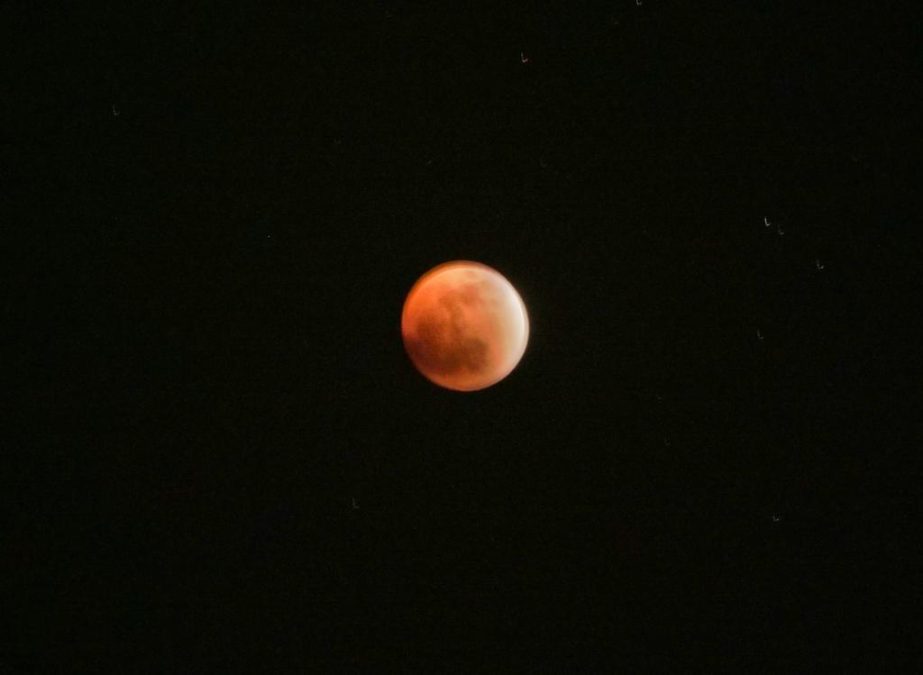
In northern Kenya, the Samburu people, closely related to the Maasai, have their own interpretation of lunar eclipses. Traditionally, a red moon—such as during a total lunar eclipse—was associated with death, war, or widespread hunger. It was considered a time of warning, when communities needed to be cautious and prepared for hardship.
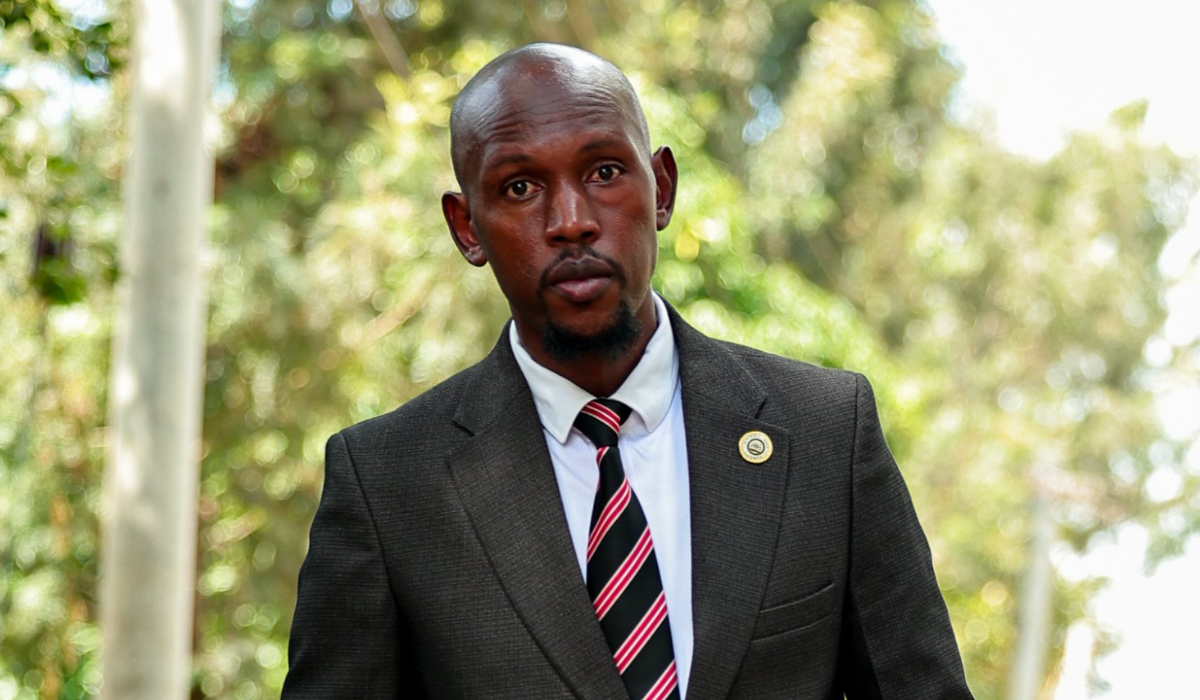
Yet, as Samburu Governor Jonathan Lati Lelelit explained after the blood moon of September 7, 2025, eclipses also reflect the Samburu’s enduring relationship with the heavens. For generations, Samburu communities have studied the stars to predict rainfall and guide pastoral life.
“There is a lot of star reading in Samburu, and one of the good stories is that the Samburu people had a rope that was tied to planet Venus, where Samburus would use and go to the sky and ask God for what they want,” he said.
From warfare to renewal, omens to cosmic bonds, African cultures interpret the lunar eclipse through rich symbolic traditions. Even as modern science explains the mechanics of the event, these beliefs highlight the deep ways in which people across the continent have long read the skies to understand life, death, and destiny.